The perilous Atlantic route connecting Senegal to Spain's Canary Islands remains a critical humanitarian and geopolitical challenge, marked by significant loss of life two decades after a major migration surge. Data from 2024 indicates that more than 10,000 individuals died or went missing along this corridor, surpassing the fatalities recorded during the 2006 exodus, according to reports.
The primary challenge facing authorities and families is the anonymity of the deceased, as shipwreck victims are seldom formally identified due to insufficient resources and political will. Bodies recovered in Senegal are frequently interred in mass graves, preventing families from completing necessary mourning rituals and formal closure.
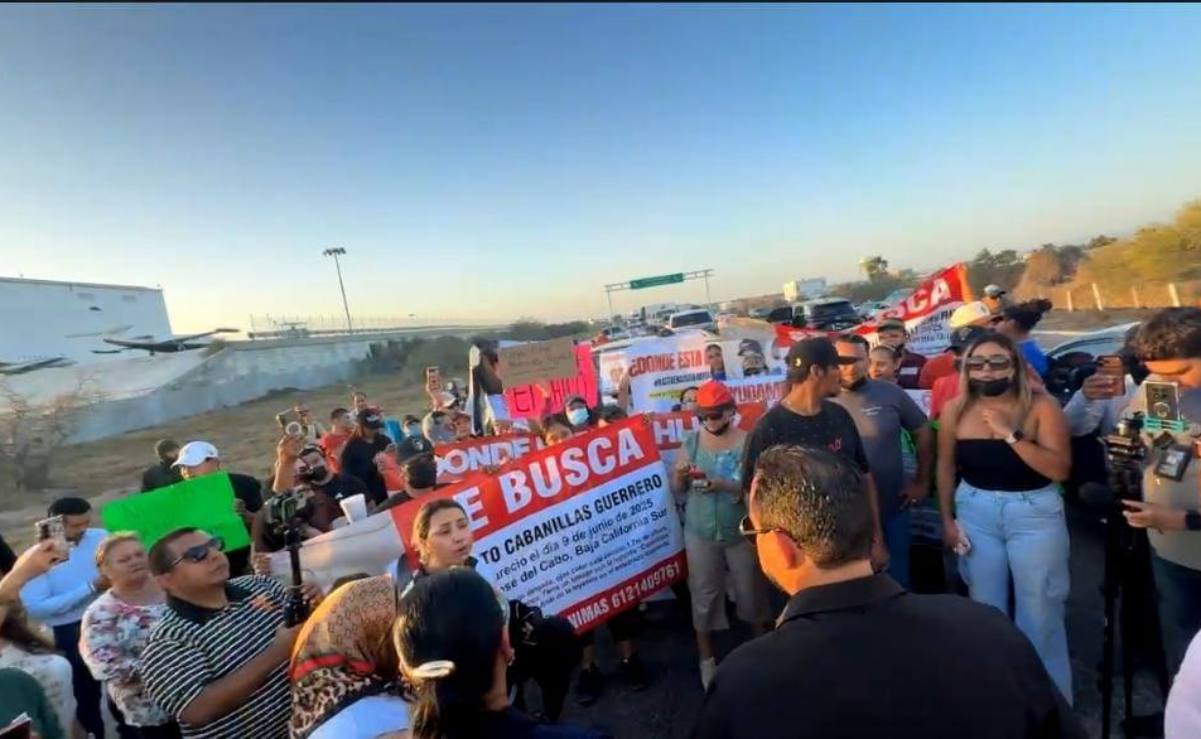
Associations and relatives are now actively campaigning both on the ground and via digital platforms to assign names to these migrants. This grassroots effort seeks to counter the systemic failure to account for the victims of these often-unreported maritime tragedies.
During the 2006 crisis, migrants often invoked the slogan 'Barça ou barsaax'—'Barcelona or death'—a phrase that tragically materialized for thousands lost at sea. The resurgence in fatality numbers confirms the route's enduring danger despite increased border surveillance across the region.
This lack of official documentation has significant economic and social consequences for the home communities in West Africa, where remittances cease and social stability is affected by the missing population segment.
The mobilization highlights a growing demand for international cooperation to establish standardized identification protocols for maritime migrant disappearances. Such protocols are essential for humanitarian accountability in high-fatality migration corridors.
As maritime traffic continues, the pressure mounts on regional governments, particularly Senegal, to address the root causes of irregular migration while improving mechanisms for handling the aftermath of these dangerous crossings.
What comes next involves whether these local identification drives can compel broader policy changes regarding the documentation and repatriation of remains from the Atlantic.