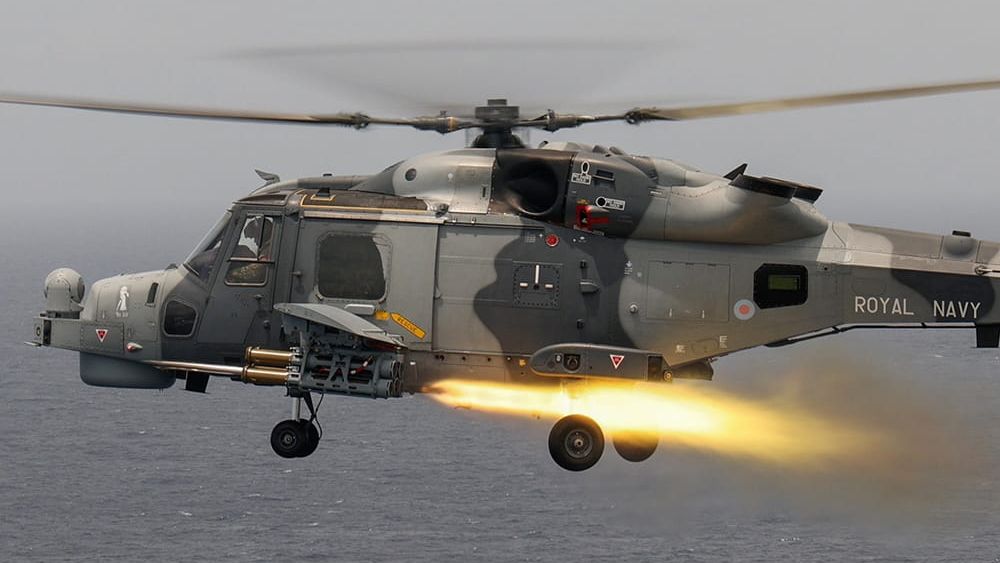
A Russian cargo vessel was escorted out of UK territorial waters by a Royal Navy attack helicopter this week after loitering near five transatlantic undersea data cables, according to reports from The Telegraph. The vessel, identified as the Sinegorsk, anchored on Tuesday evening and remained in position until the following afternoon before military intervention prompted its departure. This event highlights the increasing vulnerability and strategic importance of the physical infrastructure underpinning global digital communications.
The vessel positioned itself less than three-quarters of a mile from five subsea cables that facilitate significant data transfer between the United Kingdom, Continental Europe, Canada, and the United States. Two of these cables are integral components of the TGN Atlantic network, which directly connects the UK to New York, carrying substantial bandwidth capacity. The close proximity of a vessel linked to Russian naval headquarters raises immediate security concerns regarding reconnaissance or potential sabotage.
The UK Department for Transport stated that a formal warning was issued directing the Sinegorsk to depart, claiming the vessel entered the area to conduct essential safety repairs. However, the Ministry of Defence indicated heightened awareness regarding threats from Russia, specifically mentioning activities related to mapping undersea networks belonging to the UK and its allies. The Royal Navy confirmed continuous monitoring of these critical assets.
This incident follows previous reports in September detailing surveillance activities by a Russian vessel mapping undersea cables along Europe's Atlantic coast, suggesting potential efforts to intercept allied communications rather than mere physical disruption. Shadow security minister Alicia Kearns described the movements as "deeply suspicious," framing the event as evidence of persistent threats emanating from Moscow.
The Royal Navy’s response involved dispatching a single Wildcat helicopter from Yeovilton naval air station to enforce compliance, which reportedly proved sufficient to move the vessel without incident or damage to the cables. No sabotage or damage was reported in the ship’s wake following its departure from the sensitive maritime zone.
The broader context involves heightened global awareness of undersea cable security, particularly following documented incidents of cable severances in other vital international waterways, such as the Baltic Sea in recent years. The integrity of these fibre optic routes is foundational to international finance, commerce, and military communications.
As digital connectivity increasingly defines geopolitical power, incidents such as this underscore a new domain of strategic competition beneath the ocean surface. Nations are rapidly increasing vigilance and defensive postures to protect these multi-terabit per second lifelines from adversarial mapping or disruption.
What comes next will likely involve increased aerial and naval patrols in common cable corridors near NATO coastlines, reflecting a tangible operationalization of the recognized threat to critical underwater assets.