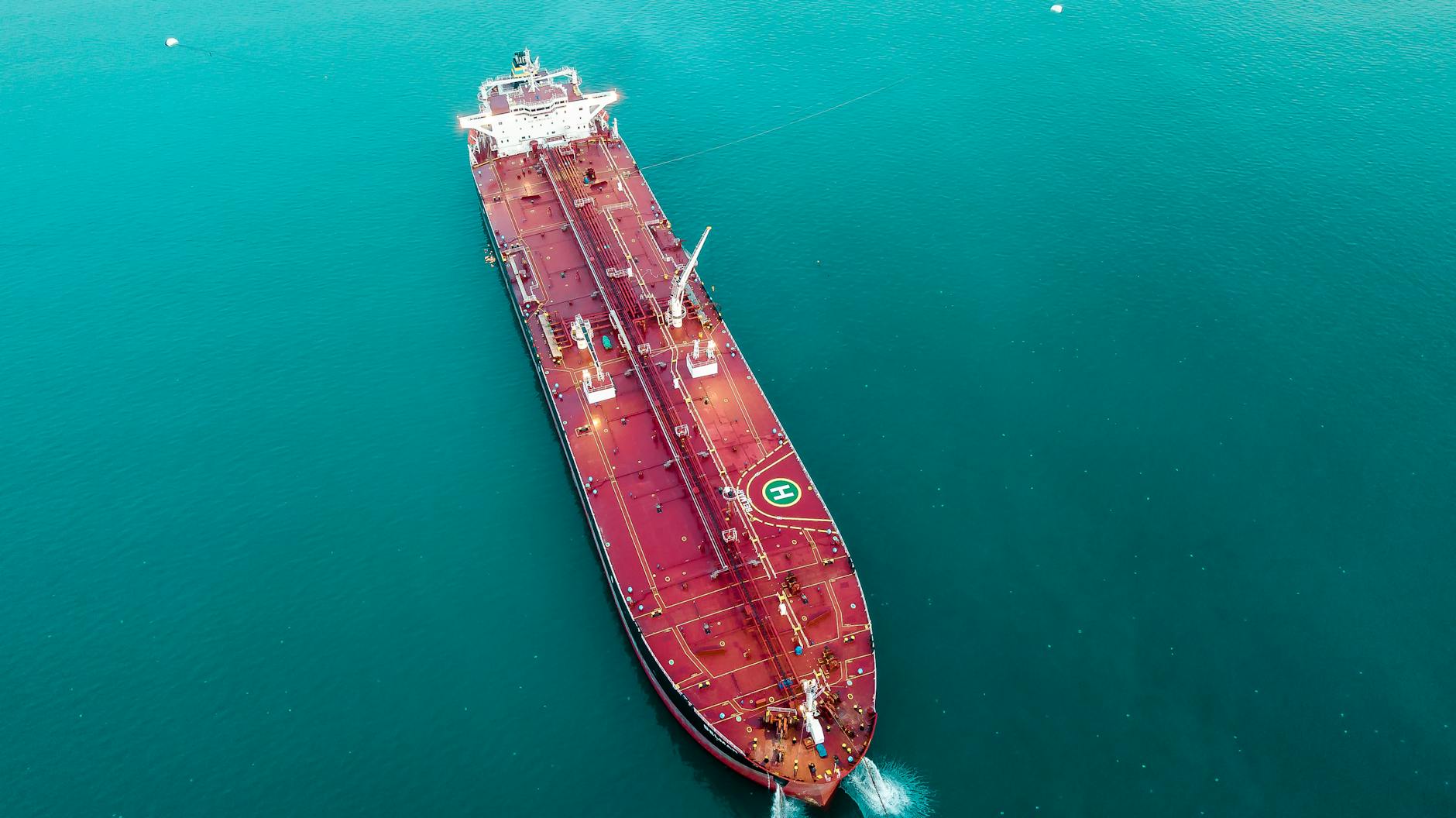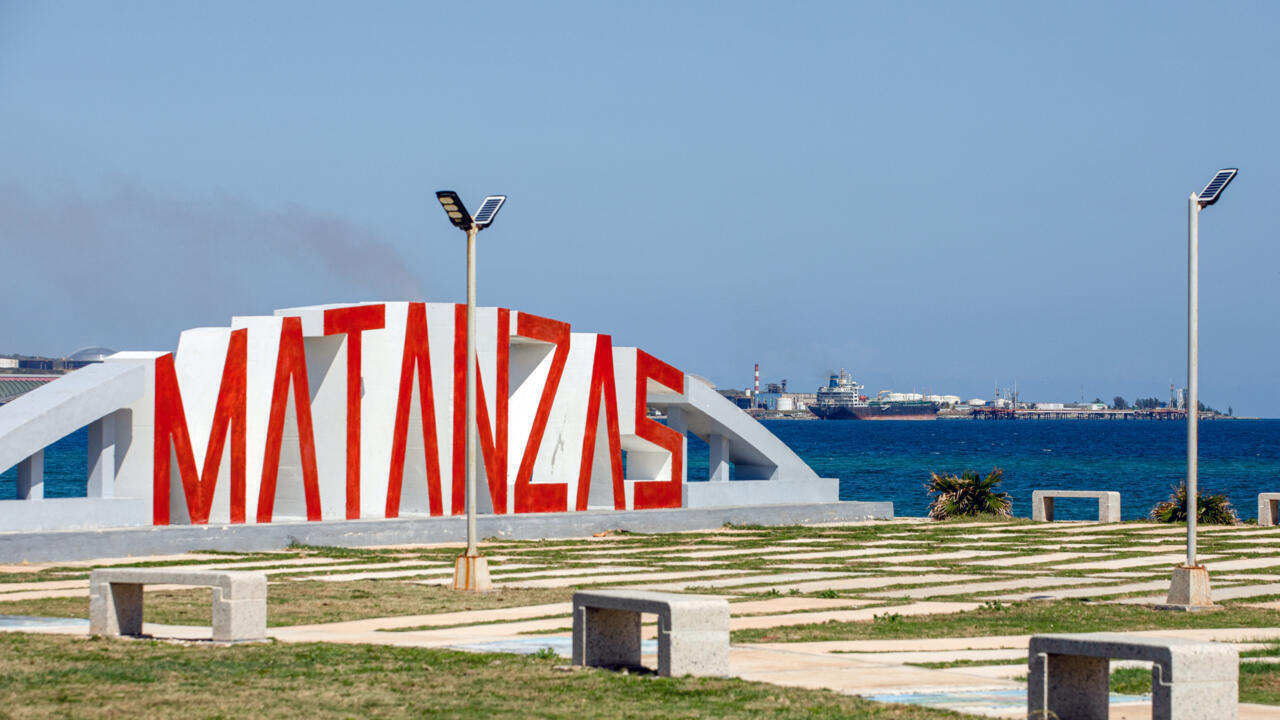
A Russian oil tanker carrying 730000 barrels of crude arrived in Cuba on Monday, marking a significant breach of a de facto United States fuel blockade. The Kremlin confirmed the arrival of the Anatoly Kolodkin at the port of Matanzas on March 30, despite heightened political pressure from the Trump administration. This shipment offers temporary relief to a Caribbean nation grappling with severe energy shortages and economic instability following the loss of Venezuelan aid.
President Donald Trump acknowledged the delivery on Sunday but dismissed its strategic impact, stating the cargo would not alter Cuba's trajectory. He remarked that the island faces imminent failure regardless of external fuel support, citing corruption within the current leadership during a flight back to Washington. His comments suggest a shift from direct prohibition to a strategy of economic suffocation through other means.
"Cuba's finished, they have a bad regime, and whether or not they get a boat of oil, it's not going to matter," Trump said.
Regional Energy Crisis
Cuba has endured multiple nationwide blackouts since 2024, prompting President Miguel Diaz-Canel to warn of resistance against external aggressors. The island lost its main regional ally and oil supplier in January when US forces captured Venezuela's socialist leader. Fuel prices have soared while public transport operations have dwindled significantly due to the lack of refined products. Emergency rationing measures remain in place to conserve remaining resources for critical infrastructure.
Jorge Pinon, an expert on Cuba's energy sector at the University of Texas at Austin, estimates the crude could yield 250000 barrels of diesel. This volume would cover the country's demand for approximately 12.5 days, according to processing timelines provided by industry analysts. Pinon noted the government would need to prioritize either electricity generation or transportation to keep the economy functioning during the crisis. Pinon, a former oil executive, emphasized that the urgent need is diesel for generators. He warned that failure to allocate fuel correctly could lead to renewed blackouts.
Another ship reportedly carrying Russian diesel rerouted to Venezuela earlier this week, indicating shifting logistics in the region. The Sea Horse was redirected to avoid potential US scrutiny while the Anatoly Kolodkin proceeded to Cuba. The processing of the current cargo will take 15 to 20 days before refined products can be distributed to consumers. Continued monitoring is required to assess whether this shipment alters the long-term energy equation in the Caribbean.
Geopolitical Implications
The New York Times reported that US Coast Guard officials allowed the tanker to reach its destination without interception. The Coast Guard did not attempt to intercept the vessel despite its sanctioned status. This decision contrasts with earlier threats of tariffs and potential intervention against the communist government. Analysts suggest Washington is balancing humanitarian concerns with broader pressure tactics aimed at the regime. This lack of enforcement complicates the US leverage in the region.
The arrival underscores the complex interplay between regional alliances and US foreign policy objectives in Latin America. While the fuel provides immediate relief, the broader economic outlook for Havana remains precarious under current sanctions. International observers will watch closely for further shifts in Washington's approach to the island.