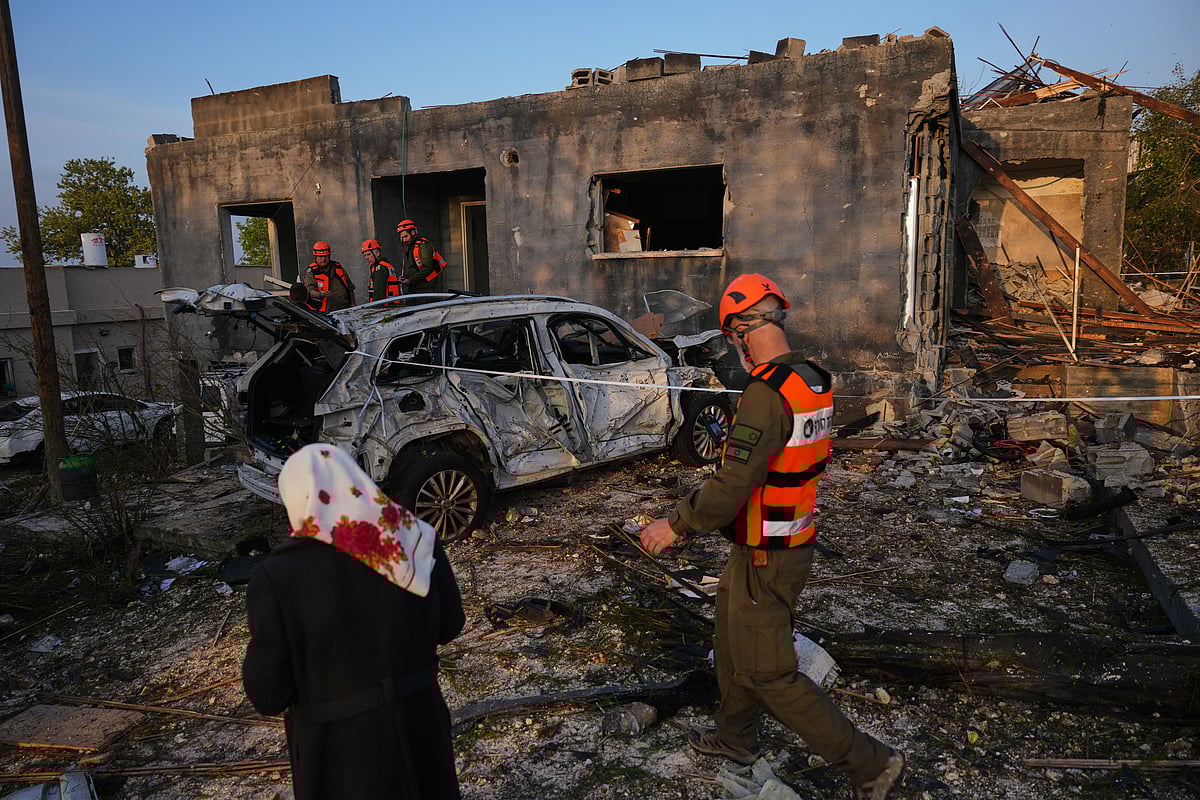
Russian military actions on Sunday resulted in significant civilian casualties across Ukraine's southeastern regions, according to reports from energy firms and government officials. The most severe incident involved a drone strike on a bus transporting miners in the Dnipropetrovsk region, which killed fifteen people and wounded seven others.
Energy company DTEK confirmed the fatalities among its personnel and cited government officials in reporting the incident on Sunday. This attack highlights the ongoing risk faced by critical infrastructure workers operating near contested front lines in the conflict zone.
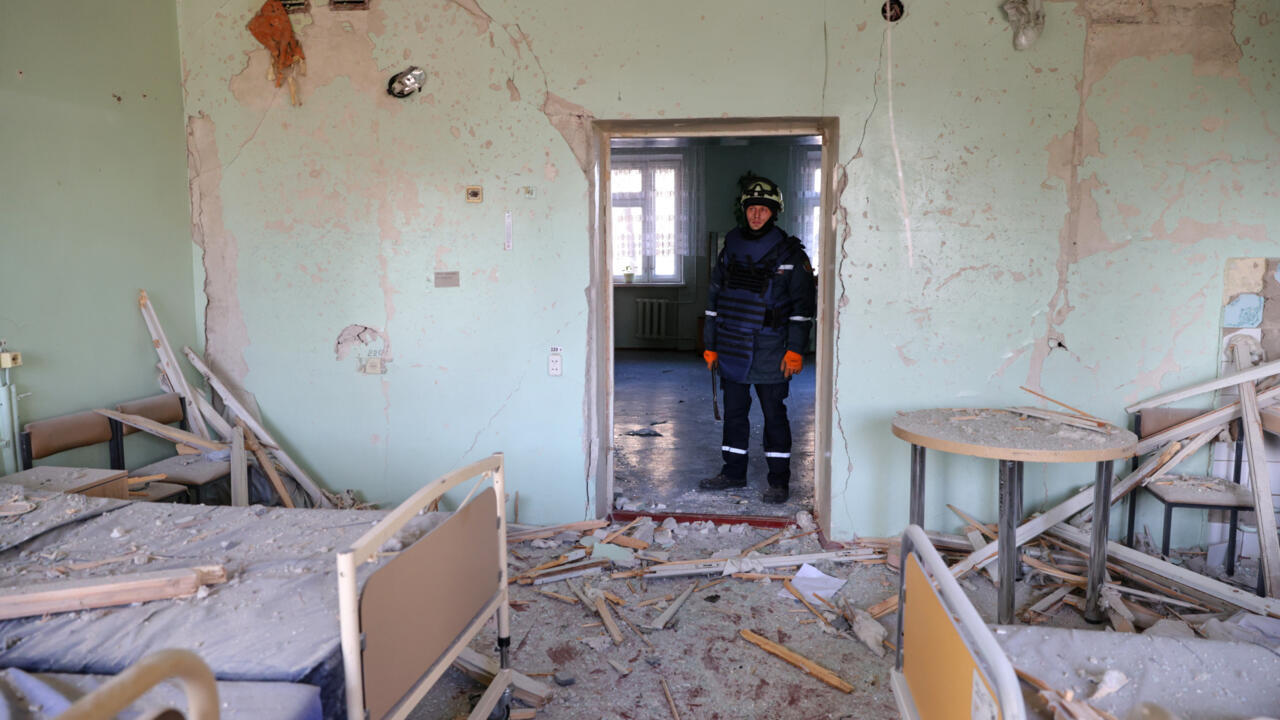
Earlier the same day, regional authorities in Zaporizhzhia confirmed separate Russian strikes targeting civilian infrastructure. These attacks impacted a maternity hospital and a nearby residential building, leading to injuries among at least nine people.
Details regarding the scale of damage and the status of the wounded in Zaporizhzhia were provided by regional officials. Correspondent Emmanuelle Chaze reported these developments from the Kharkiv area, confirming attacks on both energy sector workers and general populace.
The targeting of civilian areas, including medical facilities, often draws international condemnation regarding adherence to international humanitarian law. Such incidents influence diplomatic discussions concerning future aid and accountability mechanisms.
These coordinated strikes underscore a continued pattern of Russian military pressure across eastern and southern Ukrainian territories. The economic impact is compounded by risks imposed upon essential labor forces, such as those employed in the mining sector.
Future analysis will focus on the precise weaponry utilized in these strikes and the operational response by Ukrainian defense forces in the affected oblasts. The continued targeting of civilian and industrial assets shapes the immediate economic stability of the regions involved.