Russian oil exports are emerging as a primary economic beneficiary following the United States decision to temporarily ease sanctions on Tehran-linked energy flows. President Donald Trump announced the waiver on March 10 after speaking with Vladimir Putin to address shortages caused by Iran blocking the Strait of Hormuz. This strategic move allows Moscow to fill the supply gap created by the ongoing conflict between regional powers and their global allies.
The United States has granted waivers to specific nations to import Russian crude despite ongoing Western sanctions policies. This temporary relief aims to stabilize global markets while Gulf producers remain unable to ship standard volumes through the contested waterway. Analysts note that the waiver effectively positions Russian Urals grade as a critical swing supply during the blockade.
According to figures from the Centre for Research on Energy and Clean Air, Russia earned an additional 672 million euros in oil sales during the first two weeks of the war. The conflict officially began on February 28 when Israel and the United States launched strikes on Tehran. This revenue spike occurred even as Tehran lost senior officials in the initial military action.
Violence escalated this week when Israel bombed Iran’s critical South Pars gasfield and Tehran retaliated with missile strikes. Iranian forces targeted Gulf energy assets, including Qatar’s Ras Laffan Liquefied Natural Gas facility, which serves as the world’s largest LNG hub. These actions have further disrupted the flow of energy from the Persian Gulf to international markets.
Market data indicates that the average price of Urals oil has surged to around 90 dollars per barrel compared to pre-war levels below 60 dollars. Brent crude, the international benchmark, has risen to above 100 dollars a barrel since the closure of the strait. Some experts suggest a price of 200 dollars is no longer far-fetched if disruptions persist.
George Voloshin, an independent energy analyst based in Paris, told Al Jazeera that global refiners are desperate for alternative medium-sour crudes. He stated that Russia’s Urals grade specifically meets the needs of markets currently facing a massive supply vacuum. This demand has narrowed the historical discount gap between Russian and Brent oil significantly.
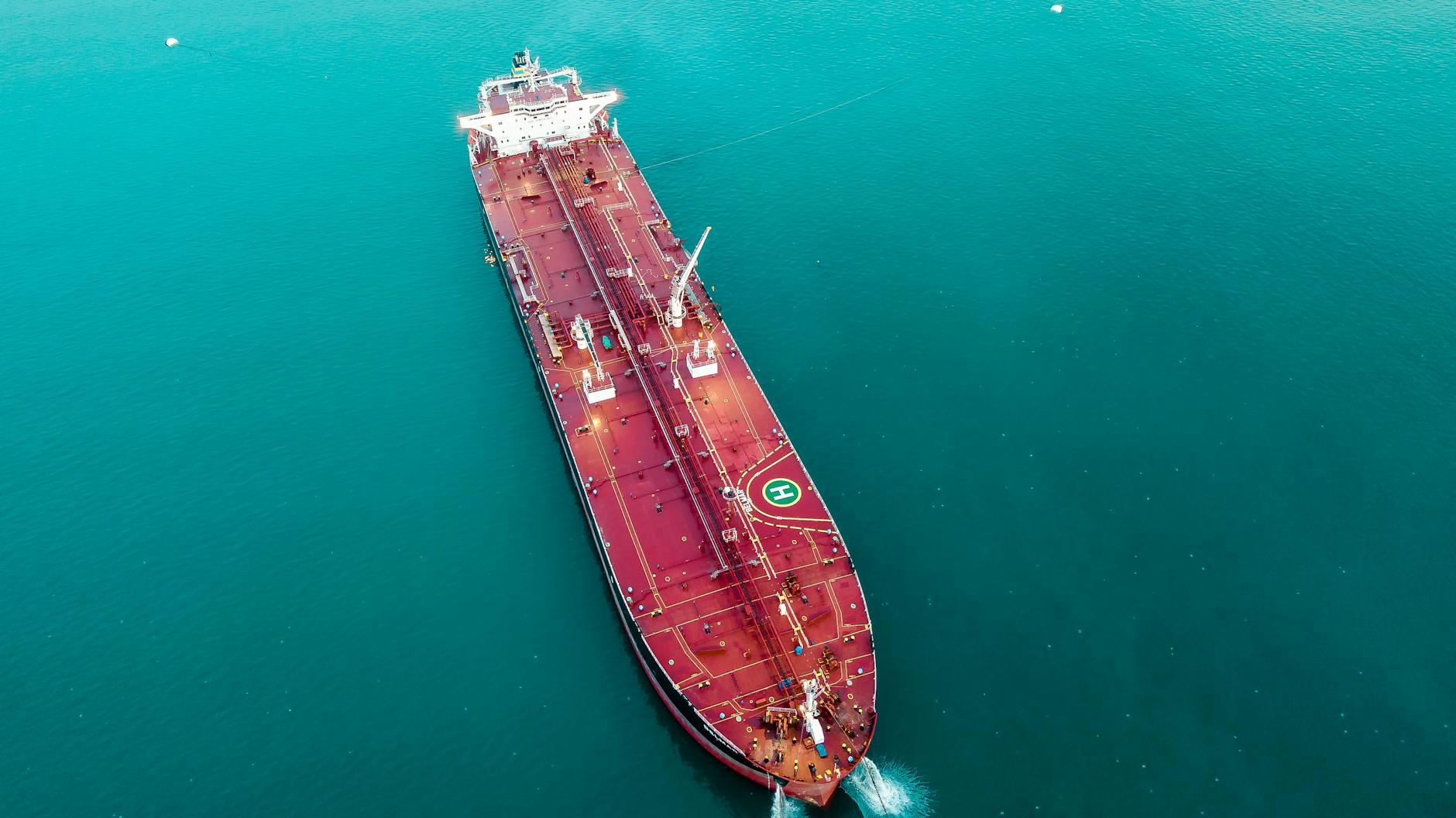
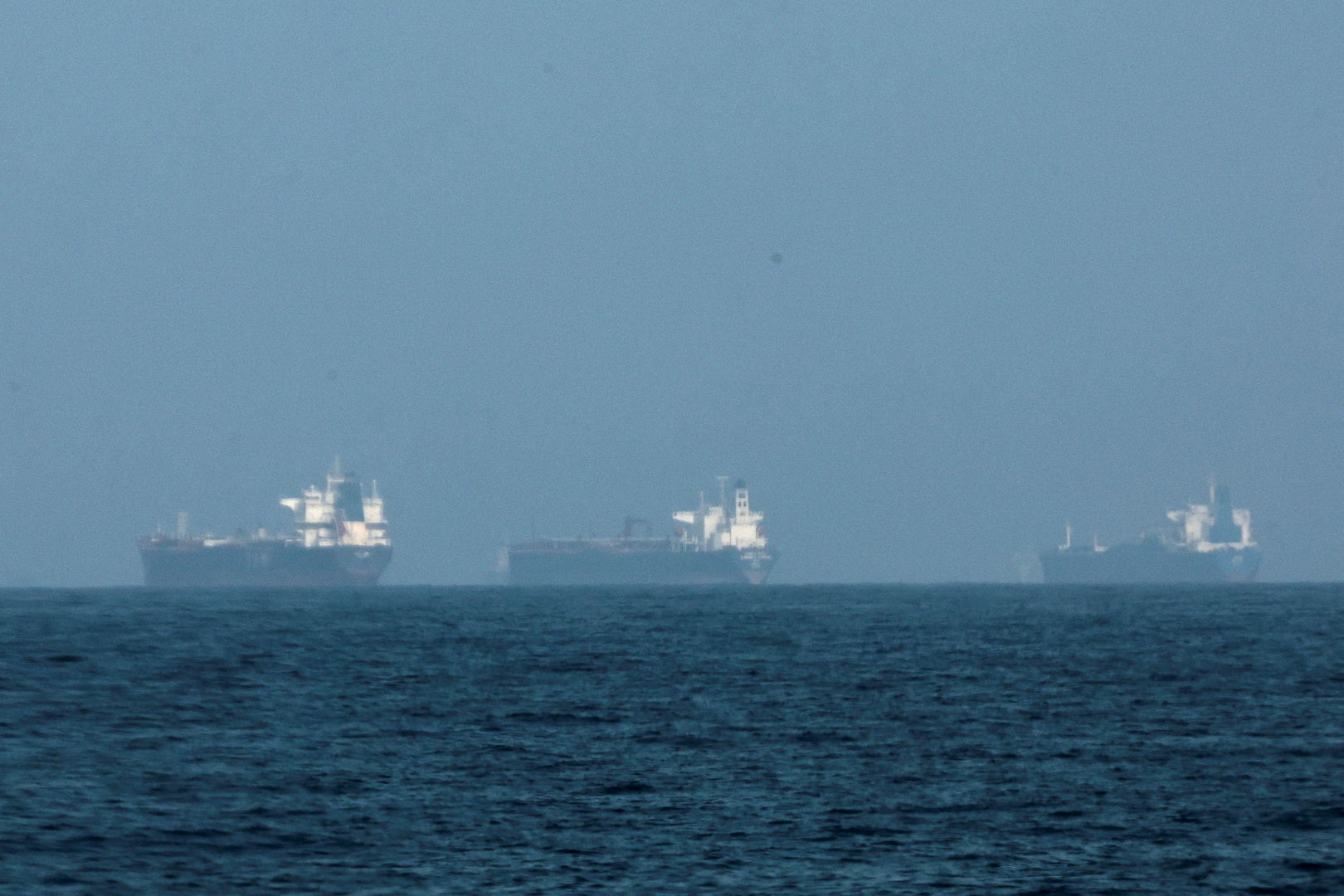
Bloomberg reported that at least seven tankers carrying Russian oil had changed course mid-voyage from China to India earlier this week. Data from Vortexa confirmed the logistical redirection driven by India’s aggressive pursuit of discounted distressed cargoes. Shippers cited increased risk and insurance costs associated with long-haul shipments to East Asia via contested waters.
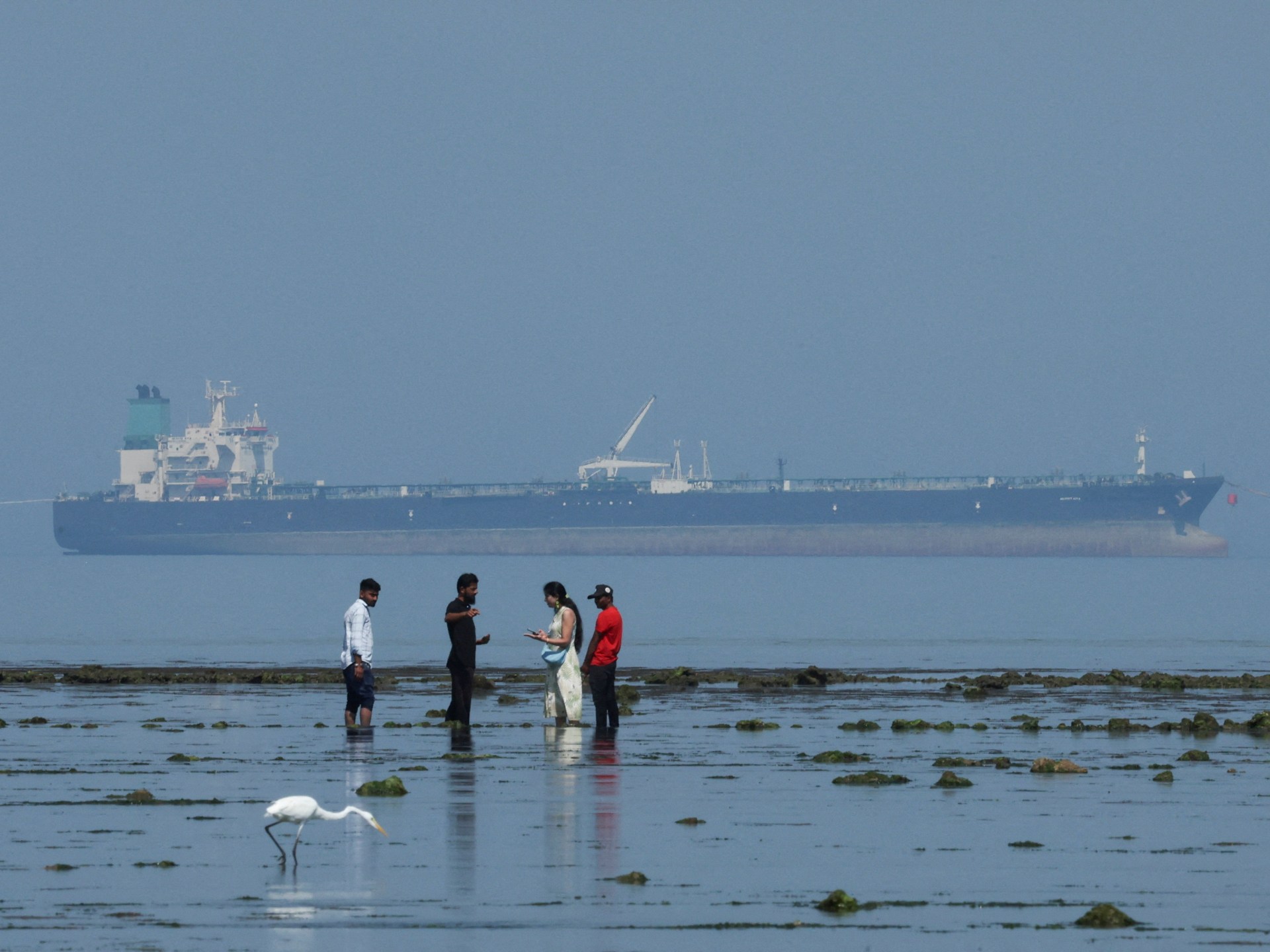
India was the first country to receive a time-limited exemption from the United States Treasury to import Russian oil that is already at sea. Indian media quoted Rakesh Kumar Sinha confirming that the Aqua Titan tanker is now expected to arrive at New Mangalore port. Mangalore Refinery and Petrochemicals Limited chartered the vessel to meet domestic demand.
The International Energy Agency states the closure of the Hormuz Strait has caused a shortage of eight million barrels of oil per day. Major importers like India may feel they have no choice but to continue buying Russian oil to prevent domestic economic collapse. Voloshin noted that buyers may demand much lower prices to compensate for increased legal and financial risks if sanctions return.
Norway and Canada are other major non-OPEC producers that could benefit depending on their capacity to increase production levels. Norway has signalled intent to maintain maximum gas and oil production to support European energy security. The United States is very likely to roll over current exemptions if there is nowhere else to readily source oil.