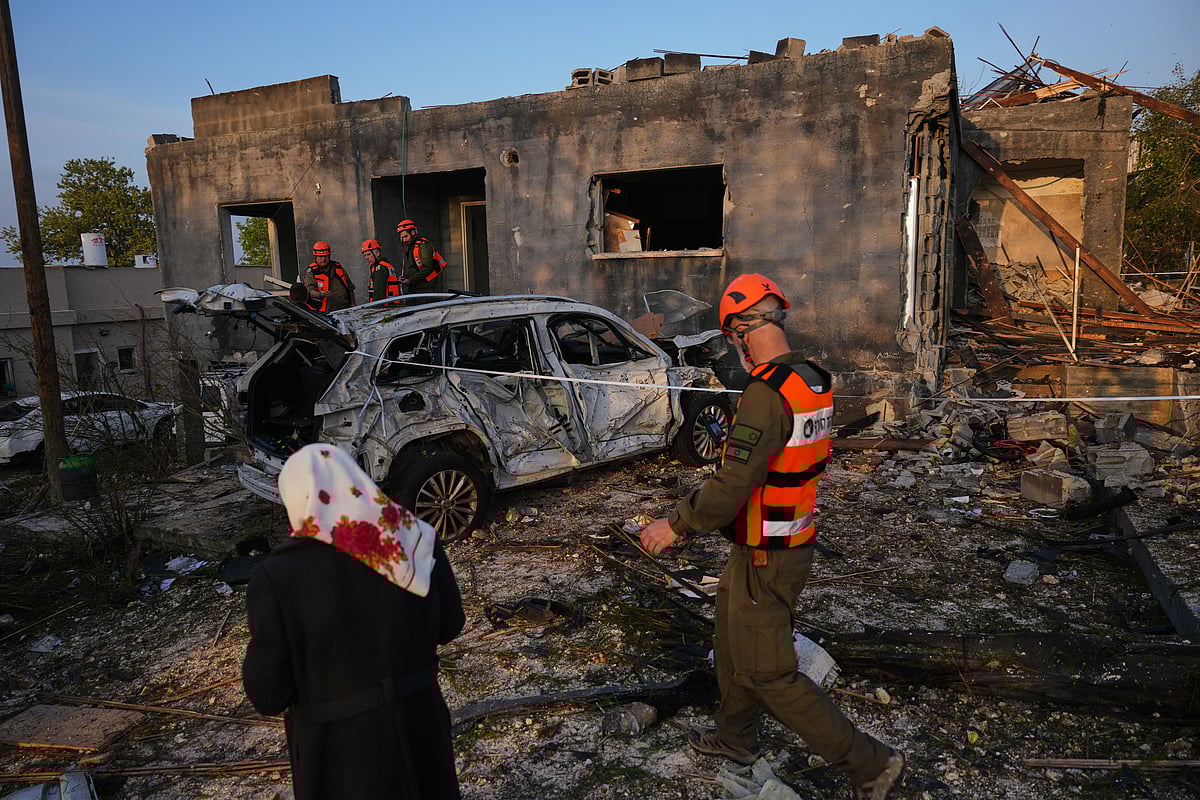
A Russian drone attack on a bus transporting energy sector workers in Ukraine's southeastern Dnipropetrovsk region on Sunday resulted in the deaths of 15 employees, the operating company DTEK confirmed. The incident occurred as the workers were returning from their shift, underscoring the persistent danger facing civilian personnel supporting vital national services.
Ukrainian Energy Minister Denys Shmyhal characterized the event as a "cynical and targeted attack" against the nation's energy complex while it manages one of the harshest winters recorded in recent memory. DTEK issued a statement describing the strike as a "massive terrorist attack," noting that all casualties were company personnel.
The attack took place in the city of Terenivka, according to police reports, with emergency service footage showing the charred remains of the bus veering off the roadway. This specific strike follows earlier Russian assaults on civilian infrastructure, including maternity hospitals and residential buildings in Zaporizhzhia on the same day, which wounded several others.
Comments from President Volodymyr Zelensky indicated that despite previous agreements, Russia continues to target logistical nodes within Ukraine, dismissing earlier assertions by Russia that it would cease energy infrastructure strikes until February 1. Recent Russian actions have included strikes on energy assets in Odesa and Kharkiv over the preceding week.
Overnight into Sunday, Ukraine’s air force reported launching 90 attack drones, with Russian air defenses subsequently claiming to have intercepted 21 Ukrainian drones over western and southwestern Russia. Russia's defence ministry stated its forces utilized aviation, drones, and artillery to strike transport infrastructure utilized by Ukrainian military forces.
Economically, sustained attacks on energy sector personnel and infrastructure complicate Ukraine's ability to maintain operational stability, particularly under adverse weather conditions that increase domestic energy demand. Disruption to mining and power generation capacity introduces significant headwinds for wartime economic resilience.
This latest incident raises further questions regarding adherence to negotiated ceasefires or de-escalation efforts, especially concerning civilian and critical infrastructure protection. The event occurred just hours before the announcement of planned US-brokered trilateral talks between Kyiv and Moscow scheduled for the following week.