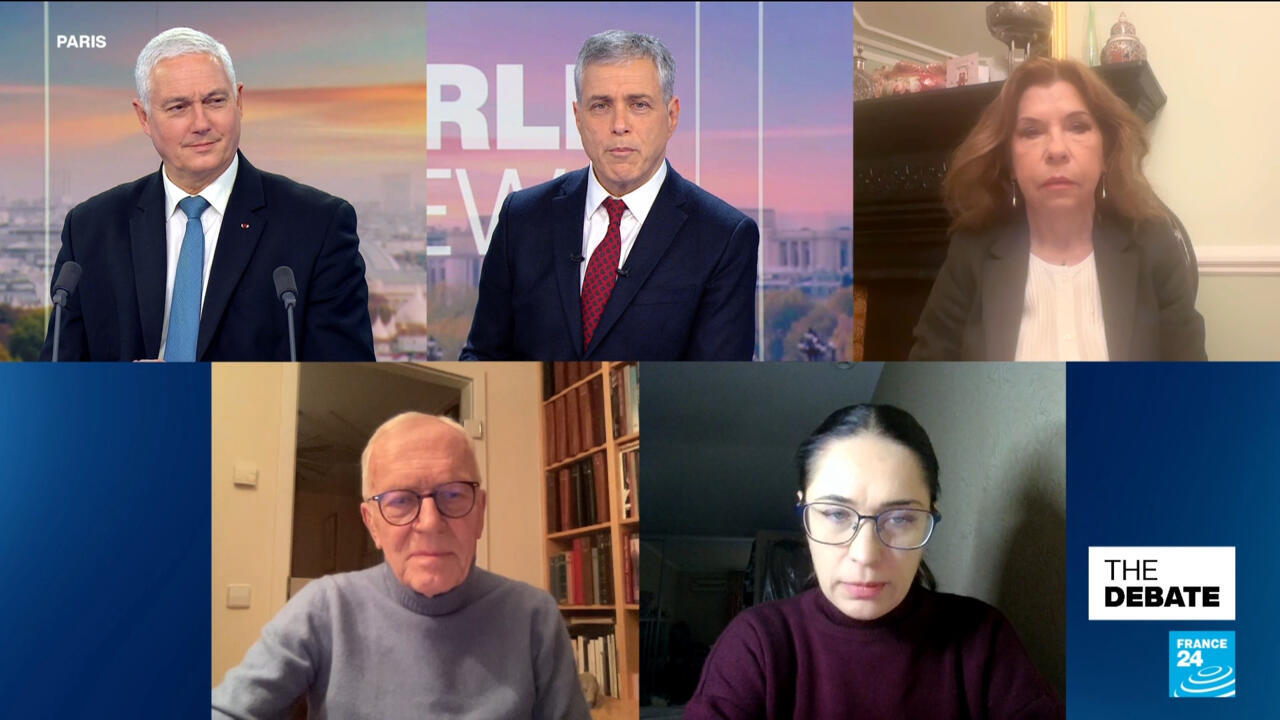
The grinding attrition of the Russia-Ukraine war has reportedly pushed the combined casualty toll on both sides toward two million, according to an independent assessment referenced by France 24's 'The Debate' program. This grim milestone underscores the sustained human cost as the conflict enters its fourth year without a clear resolution in sight.
Recent military action remains intense, exemplified by a Russian strike targeting a moving passenger train in the northeastern Kharkiv region that resulted in six fatalities on Tuesday. This attack further illustrates the continuous targeting of civilian infrastructure and movement across the contested zones.
Diplomatic efforts face significant hurdles, particularly ahead of planned discussions in Abu Dhabi. The United States has adopted a measured, ostensibly neutral posture concerning Russia's stated prerequisite: the complete cession of the eastern Donbas region by Ukraine.
Kyiv's strategic calculus is consequently under immense pressure, forcing an evaluation of its available military and political responses to Moscow's uncompromising territorial demands. European allies are simultaneously examining the scope of their commitment moving forward.
NATO Secretary General Mark Rutte recently emphasized the necessity of continued transatlantic alignment, cautioning member states against assuming they can manage security challenges independently of the U.S.-led alliance structure. This statement addresses underlying concerns about shifting security assurances within the bloc.
Further complicating the European security architecture, the French president is reportedly scheduled to address the potential extension of France's nuclear deterrent umbrella to neighboring states in the coming weeks. This highlights a growing appetite for deeper European security autonomy.
These developments occur within a broader context of shifting geopolitical alignments, including the reported European public reaction against proposals perceived as hostile takeovers, such as the hypothetical U.S. interest in Greenland. The year 2026 presents continuing strategic uncertainty for the continent.
Analysis of the conflict's duration suggests that a protracted war of attrition may persist unless a significant shift occurs in either military momentum or the negotiating positions held by the primary belligerents. The focus remains squarely on the outcomes expected from the forthcoming international engagements.