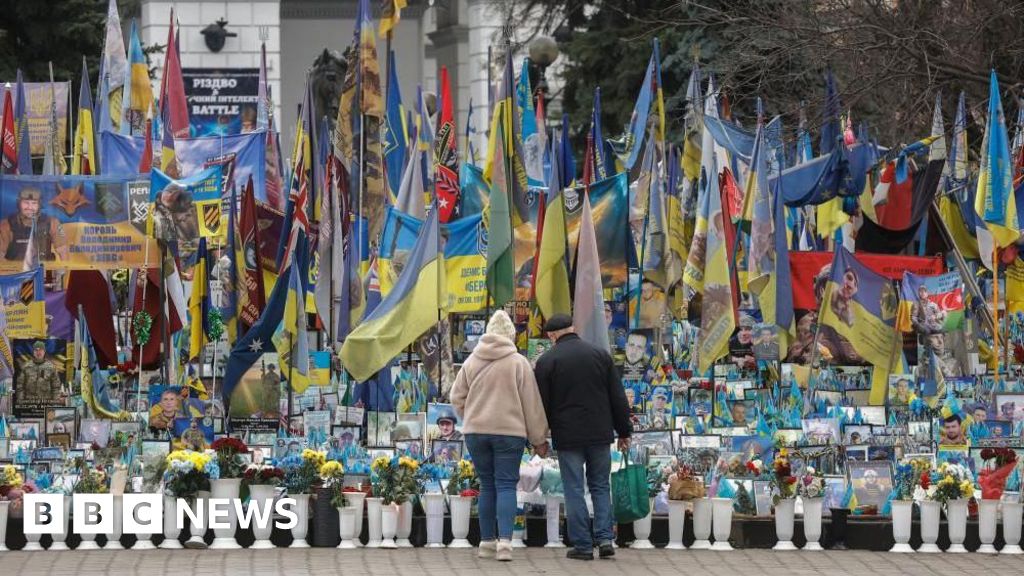
Kyiv announced that Russia returned the remains of 1,000 Ukrainian soldiers this week, marking the most recent repatriation of war dead between the two nations. Russia simultaneously received 38 bodies belonging to its forces, as confirmed by Russian chief negotiator Vladimir Medinsky via a Telegram post, which reportedly showed the transfer involving refrigerated transport trucks.
This latest transfer falls under a broader agreement established during negotiations in Istanbul in 2025, which stipulated the exchange of 12,000 soldier bodies, along with wounded prisoners of war and those under 25 years of age. The previous body exchange occurred in November of last year, when Russia returned 1,000 bodies while receiving 30 from the Ukrainian side.
Crucially, direct prisoner of war exchanges have stalled since October 2025, with both Moscow and Kyiv leveling accusations that the opposing side is intentionally delaying the process. This stagnation highlights the persistent difficulty in achieving humanitarian cooperation amidst escalating military tensions.
Geopolitical efforts to broker a comprehensive peace deal persist as the fourth anniversary of the February 2022 invasion approaches. Last week, Russian, Ukrainian, and US negotiators held trilateral talks in the United Arab Emirates, which participants described as constructive, according to reports.
However, substantive disagreements remain firmly entrenched, particularly concerning territorial control. Russia continues to demand that Ukraine relinquish its control over 25% of the Donetsk region currently held by Kyiv's forces. These unresolved territorial issues present a significant barrier to any lasting cessation of hostilities.
Despite ongoing diplomatic engagements, military actions continue across the front lines. Both nations maintain the exchange of drone attacks, underscoring the fragile security situation. Reports indicated that at least five individuals were killed in Ukraine's Kharkiv region Tuesday following a Russian drone strike on a passenger train.
Furthermore, Russia has reportedly intensified strikes targeting critical infrastructure in recent months, leading to widespread power and heating outages for Ukrainian civilians facing freezing conditions. This pattern of infrastructure targeting complicates humanitarian relief efforts alongside the ongoing military conflict.