Rubio's Senate Testimony Signals Ongoing US Strategic Tensions Over Venezuelan Policy
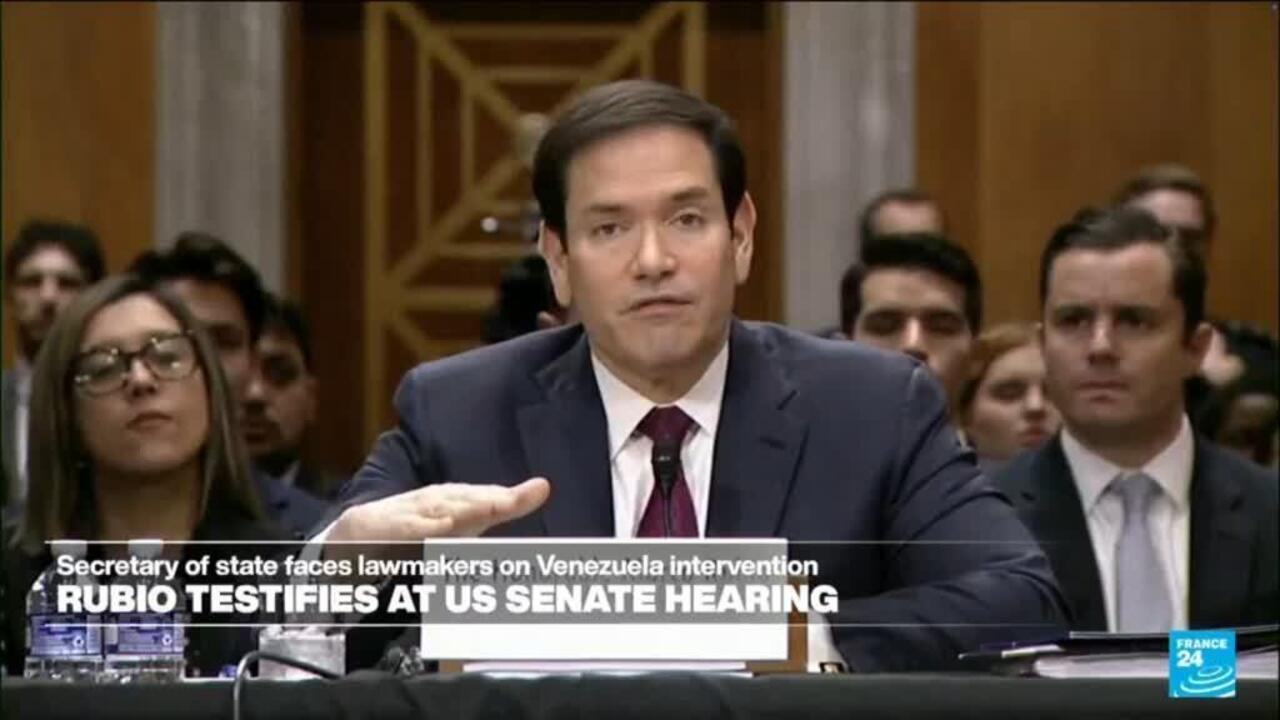
Senator Marco Rubio recently appeared before the US Senate, addressing critical questions regarding the Trump administration's approach to Venezuela. The testimony occurred amidst internal legislative maneuvers aimed at constraining executive war powers, highlighting persistent divisions in Washington's foreign policy calculus for Caracas.
Rubio's Senate Testimony Signals Ongoing US Strategic Tensions Over Venezuelan Policy
Washington D.C. – The delicate and often contentious relationship between the United States and the Nicolás Maduro regime in Venezuela remains a focal point in American foreign policy debates. Senator Marco Rubio, a prominent voice in shaping the administration's stance, recently provided testimony before the Senate, addressing lawmakers' inquiries into the current strategy concerning Caracas.The appearance, though ostensibly routine, carried significant weight given the legislative backdrop. Sources indicate that Rubio's testimony followed attempts by certain factions within Congress to pass resolutions designed to curtail the executive branch’s authority regarding potential military or assertive actions related to the Venezuelan crisis. This legislative push underscores a persistent tension between the White House and Capitol Hill over the scope of presidential war powers, particularly in complex, politically fraught regions like South America.Rubio’s engagement with senators likely centered on justifying the administration’s current diplomatic isolation measures, sanctions enforcement, and intelligence assessments concerning the internal political dynamics in Venezuela. For international markets and regional allies, these testimonies are crucial indicators of policy continuity or potential shifts. Volatility in Venezuelan oil production and regional migration patterns are directly impacted by the perceived stability of US policy.The ongoing debate reflects a broader geopolitical challenge: how best to exert influence against authoritarian regimes without triggering unintended escalations or destabilizing neighboring economies. As the Trump administration navigates evolving domestic political landscapes, the testimony serves as a public reaffirmation of the administration’s established, hardline position against the Maduro government.This event, as reported on January 28, 2026, underscores that despite shifts in diplomatic focus globally, the Venezuelan file remains a core concern requiring high-level executive and legislative coordination—or, in this case, confrontation.Source: Adapted from reports citing France 24 coverage of the Senate proceedings.