Rubio Signals Potential for Force in Venezuela as US Oil Seizures Intensify
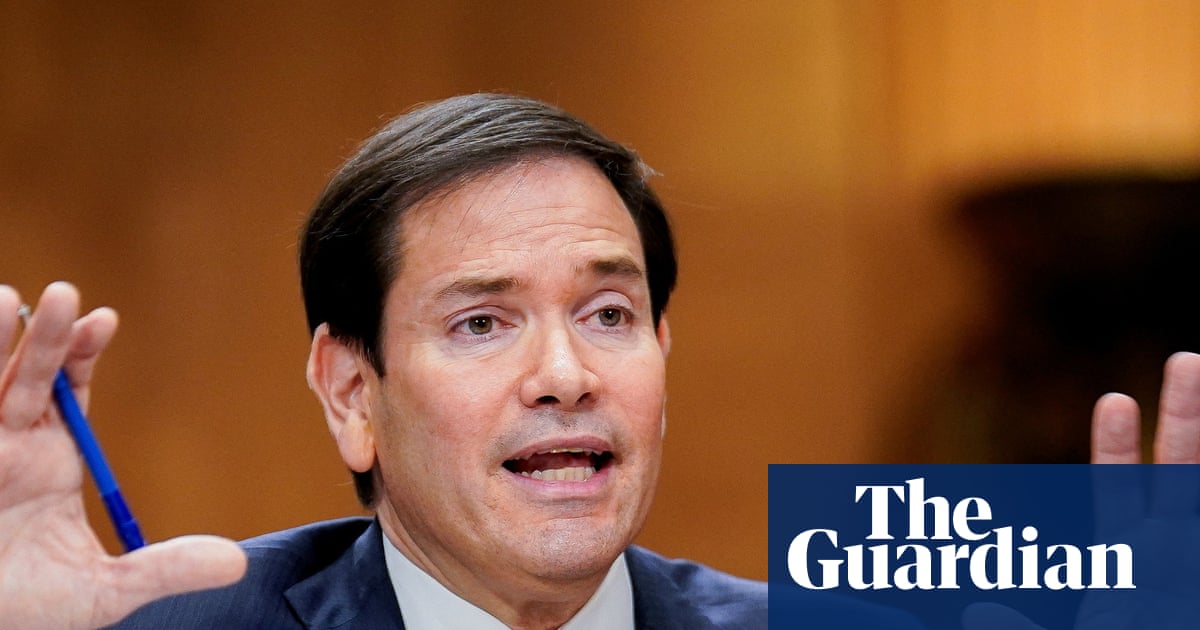
Secretary of State Marco Rubio signaled that while the Trump administration does not currently intend to use military force in Venezuela, the option remains reserved for 'self defense.' This stance came as Washington defends the seizure and sale of Venezuelan oil following the removal of Nicolás Maduro and the installation of interim president Delcy Rodríguez.
Rubio Signals Potential for Force in Venezuela as US Oil Seizures Intensify
Publicidad
WASHINGTON D.C. – Secretary of State Marco Rubio declined to definitively rule out the future use of U.S. military force in Venezuela during a tense appearance before the Senate Foreign Relations Committee Wednesday, underscoring the evolving and assertive posture of the Trump administration toward Caracas.Appearing to defend the administration’s unprecedented intervention—which has seen the removal of Nicolás Maduro and the subsequent seizure and monetization of Venezuelan state oil assets—Rubio confirmed that President Trump maintains the right to escalate action.“The president does reserve the option in self defense to eliminate that threat,” Rubio stated when pressed by Senator Chris Murphy (D-CT) regarding the potential use of force to compel cooperation on oil sales. Rubio referenced a hypothetical scenario involving Iranian drone manufacturing near U.S. forces in the region as a potential trigger, yet conceded that “military action is not good for recovery and transition.”In prepared testimony, Rubio had warned the U.S. remained “prepared to use force to ensure maximum cooperation if other methods fail.” However, he sought to reassure lawmakers, stating, “I can tell you right now with full certainty, we are not postured to, nor do we intend or expect to have to take any military action in Venezuela at any time.”Senator Murphy sharply criticized the existing strategy, questioning whether the approach—characterized as taking “their oil at gunpoint”—was “destined for failure” given that key aides loyal to the former regime remain influential. Rubio offered no firm timeline for a democratic transition but projected significant improvement within five months.The administration also confirmed granting no-bid licenses to two U.S. oil trading companies to expedite crude sales, a move Rubio characterized as a necessary “short-term fix” to avoid storage capacity collapse. The long-term strategy, he asserted, involves direct sales to U.S. refineries and expansion by established players like Chevron.Rubio further defended recent escalations, including deadly military strikes against suspected smuggling vessels and the seizure of sanctioned tankers, framing these actions not as an occupation but as “an operation to aid law enforcement” against drug trafficking syndicates, a charge Maduro denies.The geopolitical calculus is complicated by the administration’s simultaneous engagement with Venezuela’s interim president, Delcy Rodríguez. Rubio indicated that Rodríguez’s self-interest aligns with U.S. objectives—namely, opening the energy sector to American firms, securing preferential production access, and ending subsidized oil exports to Cuba. Rodríguez has publicly acknowledged establishing “respectful and courteous channels of communication” with Washington.The administration’s aggressive maneuvers face significant domestic headwinds. Congressional Democrats have condemned the executive overreach, while legal challenges are mounting, including a wrongful-death suit filed by families connected to a recent boat strike that killed at least 126 individuals across several maritime incidents since September.Attribution: Based on reporting from The Guardian and associated wire services.