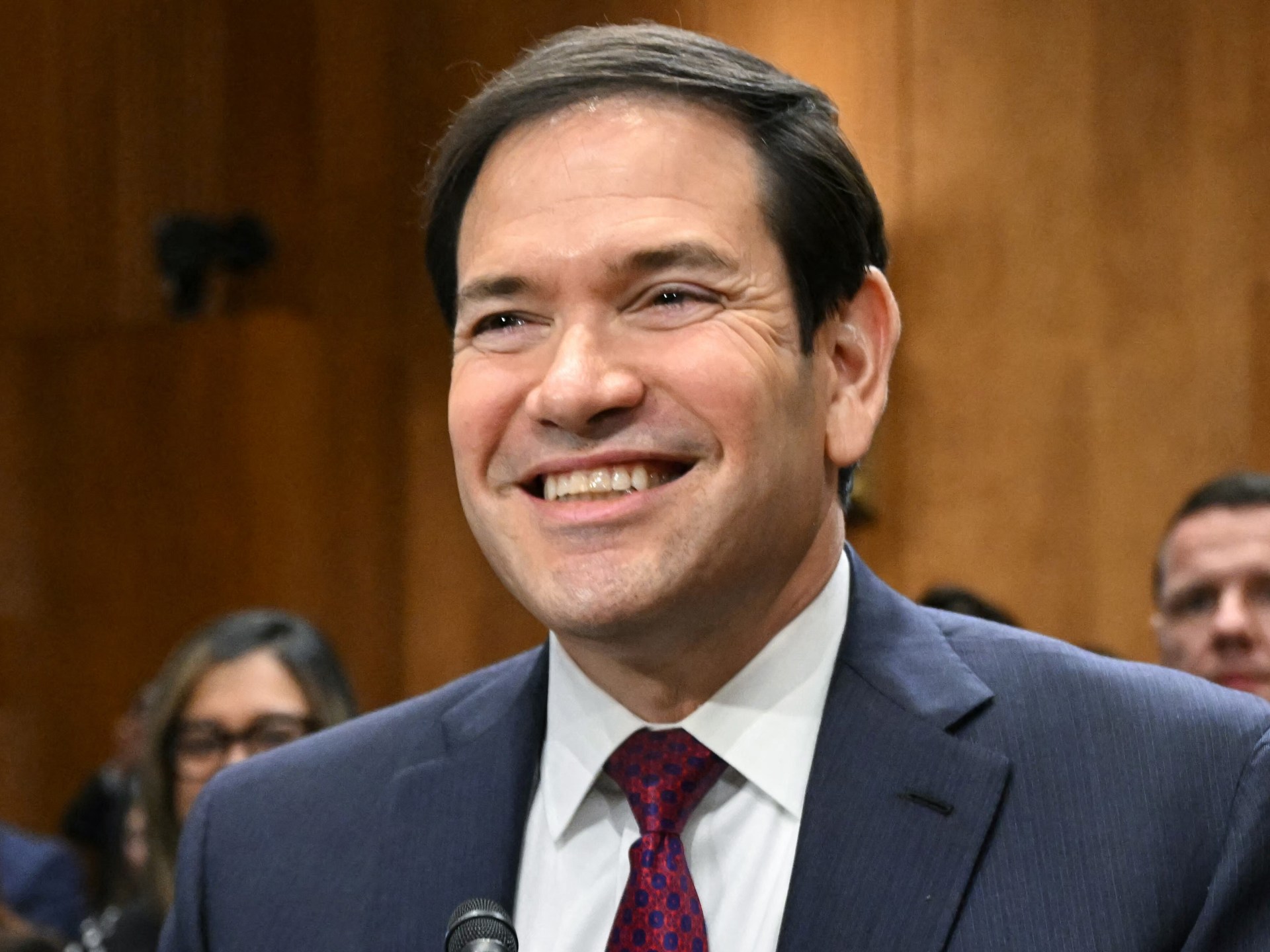
In a notable statement before the Senate Foreign Relations Committee, US Secretary of State and National Security Adviser Marco Rubio clarified the parameters of American foreign policy concerning the Bolivarian Republic of Venezuela. Rubio asserted that the Trump administration currently holds no intention or expectation of deploying military force in the nation, signaling a potential pivot away from more aggressive postures previously considered by Washington.
This declaration, delivered during a hearing examining the long-term strategy toward Caracas, suggests a desire to de-escalate direct military confrontation, which has been a persistent, albeit latent, factor in US-Venezuela relations for years. The policy shift, if maintained, could ease regional geopolitical tensions.
However, the articulation was not an absolute commitment to non-intervention. Secretary Rubio introduced a critical caveat, noting that the calculus could rapidly change should the presence of destabilizing foreign military assets be confirmed. Specifically, the development of facilities such as an alleged Iranian drone manufacturing plant was cited as a potential 'red line.'
Such a development would fundamentally alter the threat assessment emanating from Caracas, potentially triggering a re-evaluation of the administration's commitment to purely diplomatic or economic levers. The reference to Iranian involvement underscores Washington's persistent concern regarding the deepening ties between Venezuela and US geopolitical rivals.
Economically, this measured approach offers a degree of stability to regional markets sensitive to military escalation in the Caribbean basin and South America. Persistent uncertainty regarding US military options has historically contributed to volatility in oil-related trade flows and foreign investment decisions in neighboring states.
Analysts suggest that while the rhetoric points toward constraint, the explicit mention of foreign military bases serves as a clear deterrent aimed at Beijing, Moscow, and Tehran. It frames future US military consideration not around internal political dynamics, but around external strategic threats to regional security architecture.
Rubio’s testimony thus outlines a delicate balance: a strategic drawdown from active interventionism coupled with a firm, publicly stated commitment to prevent the establishment of hostile military footholds on the continent. This nuanced position will be closely scrutinized by regional allies and adversaries alike for indications of true strategic flexibility.
This information is based on statements made by Secretary Rubio during congressional testimony on January 28, 2026, as reported by Al Jazeera and other wire services.