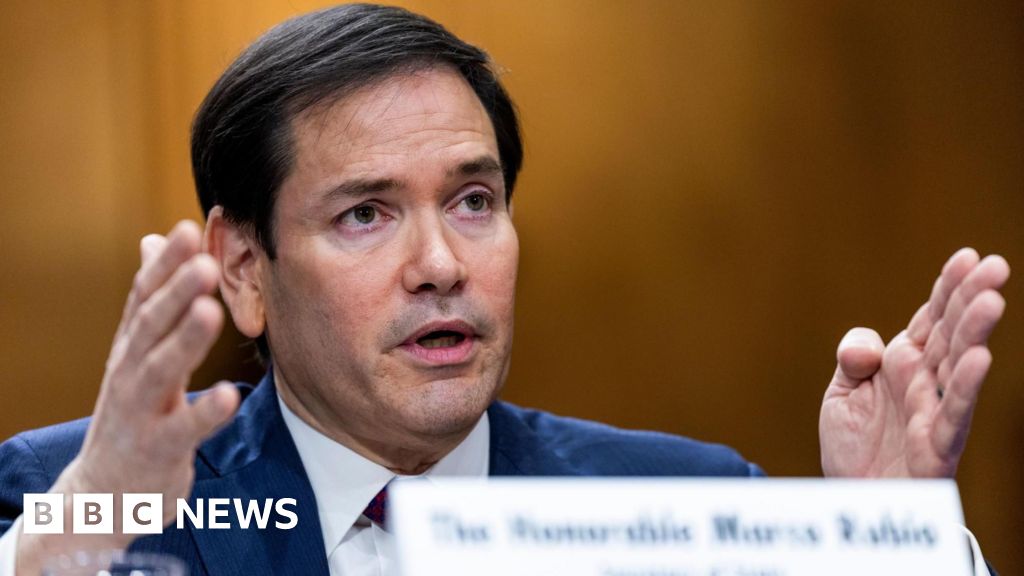
The US Senate Foreign Affairs Committee convened a highly anticipated hearing this week, pressing Secretary Rubio on the administration's controversial intervention in Venezuela culminating in the forcible removal of Nicolás Maduro on January 3rd. Following months of classified discussions regarding the initial Caribbean strikes, the hearing centered on the legality and justification for deploying Delta Force troops to Caracas.
Secretary Rubio was meticulous in his defense, asserting that the US had not engaged in occupation. In his opening statement, he stressed, "There are no US troops on the ground," characterizing the operation strictly as a 'drug bust' against an indicted criminal. This delineation aims to circumvent constitutional requirements for a formal declaration of war, although critics, including Senator Rand Paul, questioned the legal and strategic merits of this framing.
Rubio maintained an unapologetic stance, arguing that Maduro's removal was necessary to dismantle the corruption underpinning the regime. However, the immediate economic implications are proving to be the most significant geopolitical pivot. The Secretary confirmed Washington’s plan to seize control of Venezuela’s substantial oil industry revenues, which are initially being held in an offshore Qatar account before transfer to a US Treasury blocked account.
This control mechanism dictates that the successor government, led by Interim President Delcy Rodriguez, must formally petition Washington for access to funds for narrowly defined necessities. The stated objective is to redirect oil profits away from debt servicing to China and strategic partnerships with Russia, channeling them instead into the purchase of US-manufactured goods, from foodstuffs to refinery chemicals.
Analysts are closely monitoring how the new Caracas leadership, whose political careers were built on anti-American rhetoric, will reconcile with direct US custodianship over national resource wealth. Rubio remains confident, citing early indications that Rodriguez is cooperating, particularly regarding a redrafting of hydrocarbon laws to favor increased US energy investment.
Furthermore, the intervention carries significant regional implications, particularly for Havana. Rubio explicitly noted that Rodriguez has pledged to sever Venezuela's critical oil supply lifeline to the Cuban regime, suggesting her political self-preservation aligns with Washington’s objectives against its long-standing regional adversaries.
While Rubio refused to rule out further military action if necessary, the immediate focus remains on establishing economic stability and democratic transition, citing historical precedents like Spain and Paraguay. The coming months will test the sustainability of this strategy and reveal whether Washington’s vision for transformative change in Venezuela can be executed without further kinetic escalation. (Source: Adapted from reporting by BBC News)