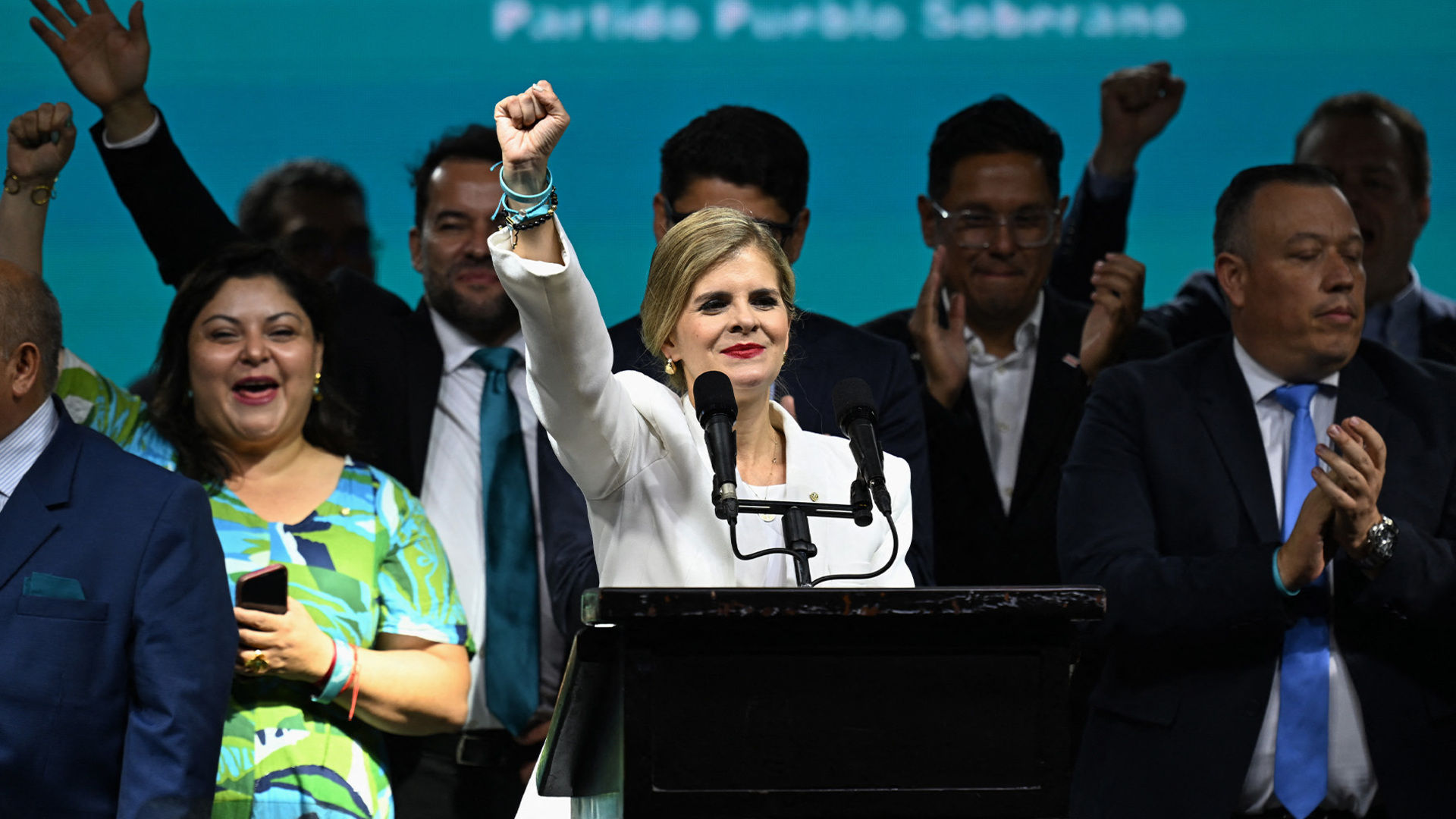
Right-wing ruling party candidate Laura Fernandez secured victory in the Costa Rican presidential election on February second, according to reports disseminated by Al Jazeera. The declaration followed early vote tallies that established a commanding lead over her primary challenger, Alvaro Ramos.
Ramos, whose specific political affiliation was not detailed in initial reports, formally conceded the race to Fernandez. This swift concession suggests a clear mandate reflected in the early tabulation of ballots across the nation.
Fernandez’s victory implies a continuation of the current administration’s general direction, likely focusing on fiscal conservatism and established trade relationships. Such political continuity often provides predictability for foreign direct investment within the region.
Global economic observers will now focus on the composition of Fernandez’s incoming cabinet and her stated priorities regarding national debt management. Costa Rica maintains a significant reliance on tourism and technology exports, sectors sensitive to policy shifts.
Geopolitically, the result reaffirms established alliances, particularly with North American economic blocs, maintaining the current alignment in regional security discussions. The transition period will be closely monitored by neighboring nations.
Data from the electoral body indicated high voter turnout, underscoring the significance attached to this electoral contest by the Costa Rican populace. The final certification of results is expected shortly, finalizing the process.
For La Era’s readership, this outcome stabilizes the near-term outlook for Central American market stability, contrasting with more volatile political environments elsewhere in the isthmus.