Renewed hostilities have erupted in Ethiopia’s Tigray region, pitting government forces against Tigrayan fighters in areas previously contested, specifically Tsemlet in western Tigray. Security and diplomatic sources confirmed the outbreak of fighting this week, warning that the situation is rapidly deteriorating and has already led to the suspension of commercial and humanitarian flights in the area.
This latest instability strikes a region still bearing the severe economic and demographic scars of the 2020-2022 conflict, which displaced millions and resulted in thousands of fatalities. The resumption of large-scale fighting places immense strain on a population critically dependent on external assistance for basic survival elements.
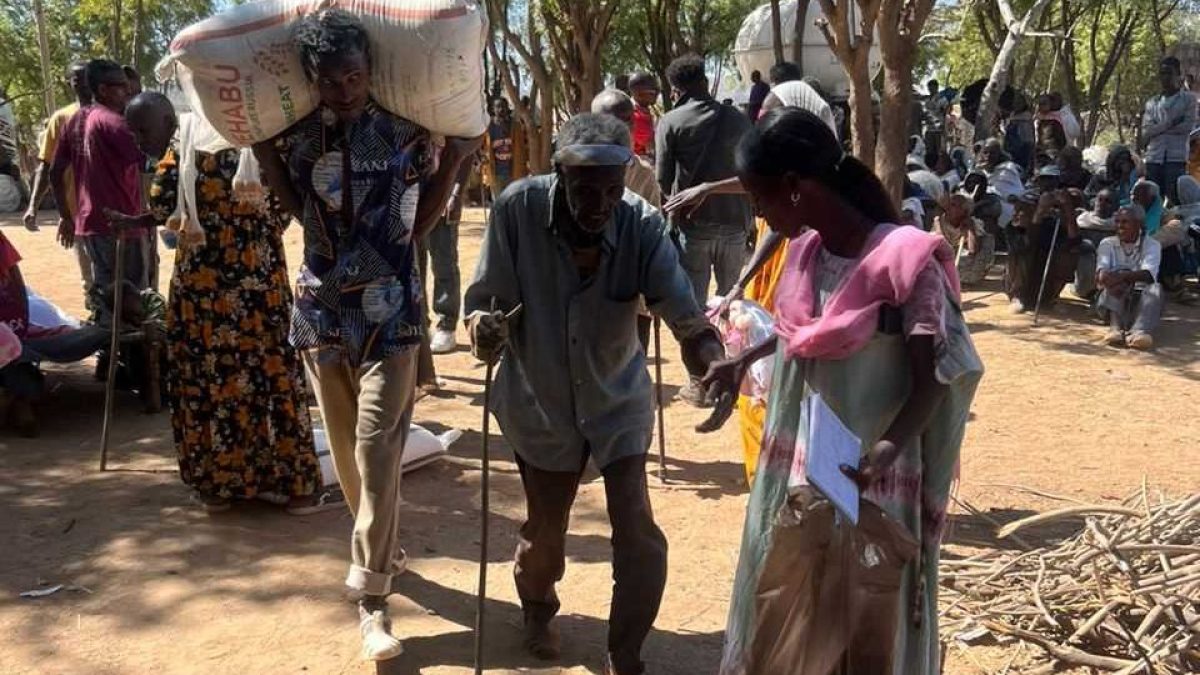
Compounding the security crisis is an acute humanitarian funding shortfall. Organizations on the ground, including the World Food Programme (WFP), estimate that up to 80 percent of Tigray’s population requires emergency support. However, the overall aid landscape has been significantly altered by major cuts to key donor programs.
Specifically, the cessation of substantial humanitarian financing from the United States Agency for International Development (USAID) over the past year has created critical capacity gaps. While the US government has signaled a partial resumption of support, aid agencies report that the impact has been minimal in heavily affected zones like Tigray, with remaining funds often prioritized for more acute global hotspots.
Prior to these cuts, Ethiopia was a leading recipient of USAID aid in sub-Saharan Africa. Now, NGOs are scaling back operations, directly impacting access to essential medical care, water, and sanitation services for the most vulnerable populations, as noted by Doctors Without Borders just prior to the latest escalation.
The economic infrastructure of Tigray remains devastated, hindering any meaningful recovery or self-sufficiency efforts. The combination of renewed military risk and persistent donor withdrawal creates a perilous environment where localized security concerns quickly translate into major regional humanitarian crises.
For the wider Horn of Africa, instability in Ethiopia—a critical regional anchor—carries significant geopolitical weight. Any prolonged conflict risks broader destabilization and further complicates international diplomatic efforts aimed at cementing the 2022 peace agreement.