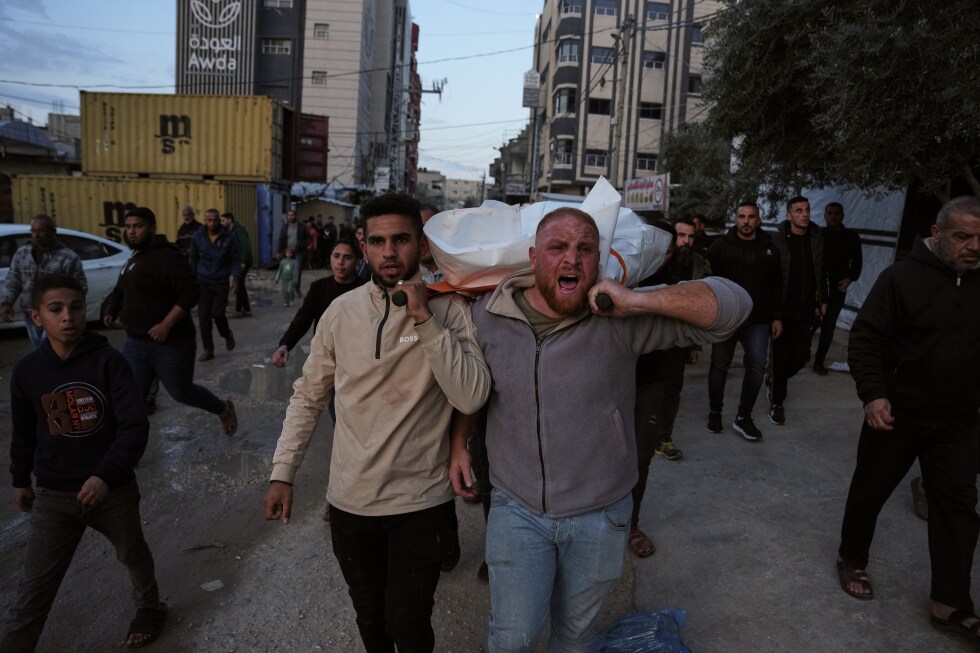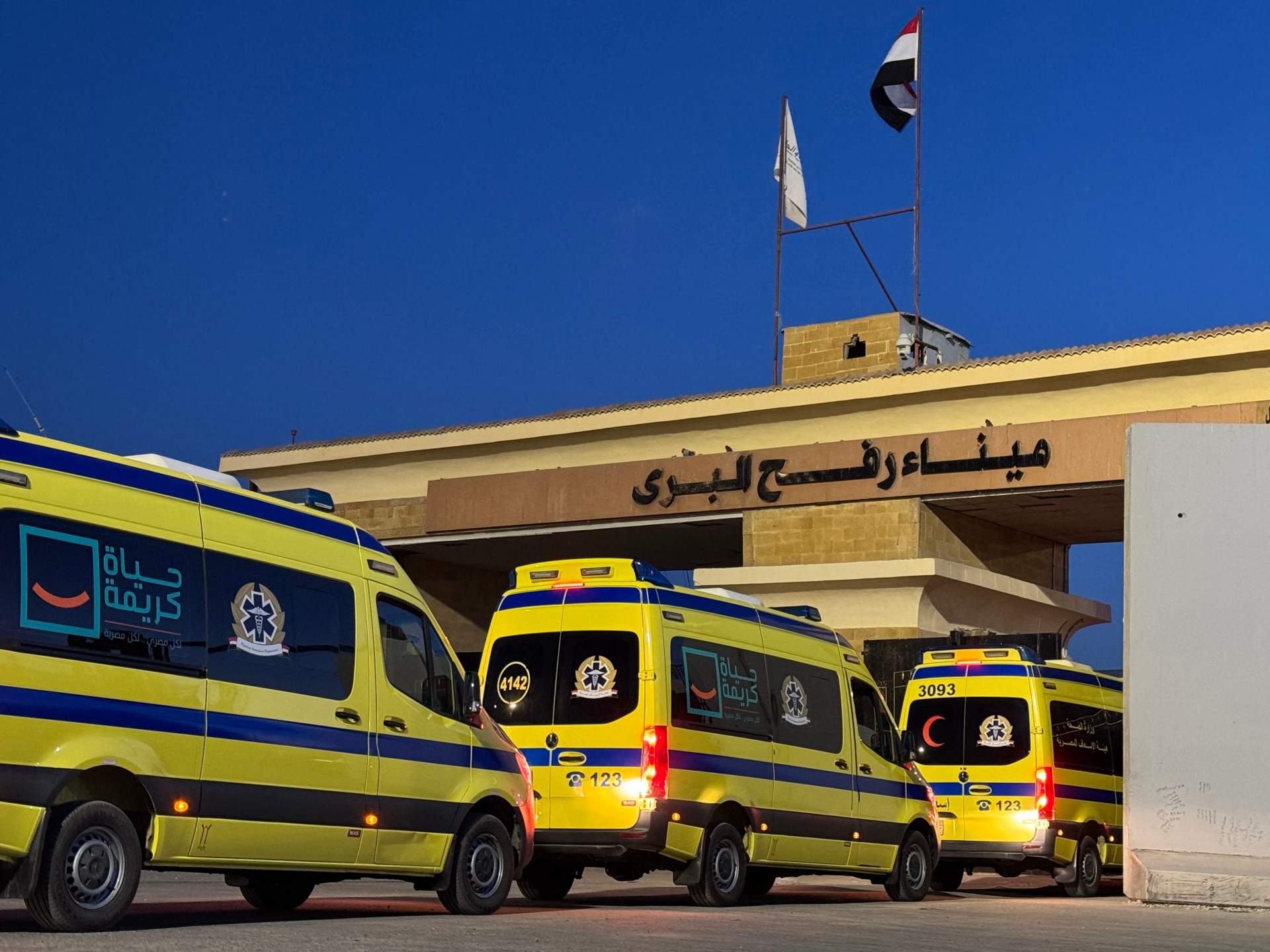
The Rafah border crossing, connecting the Gaza Strip with Egypt, has reopened following a US-brokered ceasefire arrangement after prolonged closure stemming from the ongoing conflict. This reopening generated initial hopes that freedom of movement would significantly ease the dire humanitarian situation inside the enclave.
According to reporting from Al Jazeera, the operational status is severely constrained by strict conditions imposed by Israel regarding inbound and outbound passage. Movement is currently limited to a small quota of individuals, primarily those requiring urgent medical evacuation from the territory.
Crucially, essential supplies, including much-needed humanitarian aid and construction materials required for reconstruction, continue to be barred from entering Gaza through this key corridor. This restriction undermines the potential for any substantial improvement in the infrastructure collapse within the Strip.
Former Egyptian assistant foreign minister Hussein Haridy provided insight into the geopolitical limitations surrounding the crossing's functionality. The effectiveness of this partial reopening remains questionable given the scale of the ongoing needs reported by aid organizations on the ground.
Mosab Nasser, CEO of FAJR Global, an organization facilitating medical care and evacuations, confirmed the narrow scope of current operations. While evacuations are proceeding marginally faster, the inflow of medical supplies remains inadequate to address the widespread medical requirements.
Political analyst Akiva Eldar noted that the political calculus driving the conditions of passage dictates the scope of relief afforded. The current arrangement prioritizes controlled movement over the comprehensive restoration of supply lines necessary for civilian sustainment.
The ultimate impact of this limited resumption of activity on Palestinian suffering after months of war remains uncertain, contingent upon potential future negotiations or escalations. Global economic observers are tracking the movement of goods, as sustained reconstruction funding relies on secure supply corridors.
What comes next hinges on adherence to the ceasefire terms and whether international pressure compels a broader relaxation of the entry restrictions for commercial and aid shipments. The situation underscores persistent logistical bottlenecks impacting regional stability.