The Rafah crossing, Gaza’s sole land route bypassing Israeli control, resumed operations on Monday, permitting five critically injured Palestinians to exit for necessary medical care in Egypt. This limited reopening, framed by some as progress in a US-backed ceasefire arrangement, immediately revealed severe restrictions imposed by Israeli authorities, according to reports from Al Jazeera.
Only five patients were approved to leave, each accompanied by two escorts, resulting in fifteen total travelers, a figure substantially lower than the fifty daily departures previously coordinated with the World Health Organization (WHO). Mohammad Abu Salmiya, director of Gaza’s al-Shifa Medical Complex, confirmed this minimal throughput, underscoring the vast gap between operational capacity and the estimated 22,000 individuals needing external medical evacuation.
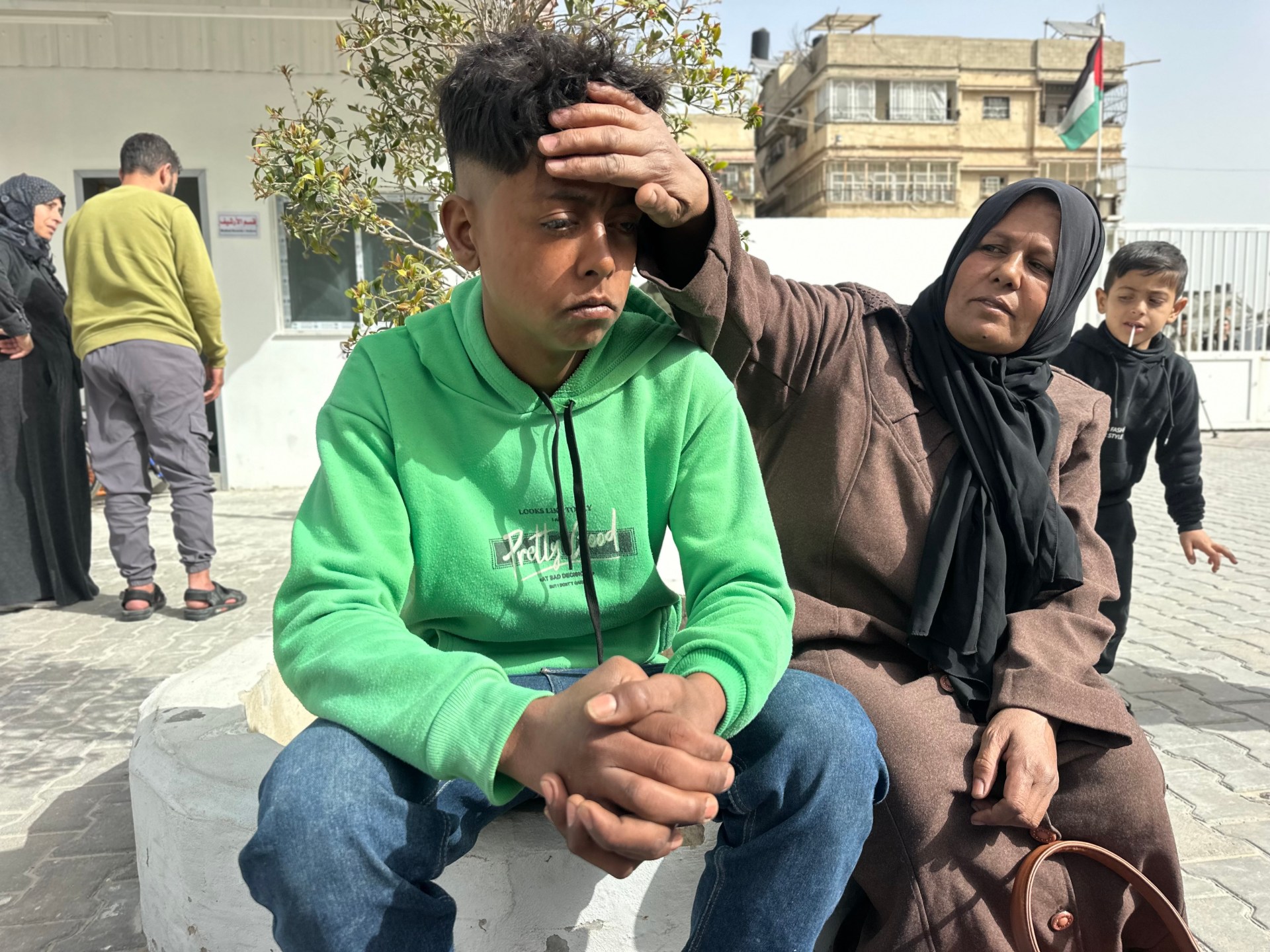
One of the approved travelers, seventeen-year-old Mohammed Abu Mostafa, who suffered severe eye injuries from an Israeli air attack, traveled with his mother, Randa. His mother expressed relief for her son's departure but anguish over leaving four other children behind, as only one accompanying adult was permitted per patient.
The complex security screening process dictates that all travel lists must receive explicit approval from Israeli authorities before passage through Rafah is granted. The European Union Border Assistance Mission deployed there is restricted to monitoring and identity verification, placing final authorization firmly outside Egyptian or Gazan control.
While the focus remains on medical evacuations, Egyptian sources indicated that fifty Palestinians were permitted to return to Gaza via the crossing on the same day. However, the overall humanitarian need remains immense, with officials noting that approximately 80,000 displaced Palestinians are currently seeking to return to the enclave.
Patients waiting at the Red Crescent Hospital in Khan Younis, including those with amputations, voiced frustration over the restrictive first-day procedures. The limited allowance contrasts sharply with the desperate medical conditions resulting from the protracted conflict, where specialized care is unavailable internally.
This partial resumption of the crossing, which Israel had closed for two years, signals a delicate and highly controlled phase of humanitarian management. The immediate challenge for international bodies will be negotiating a significant increase in the daily quota to address the backlog of severe cases.