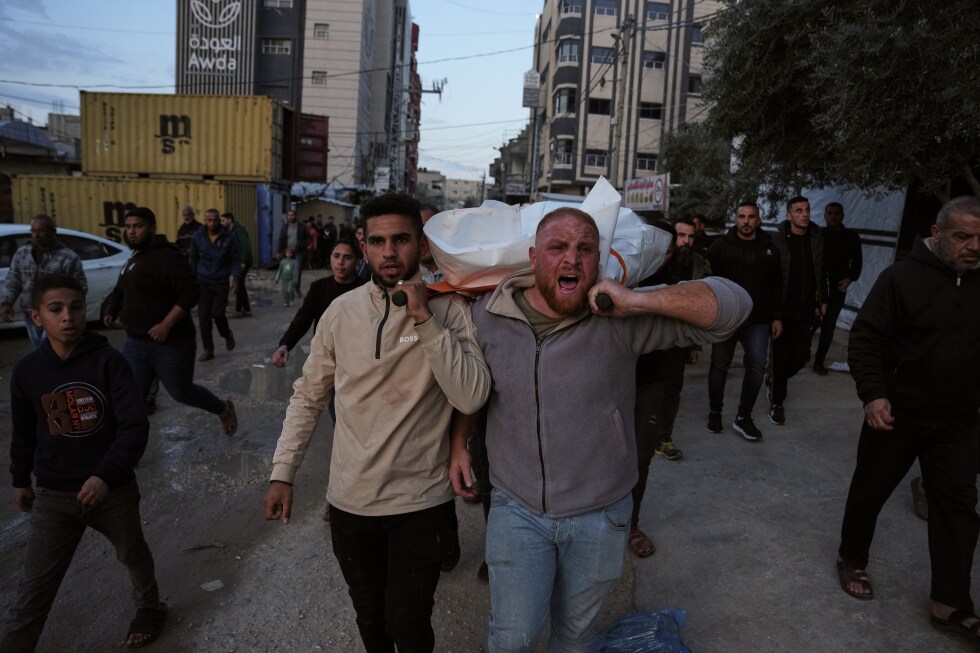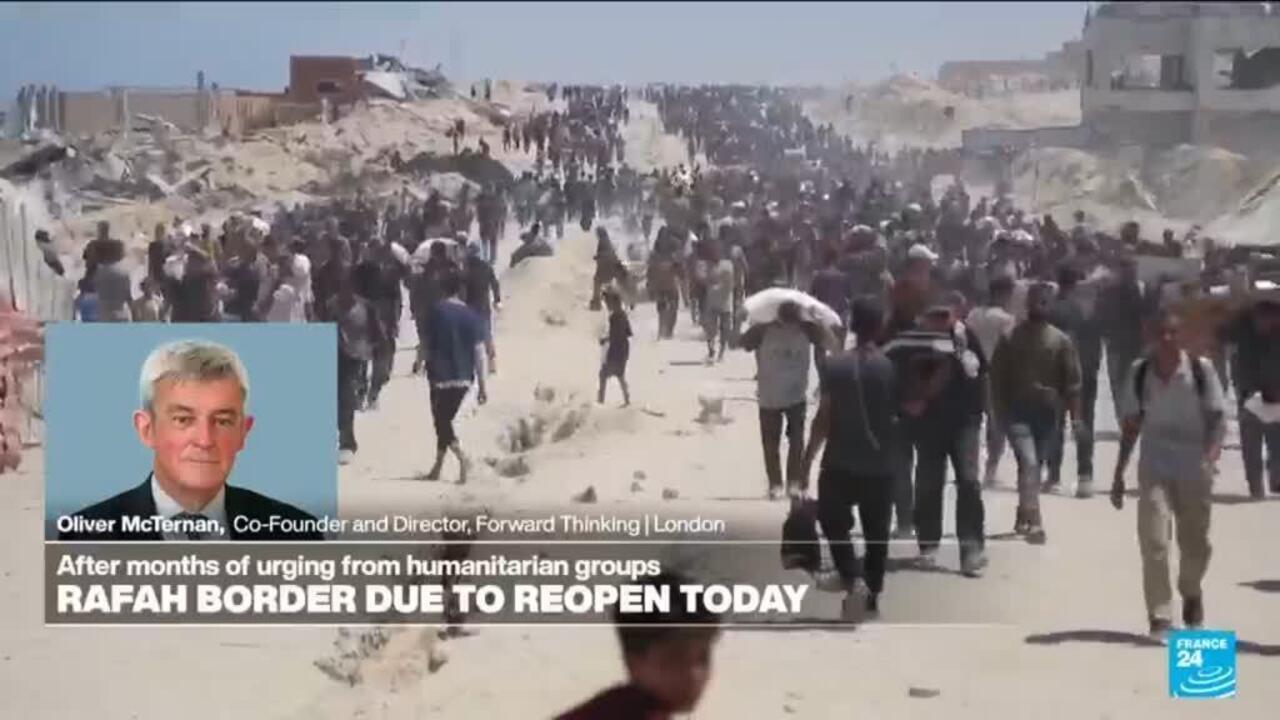
The Rafah border crossing connecting the Gaza Strip with Egypt initiated limited operations for pedestrian movement on Monday, following statements from Israeli authorities regarding the resumption of controlled transit. This development occurs as diplomatic efforts intensify to secure a broader ceasefire agreement between Israel and Hamas.
Crucially, while individuals may now cross between the territories, the crossing remains non-operational for the passage of humanitarian supplies, according to reports from aid organizations monitoring the situation. This distinction highlights the ongoing challenge in addressing the severe humanitarian crisis within Gaza.
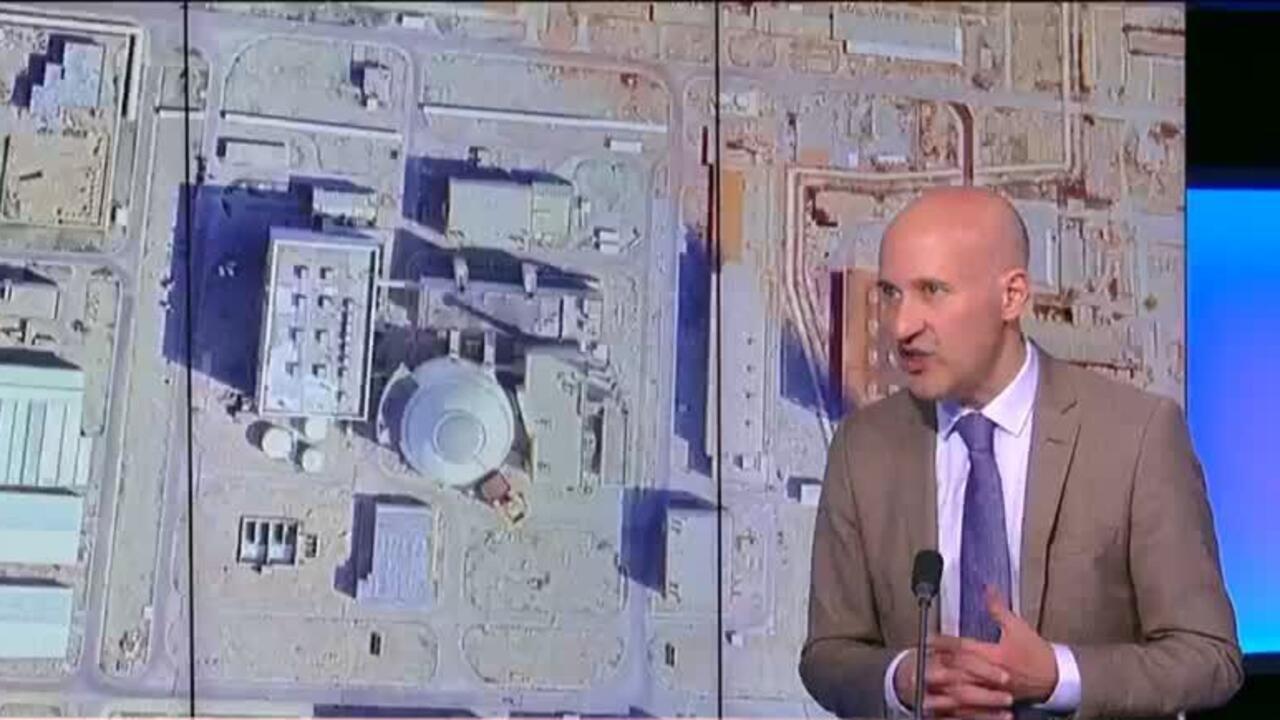
Analysis provided by Olice McTernan, co-founder and director of Forward Thinking, suggests that the phased reopening prioritizes political signaling over immediate logistical relief. The resumption of civilian movement is often a prerequisite in negotiated agreements, even when aid corridors face separate, more complex security hurdles.
Prior to this limited resumption, the crossing had experienced near-complete isolation, severely restricting the movement of people and goods necessary for the territory's functioning. The economic and social impact of prolonged closure has been substantial for Gaza's residents.
International bodies have consistently called for the immediate and unimpeded access of aid through all available routes, including Rafah, which serves as a primary conduit for international assistance. The continued closure to aid suggests that security protocols related to inspection and transfer have not yet been finalized.
Geopolitically, the status of the Rafah crossing remains a sensitive point of contention between Cairo and Jerusalem, given Egypt’s role as a key regional mediator. Any operational changes carry significant implications for regional stability and the management of the conflict's aftermath.
Moving forward, the focus of international diplomacy will likely shift toward establishing secure, consistent mechanisms for aid delivery through Rafah and Kerem Shalom. The efficacy of the current ceasefire talks hinges partly on resolving these critical logistical bottlenecks.