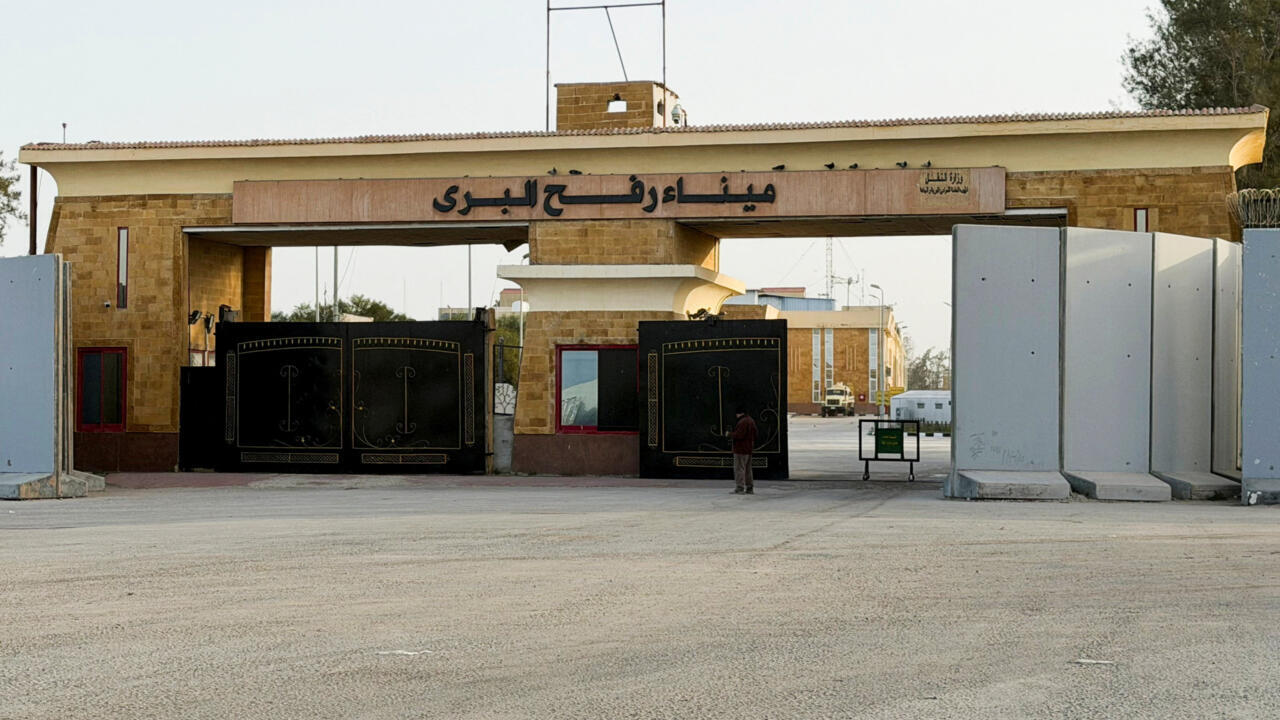
The impending resumption of operations at the Rafah crossing, Gaza's primary gateway to Egypt, represents a potentially significant pivot point in the protracted negotiations aimed at securing a sustainable ceasefire agreement.
Israeli Prime Minister Benjamin Netanyahu indicated that the crucial border facility would soon be operational again, contingent upon the successful implementation of the second phase of the proposed truce framework. This announcement injects a measure of cautious optimism into diplomatic circles tracking the conflict's humanitarian fallout.
For the Gaza Strip, the crossing’s closure since early May has severely curtailed the flow of essential aid and, critically, blocked the exit of thousands of war-wounded Palestinians requiring specialized medical treatment overseas. Its reopening is thus viewed as a non-negotiable element for international aid organizations and affected families seeking egress.
Economically and logistically, the Rafah crossing is indispensable. Its sustained closure has intensified the blockade effect on Gaza’s already devastated infrastructure, impacting supply chains that rely on Egyptian transit routes. The resumption of commercial and humanitarian traffic will be closely monitored by regional economic actors.
Geopolitically, the reopening addresses a key point of contention between Cairo and Jerusalem. Egypt has consistently emphasized the necessity of maintaining control or oversight of the terminal, viewing any unilateral Israeli security posture there as a violation of its territorial sensitivity regarding the Sinai Peninsula.
While the immediate focus remains on the humanitarian imperative—facilitating medical evacuations and the return of displaced persons—the long-term status of the crossing remains a sensitive subject tied to post-conflict governance discussions in Gaza. Any agreement surrounding its function will reflect the delicate balance of power negotiated between the involved parties.
This development underscores that humanitarian access remains a central, tangible metric for measuring the viability and potential success of the current diplomatic efforts. The operational status of Rafah will serve as an early indicator of compliance with broader ceasefire terms. (Source: Based on reporting from France24 and related international wire services.)