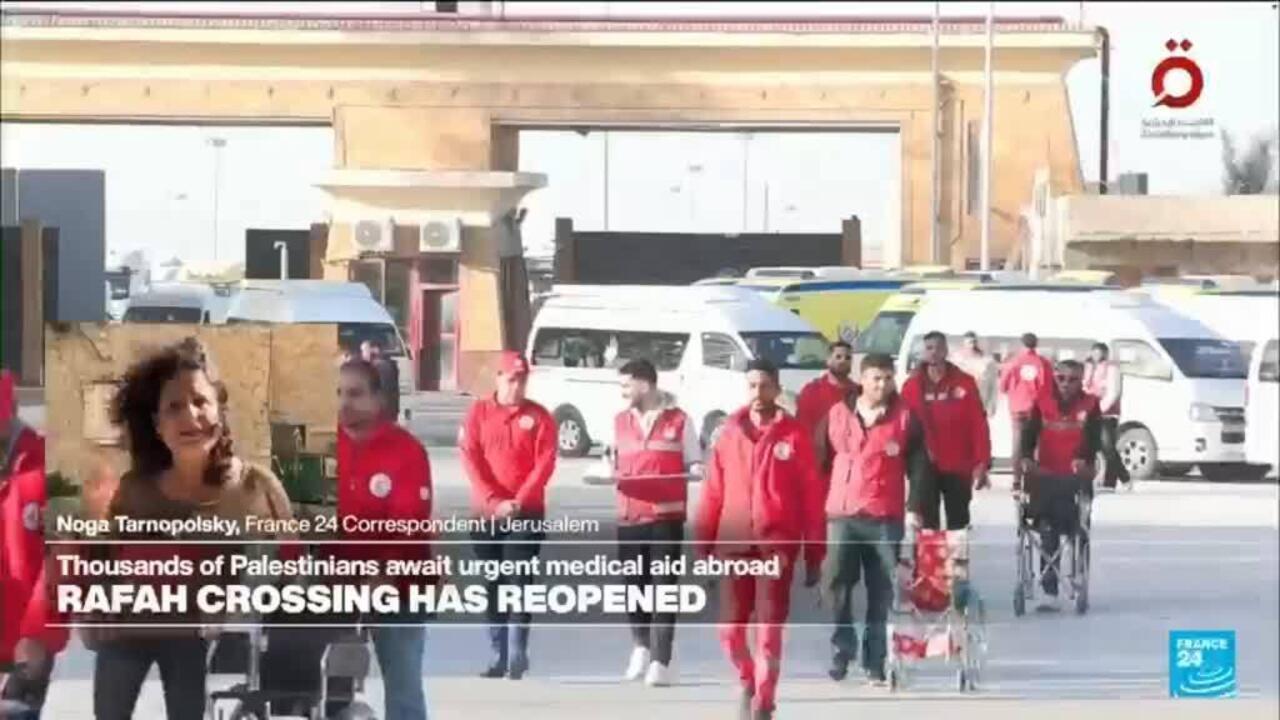
Gaza’s Rafah border crossing initiated a restricted pilot reopening this week, permitting limited movement for Palestinian civilians after a protracted closure. Israeli authorities confirmed that operations have resumed, signaling a tentative easing of controls over the vital southern entry point into the territory.
Egyptian media sources reported that the initial phase of the reopening is highly constrained, authorizing passage for only fifty people traveling in each direction. This low throughput suggests a deliberate strategy to maintain significant operational oversight while addressing immediate transit needs.
The resumption of activity follows the Israeli seizure of the crossing in May 2024, which effectively halted commercial and civilian traffic through this key corridor. The closure had severely impacted humanitarian logistics and the ability of residents to seek medical treatment abroad.
International aid organizations have reportedly pressured relevant parties for the reinstatement of some form of controlled access to the crossing. This limited reopening appears to be a direct response to sustained diplomatic and operational appeals aimed at mitigating the humanitarian situation.
Details regarding the duration and scalability of this pilot phase remain unclear, according to reports from Jerusalem by FRANCE 24 correspondent Noga Tarnopolsky. The exact criteria determining who is permitted to cross are also subject to ongoing security assessments by Israeli officials.
From a geopolitical standpoint, the control and conditional opening of Rafah remain sensitive, directly involving Egypt as the only other facilitating state. Any future expansion of traffic will likely require complex, coordinated security arrangements between Cairo and Tel Aviv.
The broader economic impact centers on the potential, albeit currently minimal, easing of supply chain pressures on Gaza, which has operated under severe restrictions since the crossing’s initial shutdown. Future movements will be closely monitored for signs of broader policy shifts regarding border management.