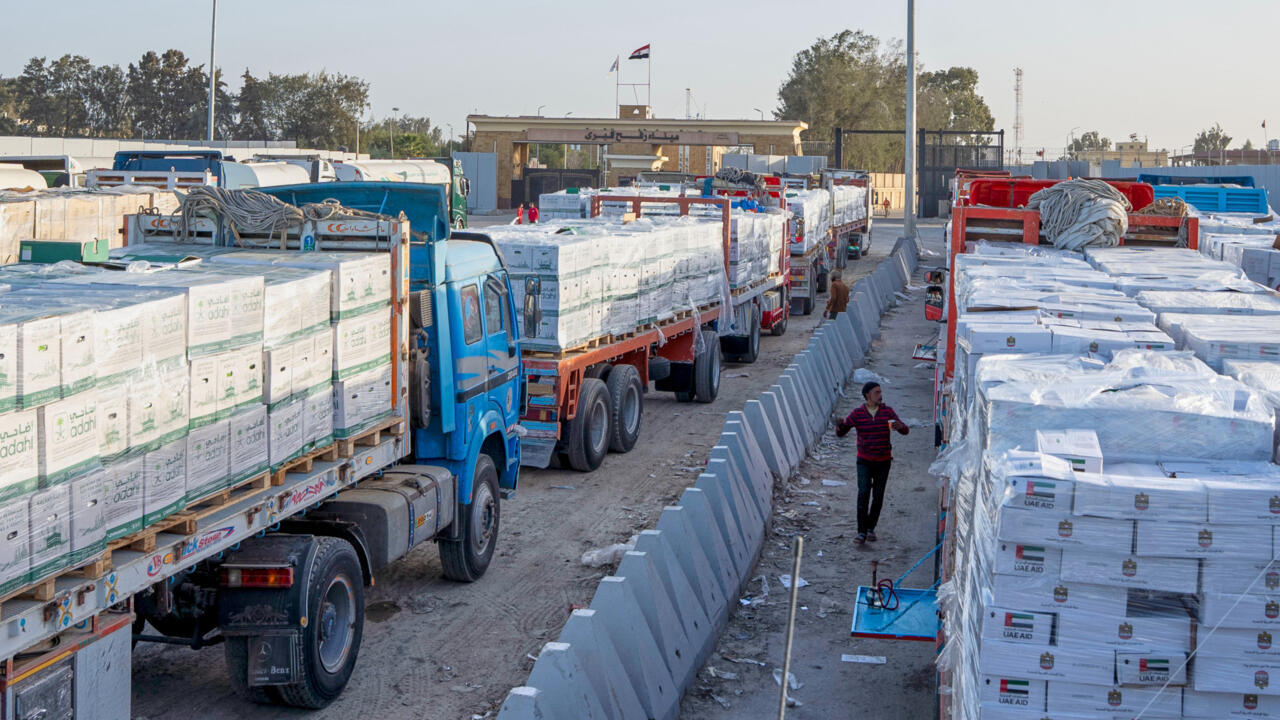
The Rafah border crossing, closed since Israeli forces seized control in May 2024, resumed limited operations Monday to allow Palestinian medical patients to exit the Gaza Strip for treatment in Egypt. Ambulances reportedly waited several hours before ferrying patients across the border after sunset, as documented by Egypt’s state-run Al-Qahera News satellite television channel. This reopening is viewed as a crucial component of the US-brokered ceasefire agreement, contingent upon the recovery of remaining hostages.
According to Gaza health officials, roughly 20,000 children and adults requiring specialized medical care are currently awaiting passage through the crossing. Egypt has prepared approximately 150 hospitals across the North Sinai region to receive and treat these evacuated patients, with the Egyptian Red Crescent establishing support centers on its side of the border. Israel has reportedly prohibited patients from accessing medical facilities in the Israeli-occupied West Bank and East Jerusalem since the conflict began.
On the first day, initial movement was restricted, with reports suggesting only 50 Palestinians would cross in each direction, and no commercial goods were permitted passage. The agreement terms stipulate that both Israeli and Egyptian authorities will vet all individuals seeking exit or entry through Rafah. Historically, Rafah served as the primary conduit for movement in and out of Gaza before the current escalation.
While the passage of patients moved forward, reports of violence persisted in the coastal territory on Monday, complicating the overall security situation. Gaza hospital officials stated that an Israeli navy vessel fired upon a tent camp in Muwasi, resulting in the reported death of a three-year-old Palestinian male. The Israeli military confirmed it was investigating the incident, according to reports.
This development follows the recovery of the remains of the last hostage held in Gaza, an event that reportedly cleared the diplomatic path for the crossing’s resumption. The ceasefire's second phase, which this reopening supports, involves more complex political arrangements, including establishing a new governing committee for Gaza and discussions on disarming Hamas.
Egypt has long maintained that the crossing must remain open for civilian transit, expressing concerns that Israel might attempt to use border controls to forcibly displace Palestinians from the enclave. The operational supervision of the crossing will involve European Union border patrol agents alongside a small Palestinian presence, maintaining a mechanism distinct from previous arrangements.