Post-Intervention Venezuela: US Signals Swift Return of Diplomatic Footprint After Regime Change
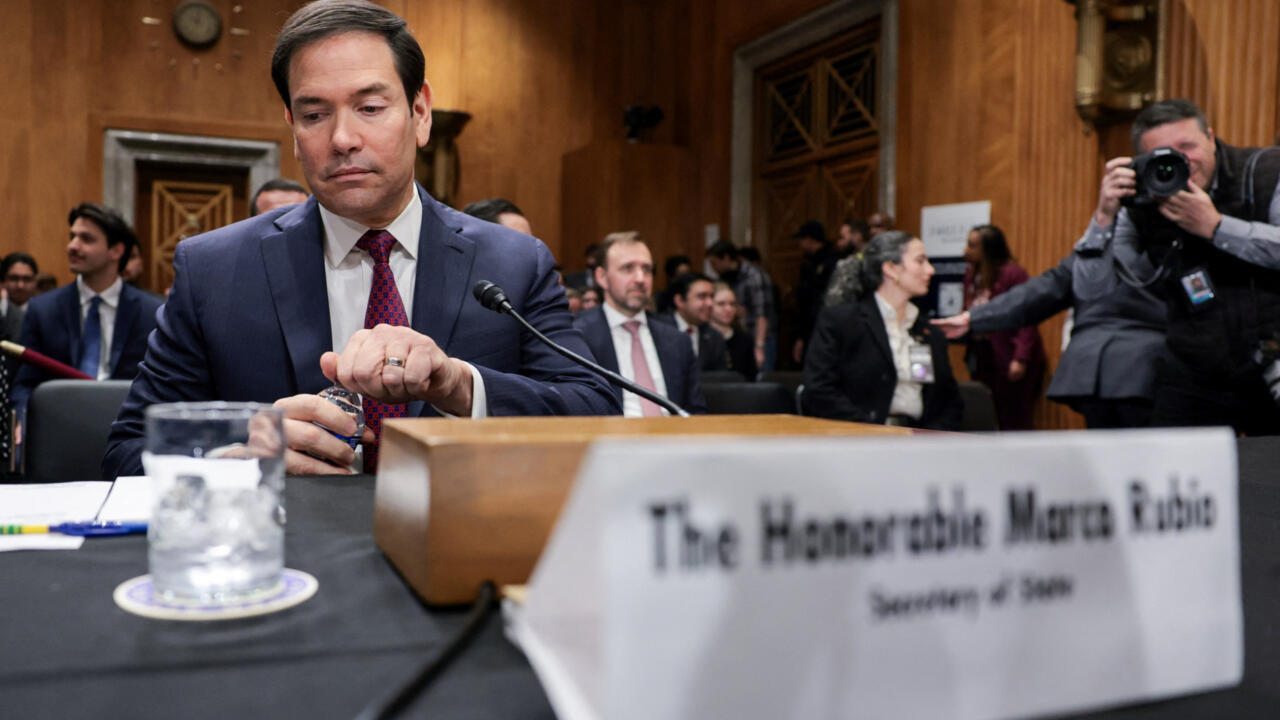
Secretary of State Marco Rubio indicated that the United States expects to re-establish a diplomatic presence in Caracas in the near term, following the recent US-backed military action that led to the toppling of the Nicolás Maduro administration. This move signals a rapid pivot in US foreign policy priorities toward stabilizing the political transition and securing regional interests.
Post-Intervention Venezuela: US Signals Swift Return of Diplomatic Footprint After Regime Change
WASHINGTON D.C. – The United States anticipates the swift reinstatement of its diplomatic mission in Venezuela, according to statements made by Secretary of State Marco Rubio on January 28. Speaking before senators during a review of the recent US intervention that concluded the Nicolás Maduro government, Rubio confirmed expectations for a near-future return of American envoys to the capital, Caracas.The announcement underscores the Biden administration's commitment to embedding itself quickly within the evolving political landscape of the South American nation. The diplomatic re-engagement is viewed by analysts as a crucial step in legitimizing the nascent transitional government and ensuring continuity in US-Latin American policy objectives.Since the dramatic conclusion of the Maduro regime—achieved through coordinated military and intelligence operations—Washington has focused intensely on managing the volatile security situation and addressing the ensuing humanitarian and economic crises. Re-establishing a physical diplomatic presence is essential for coordinating aid, verifying democratic reforms, and managing complex bilateral negotiations, particularly concerning oil sector assets and international sanctions relief.The return of formal diplomatic channels also carries significant geopolitical weight. It solidifies the US commitment to the political realignment in the region, contrasting sharply with previous years of maximum pressure and non-recognition. The speed of this pivot suggests a strategic calculation to fill the vacuum rapidly before other external actors, including China or Russia, can deepen their influence with the new administration.While the operational details and security assessments for deploying diplomatic staff remain sensitive, Rubio's timeline suggests that initial, likely smaller-scale, diplomatic contacts are already underway or imminent. The success of this transition, and the effectiveness of the subsequent US engagement, will be closely monitored by global markets and neighboring economies reliant on Venezuelan stability.Source Attribution: Based on reports from France 24 and subsequent official statements.