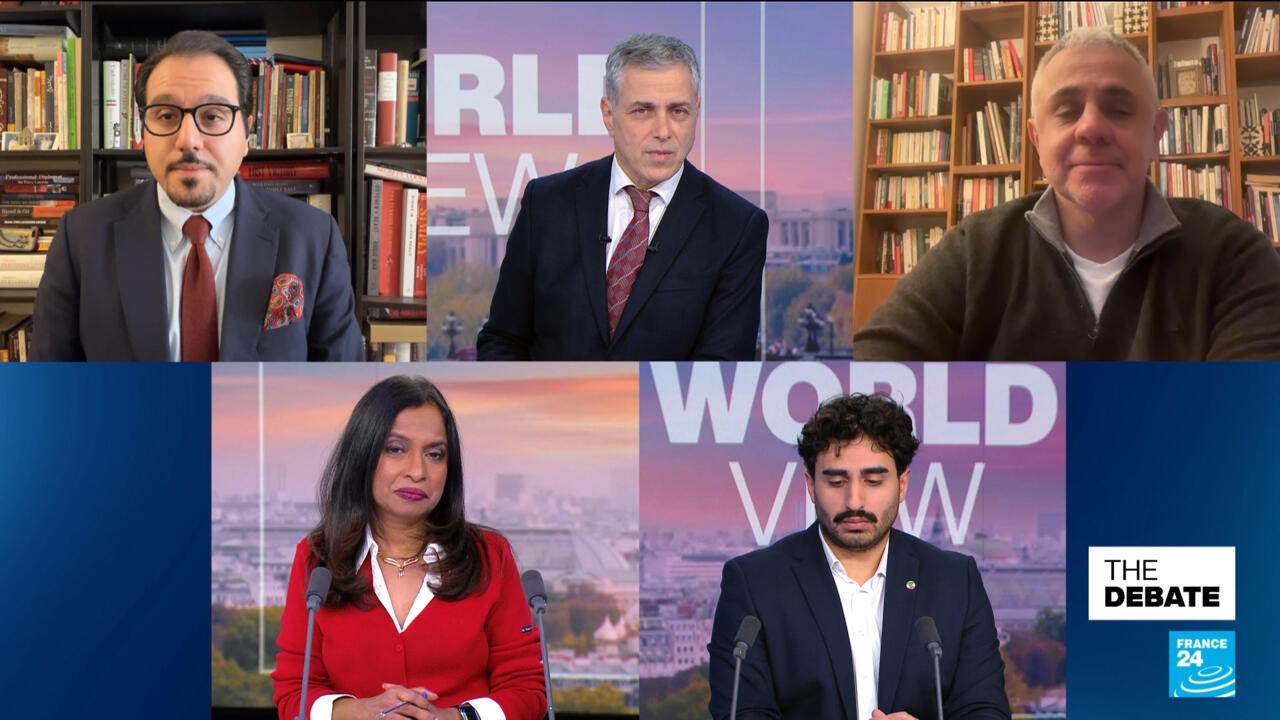
Following a prolonged period of national internet blackout coinciding with widespread New Year's protests, the Islamic Republic faces scrutiny over the true human cost of its crackdown. This event tests the regime's structural integrity against a backdrop of severe domestic inflation and complex international positioning.
The recent, severe suppression of nationwide protests in the Islamic Republic of Iran, marked by an extended, state-imposed internet blackout, raises critical questions regarding the sustainability and future trajectory of the ruling establishment. Initial reports, though fragmented due to the information siege, suggest a level of state violence potentially escalating to unprecedented levels, with figures circulating hinting at mass casualties.For the Iranian economy, already grappling with persistent high inflation—a primary catalyst for the unrest—the crackdown introduces a new layer of uncertainty. The regime's demonstrated capacity to enforce near-total information control for two decades signals a hardening of internal security mechanisms. This robust internal posture is being analyzed against the backdrop of recent external pressures, including the aftermath of Israeli-American strikes on nuclear infrastructure last summer, which arguably weakened the state's external deterrent capabilities.The central analytical pivot now concerns whether this ruthless consolidation of domestic authority translates into greater long-term regime strength or merely postpones inevitable economic and social reckoning. The ability to effectively sever national digital communication channels for the duration of the unrest is a significant operational victory for the security apparatus, suggesting a high degree of centralized command ability.Geopolitically, the situation reflects a complex recalibration of Western—particularly American—engagement in the region. While Washington had previously signaled a strategic pivot away from deep military presence, commitments regarding regional security remain under review. The deployment of US naval assets into the Gulf region, occurring concurrently with the crackdown, prompts debate over the nature of Washington’s intent: is this a signal of renewed pressure on Tehran, or a calculated adjustment in posture following shifts in allied priorities, such as Saudi Arabia's reluctance to support new military escalations?Furthermore, the context includes the evolving US commitment to regional partners, notably the perceived easing of support for Kurdish factions in neighboring Syria. This dynamic suggests a broader strategic realignment where counter-Iran pressure is being managed through a blend of economic sanctions and carefully calibrated military signaling, rather than overt intervention.Ultimately, the internal narrative emerging from Iran suggests a regime prioritizing immediate survival through overwhelming force. The true measure of its success, however, will depend on its ability to stabilize the deeply fractured domestic economy and manage the long-term alienation of a populace subjected to such severe repression. The experience of the recent unrest may prove to be a structural stress test that reveals latent fragilities beneath the veneer of restored order.Source Attribution: This analysis synthesizes information derived from reports concerning the recent events in Iran, including coverage by 'The Debate' series.