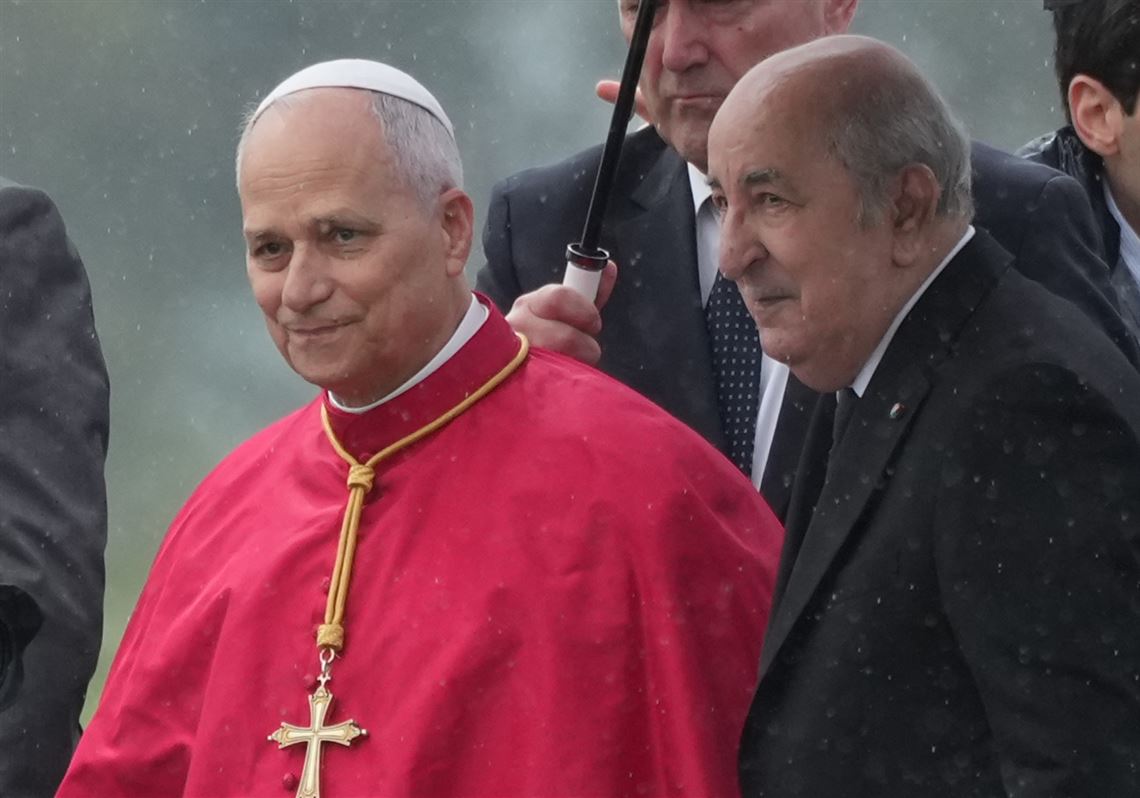
ALGIERS — Pope Leo XIV arrived in Algeria on Monday to begin a closely watched tour of Africa, marking the first-ever visit by a pontiff to the country. The Pope used his opening remarks to call for forgiveness, specifically honoring those who suffered during the country’s brutal war of independence against France, which lasted from 1954 to 1962.
Beyond addressing historical conflict, the visit is intended to promote Christian-Muslim coexistence, according to France 24. The pontiff also highlighted a personal connection to the region, noting that he intends to honor the locally born inspiration of his religious spirituality, St. Augustine.
Speaking to local leaders, the Pope appealed for universal peace. He urged nations to set aside historical grievances and prioritize dialogue over continued hostility.
A trip overshadowed by global volatility
The papal visit occurs against a backdrop of intense international instability. The ongoing conflict between the United States, Israel, and Iran has dominated the global narrative, casting a long shadow over the Vatican’s diplomatic efforts.
Adding to the tension is a vocal standoff between the Vatican and the White House. President Donald Trump recently launched a sharp, public attack against the Pope, though the pontiff has signaled he will not engage in a back-and-forth.
"I have no intention to debate with Trump," the Pope stated earlier today, dismissing the President’s criticisms. The Vatican continues to emphasize the spiritual nature of the mission, despite the mounting political pressure surrounding the delegation.
Observers note that the Pope's choice of Algeria as a starting point is deliberate. The visit aims to bridge historical divides between the Catholic Church and the North African nation, which maintains a deeply rooted Islamic identity.
As the trip progresses, security remains a primary concern for local authorities. The Vatican has not adjusted its itinerary, signaling a determination to move forward with the planned schedule of public engagements despite the volatile geopolitical climate in the region.