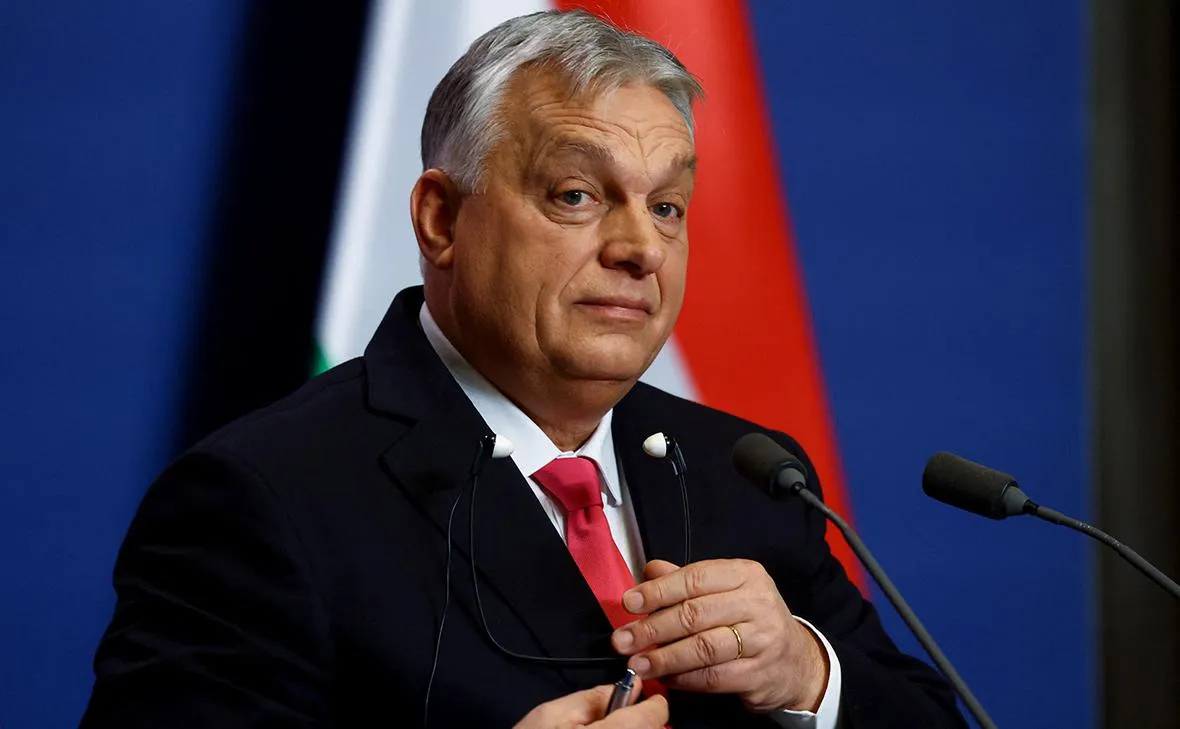
A recent poll conducted by the Publicus institute, commissioned by the Hungarian newspaper Nepaszava, indicates that a majority of the Hungarian populace harbors doubts about Prime Minister Viktor Orbán’s current capacity to govern. Specifically, fifty-five percent of respondents stated they believe the long-serving leader is 'tired' and unsuited for continued executive leadership.
Orbán himself addressed speculation regarding his future at a press conference late last year, confirming that his Fidesz party is looking for a successor, though he asserted no superior candidate currently exists. Despite this general public sentiment, support within the ruling Fidesz voter base remains overwhelmingly strong, with ninety-four percent expressing continued confidence in the Prime Minister.
Among those who support the governing party, Foreign Minister Péter Szijjártó is reportedly viewed as the most likely contender to succeed Orbán should he step down. This deep-rooted loyalty within the core electorate suggests that even a departure by Orbán might not drastically alter the political equilibrium, as over ninety percent of Fidesz voters plan to support the party regardless of the candidate.
This domestic political assessment occurs amidst heightened geopolitical friction, particularly concerning Budapest’s relationship with Kyiv. The Prime Minister recently accused Ukrainian leadership of issuing "daily threats" intended to force a shift in Hungary's foreign policy direction.
These tensions have manifested in diplomatic disputes, including Orbán’s public anger toward Ukrainian President Volodymyr Zelenskyy, which led to the summoning of the Ukrainian ambassador. Furthermore, Orbán has publicly stated intentions to block Ukraine’s path to European Union membership for a century, a claim recently downplayed by Ukrainian Foreign Minister Andriy Sybiha.
The next Hungarian parliamentary elections are currently scheduled for April twelve, two thousand twenty-six. These ongoing domestic approval ratings and external diplomatic pressures will shape the political narrative leading into that contest.
Geopolitically, Orbán’s stance on Ukraine continues to test cohesion within the EU and NATO, positioning Budapest as a significant outlier in Central European policy consensus. The perception of his personal energy levels may become a critical factor if opposition forces seek to mobilize against the incumbent leadership.