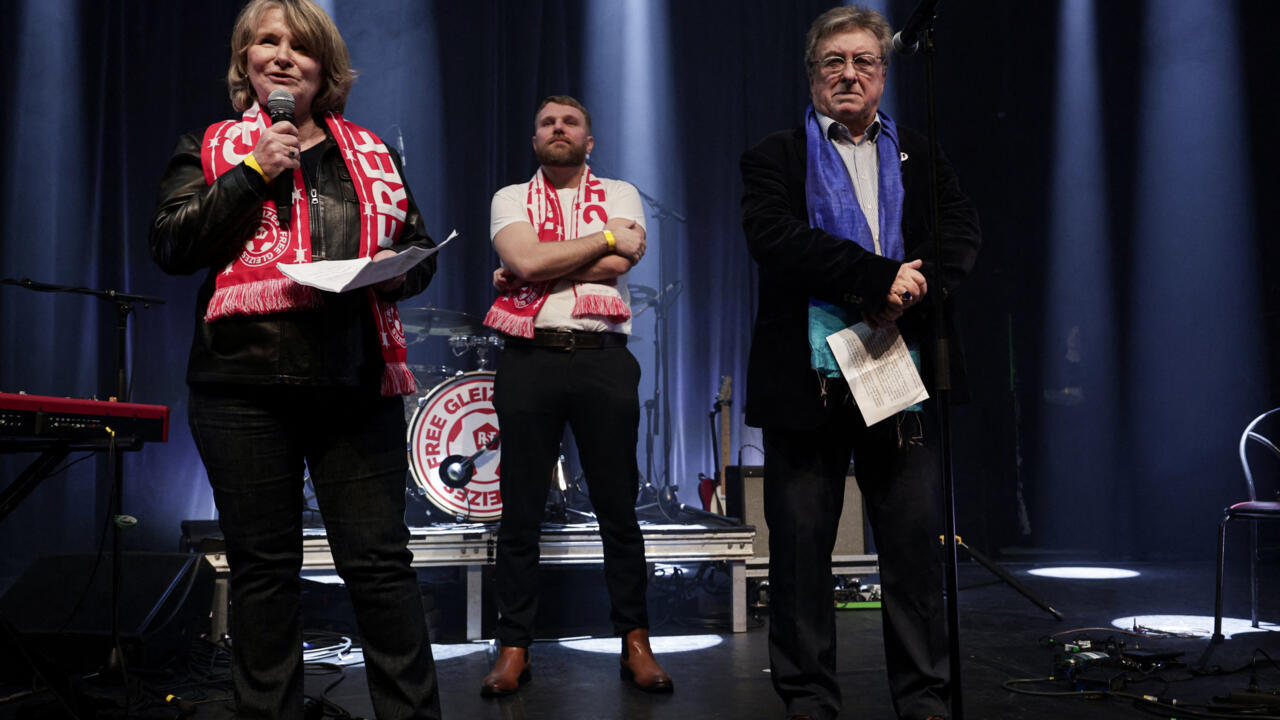
A convergence of French media figures, artists, and human rights advocates convened at the symbolic Bataclan concert hall in Paris on Thursday, directing international attention toward the plight of imprisoned French sports journalist Christophe Gleizes. Gleizes is currently serving a seven-year sentence in Algeria following conviction on charges described by supporters as politically motivated.
The core of the controversy revolves around Gleizes' professional activities. He was convicted for 'glorifying terrorism' after reportedly attempting to secure an interview with a local football executive known to have connections with a banned political organization. The severity of the sentence—seven years incarceration—has drawn sharp criticism from international press freedom watchdogs who view the ruling as an alarming precedent for journalistic inquiry in Algeria.
While the charges are rooted in Algerian domestic security concerns, the case carries significant geopolitical undertones. Franco-Algerian relations, often delicate, are frequently tested by judicial matters involving dual nationals or incidents touching upon security and sovereignty. The rally in Paris serves not just as a plea for clemency but as a public demonstration of French governmental and civil society concern.
Speakers at the event emphasized the chilling effect such convictions have on independent reporting within North Africa and the broader Mediterranean region. The presence of sports figures underscores the non-political nature of Gleizes' primary beat, suggesting the charges were disproportionate to the alleged offense of seeking information.
For Paris, the situation presents a diplomatic tightrope walk: balancing advocacy for a national citizen detained abroad with the necessity of maintaining productive, yet often strained, working relations with Algiers. The outcome of this case is being closely monitored by European Union bodies concerned with the rule of law in key regional partners.
This mobilization at a site resonant with recent French history—the Bataclan—amplifies the call for a review of the evidence and judicial process. The journalists' colleagues argue that the focus on 'glorifying terrorism' obscures the fundamental right to gather and disseminate news, even in sensitive jurisdictions.
As of this report, official channels in Algiers have maintained the legitimacy of the judicial process, framing the conviction as a matter of national security enforcement. However, the sustained pressure from French civil society suggests this issue will remain a persistent feature in bilateral diplomatic exchanges.
(Attribution: Based on reports from France 24 and associated press monitoring.)