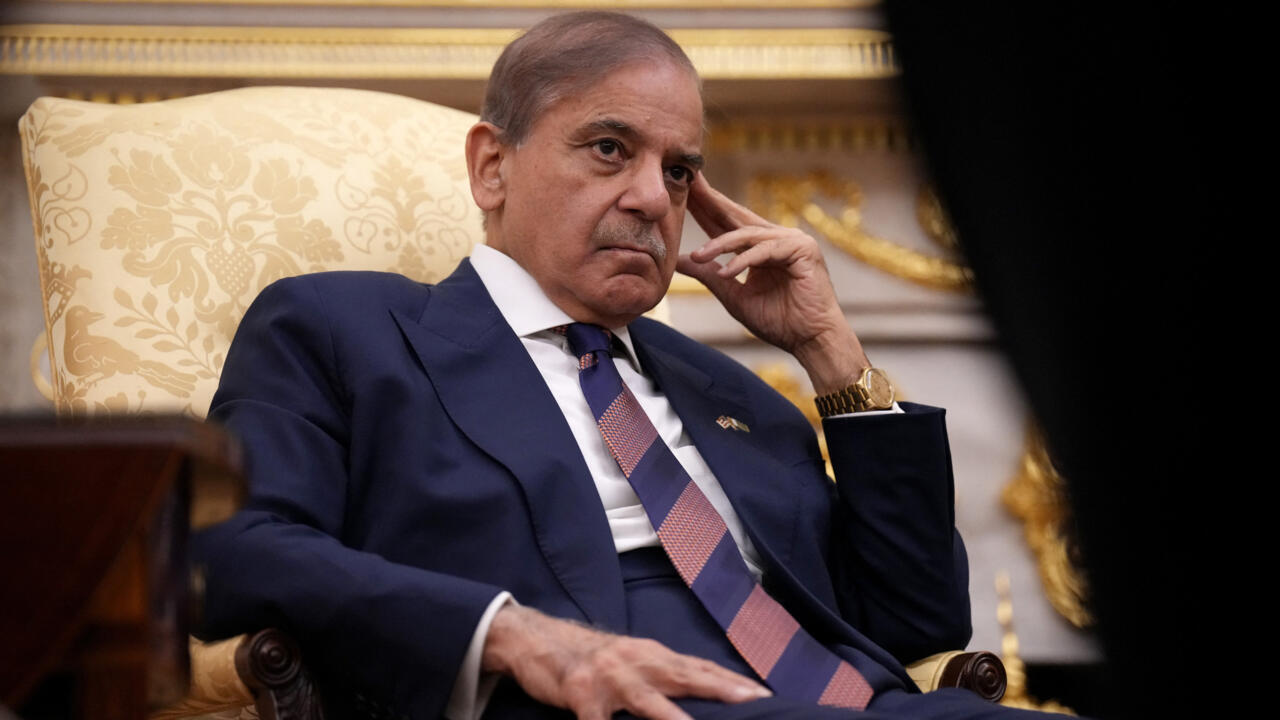
Islamabad has positioned itself as a critical diplomatic bridge in escalating tensions between Washington and Tehran. This development marks a significant shift in regional diplomacy as Pakistan seeks to prevent conflict spillover from affecting its own stability. The initiative comes amid heightened military posturing that threatens to destabilize the broader Middle East economic landscape.
According to analysis from the Atlantic Council, the Pakistani government is actively engaging both superpowers to de-escalate immediate threats. Officials in Islamabad reportedly emphasize their desire to avoid being drawn into direct hostilities while maintaining trade routes. This neutral stance offers a potential pathway for dialogue that bypasses traditional Western diplomatic channels.
Michael Kugelman of the Atlantic Council noted that conflict spillover risks are particularly acute in South Asia. He highlighted that Pakistan badly wants to avoid getting dragged into the war despite its strategic location. The geopolitical stakes involve energy security and regional supply chains that rely on stability along the Indian Ocean.
Previous mediation efforts by other nations have struggled to gain traction due to mistrust between the belligerents. Pakistan’s involvement suggests a willingness to take on greater responsibility for regional security architecture. This contrasts with historical reliance on larger powers like China or Russia to manage diplomatic friction in the region.
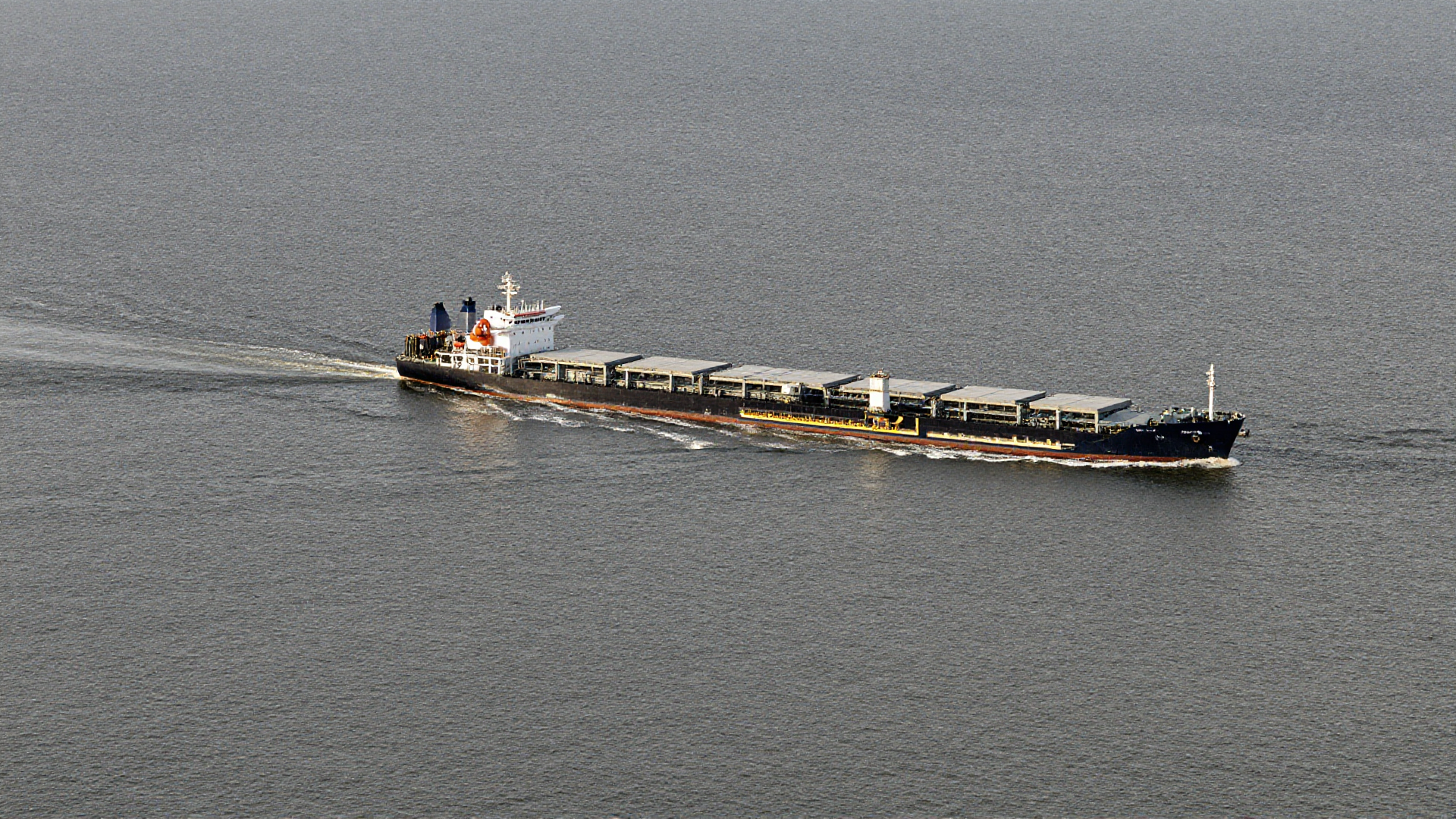
Economic implications are significant as global markets react to potential instability in the Middle East corridor. Investors monitor developments closely because disruptions could impact oil prices and shipping lanes vital for international commerce. Financial institutions are assessing risk exposure related to any escalation involving US assets or Iranian sanctions regimes. Supply chain disruptions could ripple through global markets affecting inflation rates.
Regional allies have expressed cautious optimism regarding this new diplomatic channel emerging from Islamabad. Neighboring countries watch closely to ensure that security guarantees do not compromise their own sovereignty. The success of these talks will depend on sustained commitment from all parties involved in the negotiations.
Diplomatic analysts suggest that such mediation roles often emerge during periods of maximum crisis intensity. Pakistan’s entry into this arena indicates a strategic pivot toward becoming a more influential voice in global security discussions. This evolution challenges traditional assumptions about which nations hold leverage in high-stakes international conflicts. Stakeholders are monitoring the situation closely for any signs of de-escalation protocols.
Looking ahead, the international community will observe whether these talks translate into concrete agreements or remain symbolic gestures. Continued engagement is necessary to build trust between adversaries who have long-standing historical grievances. The next few weeks will determine if this initiative gains momentum or faces renewed setbacks.