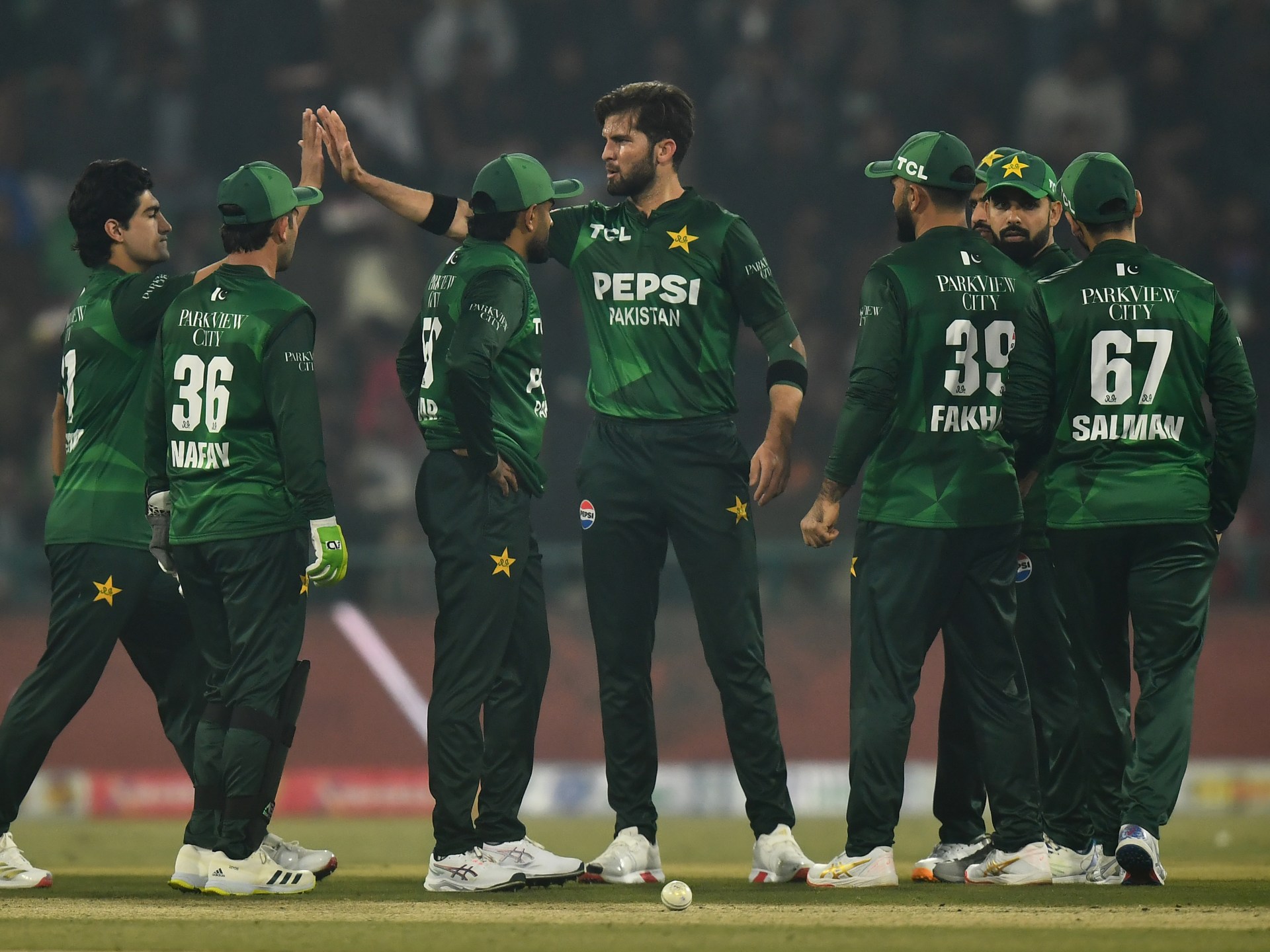
Pakistan’s government confirmed on Sunday that the nation will refuse to play its Twenty20 World Cup fixture against India, scheduled for February 15, though it intends to compete in the remainder of the tournament. While no explicit reason was provided by the Pakistan Cricket Board (PCB) initially, Interior Minister Mohsin Naqvi publicly blamed India for a series of coordinated attacks in Balochistan that killed dozens of civilians and security personnel on Saturday.
These attacks, which targeted police stations in Quetta and other areas, marked some of the deadliest incidents in Balochistan in decades, with reports indicating nearly 200 casualties among civilians and fighters. The outlawed Balochistan Liberation Army (BLA) claimed responsibility, stating the targets included military and civil administration officials via bombings and gun assaults in the mineral-rich province bordering Afghanistan and Iran.
Minister Naqvi asserted during a media address alongside the Balochistan Chief Minister that India was behind the planning of these terrorist acts, though he offered no immediate evidence to support the accusation, according to reports cited by AFP news agency. This direct governmental accusation injects significant geopolitical friction into the sporting event, which is co-hosted by India and Sri Lanka.
The decision mirrors, in part, dissatisfaction stemming from the International Cricket Council's (ICC) earlier exclusion of Bangladesh from the tournament, which was replaced by Scotland. Bangladesh was barred after the ICC rejected its request, citing security concerns, to shift its matches away from India to Sri Lanka.
Naqvi previously criticized the ICC for applying “double standards,” referencing past accommodations that allowed India to play matches in neutral venues when Pakistan hosted tournaments. Under a current agreement, Pakistan plays its World Cup games in Sri Lanka instead of India, a concession Pakistan now appears to be weaponizing in response to perceived slights against regional allies like Bangladesh.
Analysts suggest Pakistan’s boycott is a retaliatory measure connected to the ICC's handling of the Bangladesh situation, according to Dure Shahwar Bano, a lecturer at Kinnaird College for Women. Mathew John Moolakkattu, a researcher focusing on cricket diplomacy, linked the move to Pakistan and Bangladesh voting together against India's venue preference during earlier ICC discussions.
Pakistan forfeits two group-stage points due to the unilateral withdrawal from the match, immediately placing greater pressure on their subsequent fixture outcomes to secure advancement in the tournament. Observers suggest severe ICC sanctions, potentially including suspension, are now likely given the direct government intervention in the PCB’s operations, as noted by Moolakkattu.
The India-Pakistan fixture was anticipated to be the most-viewed event of the tournament, potentially generating substantial advertising revenue that broadcasters and the venue in Colombo will now forfeit. If both nations qualify for later stages, the political fallout and logistical complexities could severely overshadow the competition’s integrity.