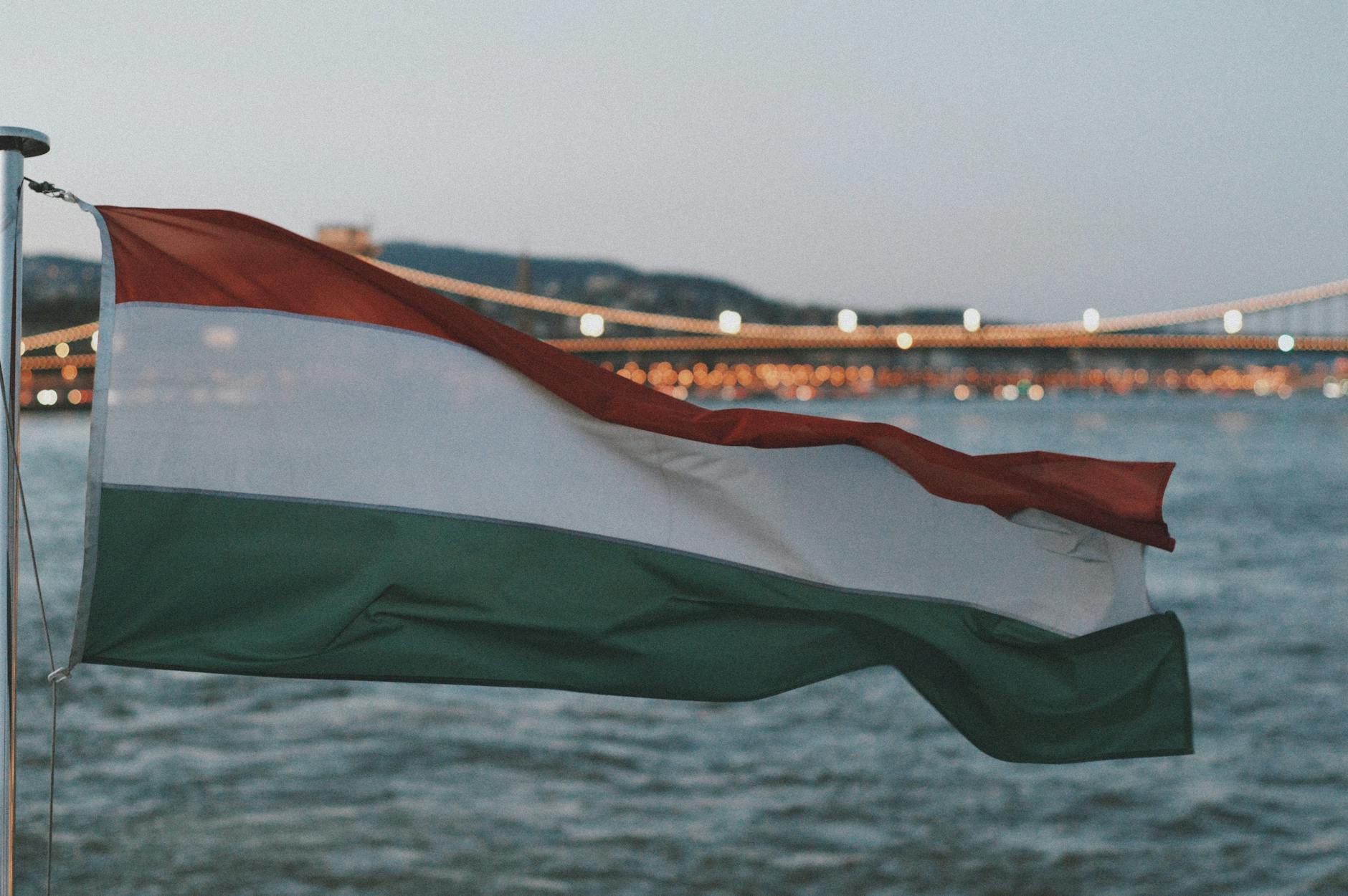
Péter Magyar’s Tisza party secured a landslide victory in Hungary’s recent elections, winning 67% of parliamentary seats and ending Viktor Orban's long-standing dominance. The results represent a major defeat for Orban, who had previously relied on narratives of national resurgence and ties to the Trump administration.
Magyar, a former ally of the incumbent, ran on a platform of liberal European integration and opposition to Orban’s alleged 'state capture.' The opposition successfully mobilized voters despite Orban’s strategy of alleging conspiracies involving Brussels and foreign NGOs.
In Peru, the presidential election concluded with 35 competing candidates, a record number that signals deep parliamentary fragmentation. The campaign focused heavily on corruption, rising insecurity, and alleged 'mafia pacts' within Congress.
Chaos in the Andes
Election officials in Peru faced significant logistical hurdles when 52,000 voters in southern Lima and the United States were unable to cast ballots due to a lack of electoral materials. The National Office of Electoral Processes (ONPE) ordered a follow-up vote for these citizens on Monday, even as the rapid count continued.
Rafael López Aliaga, a religious conservative who modeled his platform after Donald Trump’s MAGA movement, leveraged the logistical failures to allege widespread fraud. López Aliaga claimed the irregularities were more severe than those witnessed during the Maduro administration in Venezuela.
López Aliaga’s campaign promised to shrink the state by eliminating eight ministries and advocated for the El Salvador-style imprisonment of criminals. He also expressed open admiration for Trump’s unilateralist policies in the Caribbean.
Keiko Fujimori, daughter of the former president, entered the runoff as a frontrunner according to exit polls. Her campaign centered on the nation's rising crime rates and the need for improved governance.