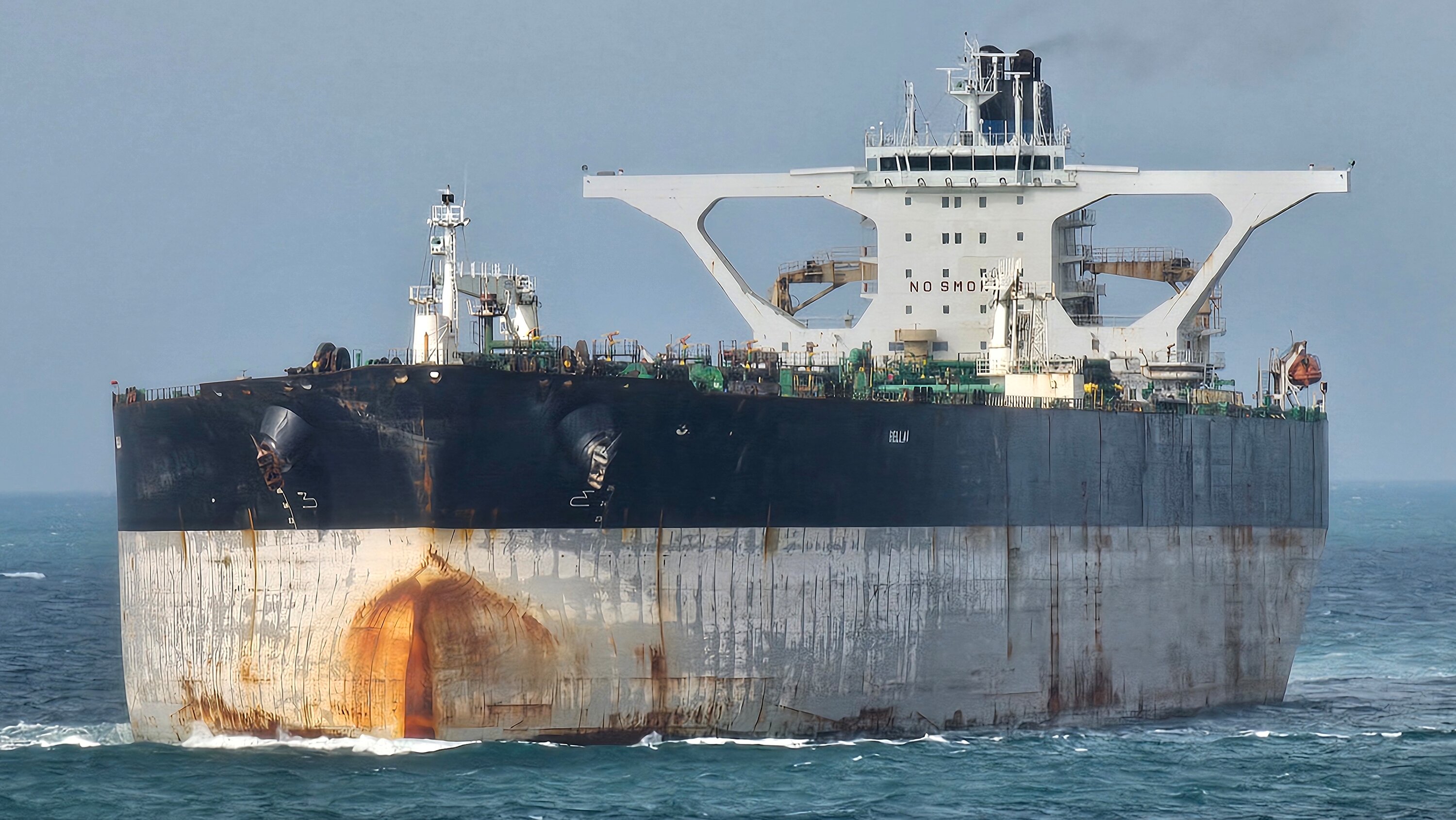
Global oil prices spiked more than 8 percent on Sunday, pushing the international benchmark above $103 per barrel. The surge followed President Donald Trump’s announcement that the U.S. military intends to enforce a naval blockade on Iran beginning Monday.
The blockade follows six weeks of escalating conflict between the United States and Iran. The resulting disruption at the Strait of Hormuz has severely constricted global energy transit, with data from maritime intelligence firm Windward showing daily vessel crossings have plummeted from 130 to just 17.
Market analysts warn that the current pricing environment is increasingly fractured. While headline prices reflect high-stakes futures trading, a growing gap has emerged between these electronic contracts and the cost of physical oil shipments.
A split between spot and futures
Oil markets currently operate under two distinct pricing mechanisms: physical spot sales and futures contracts. The spot price, or Dated Brent, tracks the cost of oil scheduled for delivery within the next 10 to 30 days. Futures contracts, by contrast, represent bets on deliveries months or years away.
"If someone wants oil for immediate delivery—rather than in the future—what matters is the spot price," said Pavel Molchanov, an investment strategist at Raymond James & Associates. While futures often dominate news cycles, he notes they reflect long-term expectations rather than the immediate reality of the energy crunch.
This distinction is critical as the global economy grapples with a daily shortfall of approximately 8 million barrels, according to estimates from market intelligence provider Kpler. Although Saudi Arabia has attempted to utilize alternative supply routes, the loss of transit capacity through the Strait of Hormuz remains one of the largest energy disruptions in history.
As the gap between spot and futures prices widens, the volatility continues to strain household budgets globally. The divergence highlights a mismatch between the immediate physical scarcity caused by the blockade and the speculative pressure driving the futures market.