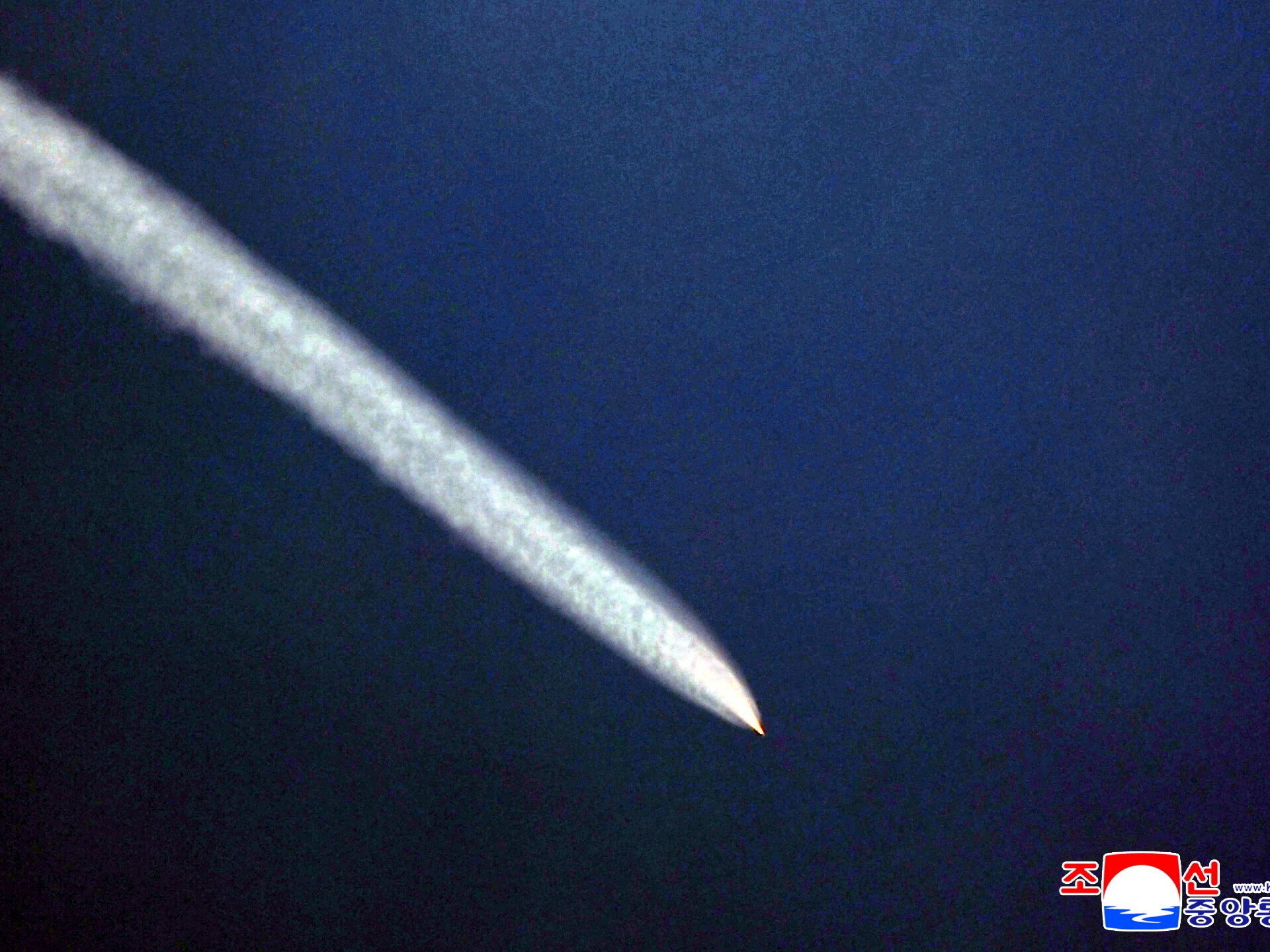
North Korea launched approximately 10 ballistic missiles on Saturday as the United States and South Korea commenced their annual Freedom Shield military exercises. The launches originated from the North’s west coast and traveled in a northeastern direction, according to defense officials in Tokyo and Seoul. This escalation marks the third such incident involving Pyongyang since the beginning of the year. The action underscores the volatility of the Korean Peninsula.
Japan’s Ministry of Defence stated the projectiles reached an altitude of 80 kilometres before landing near the East Sea. South Korea’s Joint Chiefs of Staff confirmed the trajectory and noted that no damage was reported to nearby vessels or aircraft. The missiles flew roughly 340 kilometres, remaining outside Tokyo’s exclusive economic zone. The trajectory suggests a test of range capabilities.
The missile fire coincides with the 10-day Freedom Shield drills involving thousands of troops from both nations. These exercises are scheduled to continue until March 19 and aim to enhance interoperability between the allied forces. The drills involve advanced weaponry and joint command structures. Pyongyang has consistently protested these maneuvers as provocative actions threatening regional stability.
Kim Yo Jong, the influential sister of North Korean leader Kim Jong Un, condemned the drills on social media. She accused Washington and Seoul of muscle flexing and destroying stability on the Korean Peninsula. Her remarks were disseminated through state media channels. Her statement reflects the regime’s standard response to heightened military activity near its borders.
Regional tensions are compounded by ongoing conflicts in the Middle East following US-Israel attacks on Iran. While global attention focuses on Tehran’s retaliatory strikes, Pyongyang continues to test its nuclear and missile capabilities. This simultaneous pressure on multiple fronts complicates diplomatic efforts across Asia and the Middle East. The dual focus on Asia and the Middle East stretches diplomatic resources.
Speculation persists regarding a potential meeting between US President Donald Trump and Kim Jong Un. The two leaders held three summits during Trump’s first term, though substantive progress remained limited. Their last meeting was in 2019 at the Demilitarized Zone. Recent comments from South Korean Prime Minister Kim Min-seok suggest Trump remains open to dialogue.
South Korean officials indicated that any summit could occur during Trump’s upcoming visit to China or afterward. The Prime Minister spoke on the sidelines of a meeting in Washington. Defense forces in the region have maintained a heightened surveillance posture against additional launches. Analysts warn that continued missile testing could trigger further sanctions or military responses from the United States.
The economic implications of such instability extend beyond the peninsula, affecting global shipping routes and energy markets. Investors monitor the situation closely as trade flows through the East Sea remain critical for regional commerce. Security concerns in the region often correlate with volatility in Asian equity markets. Market analysts are watching for any signs of trade restrictions.