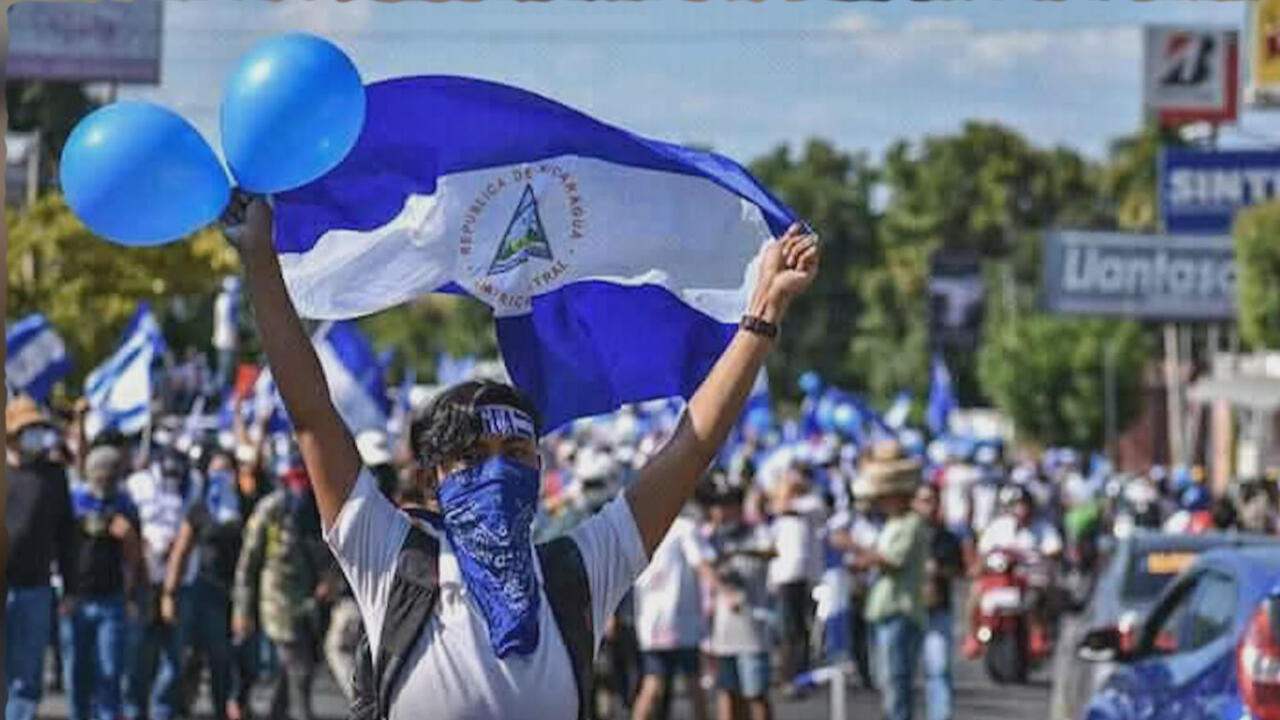
The Nicaraguan government, headed by President Daniel Ortega and his wife, Vice President Rosario Murillo, has severely restricted external observation following a deadly crackdown on anti-government protests in 2018. This action has resulted in the exile of political opponents and the shuttering of local independent journalism operations across the country. The resulting informational vacuum has prompted comparisons to highly isolated states, according to reports from organizations monitoring press freedom.
Foreign correspondents are currently barred from entering Nicaragua, enforcing a media blackout that obscures the nation’s internal political and economic conditions. Hundreds of thousands of Nicaraguans now reside in exile, primarily in neighboring Costa Rica, where they continue to voice opposition to the ruling couple. This mass exodus represents a significant drain on the nation's human capital.
Ortega and Murillo, once figures lauded for leading the 1979 Sandinista revolution against the Somoza dictatorship, now face widespread accusations of betraying those founding revolutionary ideals. Many former key leaders of that movement are reportedly imprisoned, exiled, or deceased, consolidating power within the current ruling structure. This concentration of authority appears absolute following recent constitutional amendments.
Reports indicate that the government has amended the constitution to grant the ruling couple what analysts describe as virtually absolute executive control over state functions. This institutional consolidation secures their grip on power indefinitely, further eroding democratic accountability mechanisms established after the revolution. Such moves signal an entrenched authoritarian trajectory for the Central American state.
Economically, Nicaragua remains the second-poorest country in the Americas, a status exacerbated by internal instability and reduced foreign investment due to governance concerns. The lack of transparency hinders accurate assessment of national fiscal health and the impact of international sanctions, if any are imposed.
Efforts by international bodies to investigate human rights conditions within Nicaragua have been routinely rebuffed by Managua, which cites national sovereignty as a defense against external interference. Organizations attempting to document conditions often rely on testimonies gathered from the Nicaraguan diaspora community based outside the country’s borders.
For global markets and diplomatic bodies, the escalating isolation presents a significant challenge for engagement, requiring reliance on indirect intelligence gathering. The trajectory suggests that sustained international pressure, likely coordinated through regional blocs, may be required to prompt any meaningful political opening.