Israel's intelligence agency Mossad has initiated a covert recruitment drive targeting citizens within Iran. The operation seeks information regarding the Islamic Revolutionary Guard Corps and senior regime officials. This move marks a significant escalation in intelligence gathering efforts ahead of potential regional conflict in 2026.
According to a report by France24, the campaign explicitly invites individuals to contact Israeli services with actionable data. Sources indicate that the recruitment efforts focus on gathering intelligence on military and political leadership structures. Participants are reportedly promised protection, though the reality of such assurances remains unclear.
Those who cooperate face severe consequences if discovered by Iranian security forces. Punishment for collaboration can range from imprisonment to execution under current Iranian law. The high stakes involved suggest that only individuals with significant access or deep grievances would participate.
This strategy mirrors previous intelligence operations conducted by Western agencies in hostile territories. Historical precedents show that human intelligence networks often yield critical data compared to technical surveillance. Analysts note that such campaigns aim to weaken internal cohesion within the targeted state.
The timing of this announcement coincides with heightened diplomatic friction between Israel and Tehran. Regional tensions have surged following recent strikes and counter-strikes involving proxy groups. Intelligence gathering is now viewed as a primary component of the broader security strategy.
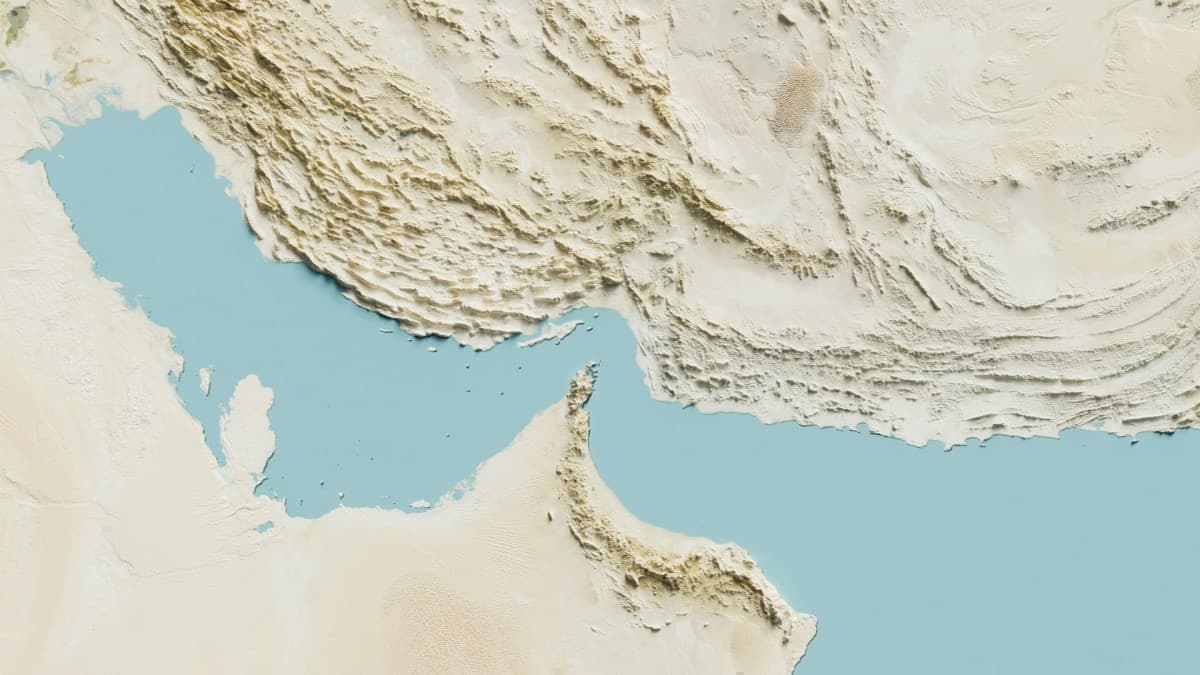
Global energy markets face potential volatility if the intelligence leads to targeted sanctions or military actions. Disruption to the energy sector remains a concern for economies dependent on Persian Gulf oil exports. Oil prices could rise by 5% if supply chains are disrupted.
Future developments will depend on the success of the recruitment network and Iranian counter-intelligence responses. Governments in the region are likely to increase security protocols for government employees. The international community will watch for any direct military escalation resulting from leaked information.