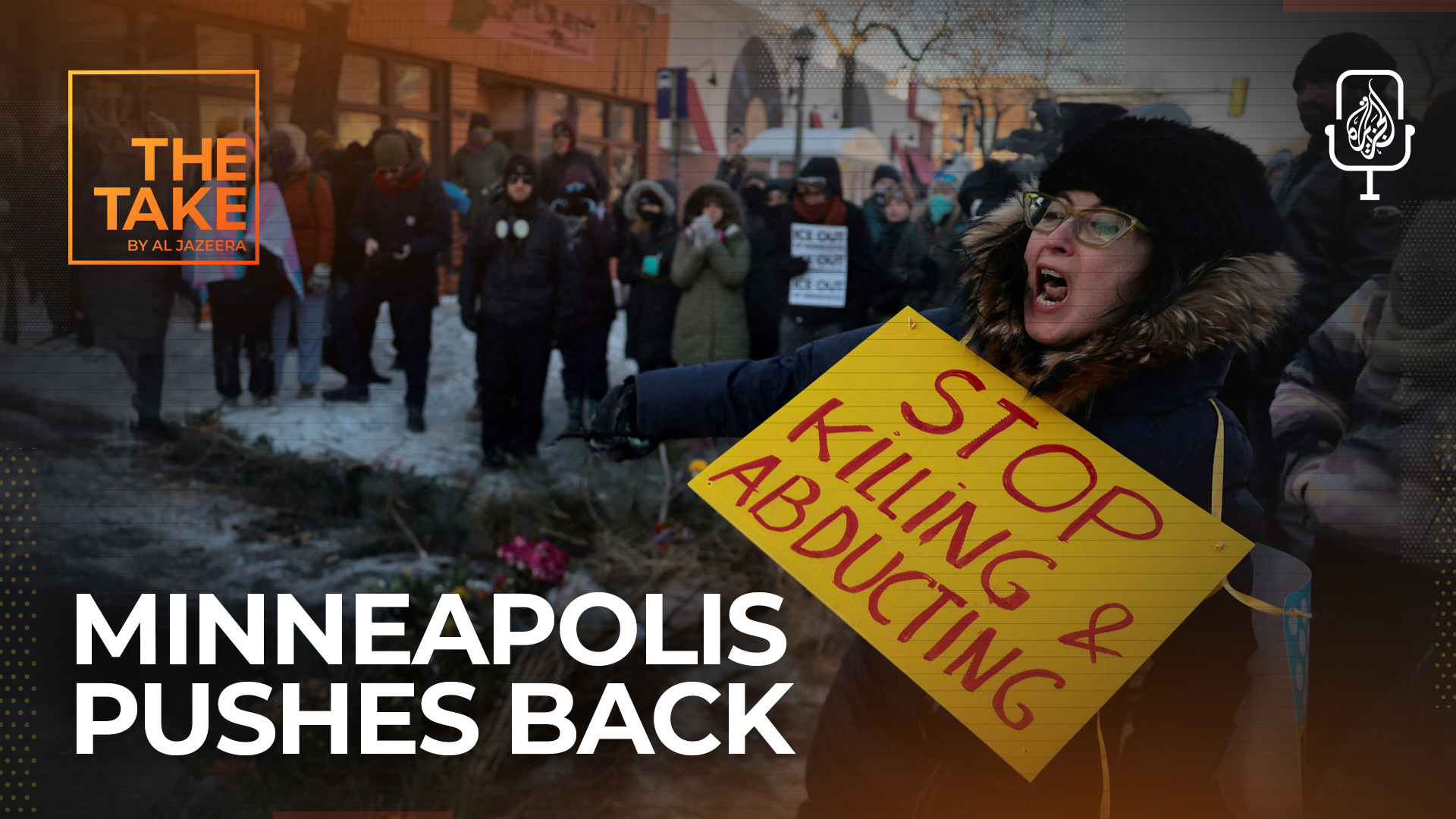
Minneapolis is witnessing the organized mobilization of local rapid response networks and mutual aid collectives in response to increased federal immigration enforcement activity. These coordinated actions aim to provide immediate support and documentation for targeted individuals, reflecting a deepening commitment to community defense among local activists. The situation underscores heightened tensions regarding federal jurisdiction within the city's boundaries.
Organizers are reportedly drawing organizational lessons from the sustained movements that developed following the 2020 police killing of George Floyd. This historical context informs the current strategy of building resilient, sustained infrastructure capable of rapid deployment when federal agents are present. The sustained nature of this organization suggests a long-term commitment to community oversight of law enforcement actions.
Reports indicate that these networks function to monitor and document interactions between federal agencies and residents across various neighborhoods in Minneapolis. The objective is transparency and immediate intervention to protect community members from apprehension or deportation proceedings. Such documentation efforts are crucial for accountability mechanisms at the local level.
This localized resistance effort gained significant attention following the fatal shooting of observer Alex Pretti by federal immigration agents. The incident serves as a stark reminder of the risks undertaken by individuals monitoring these sensitive operations. The death reportedly galvanized further commitment among existing mutual aid groups to increase operational security and coordination.
According to reports from Al Jazeera's 'The Take' episode, the organization behind these responses is highly decentralized yet operationally effective. The structure allows for quick adaptation to shifting federal tactics, which often vary based on intelligence and operational tempo. This flexibility is a key strategic advantage for community defense efforts.
Economically, sustained civil unrest or disruption near key logistical hubs, often the site of enforcement actions, can introduce minor but measurable friction into local commerce and labor flows. While the primary focus is social justice, the economic geography of these actions impacts local business continuity.
The ongoing organizational efforts represent a significant evolution in local activism, moving from reactive protest cycles to proactive, structured defense mechanisms. Future activity will likely center on securing resources and expanding training for new volunteers to maintain operational readiness against federal incursions.