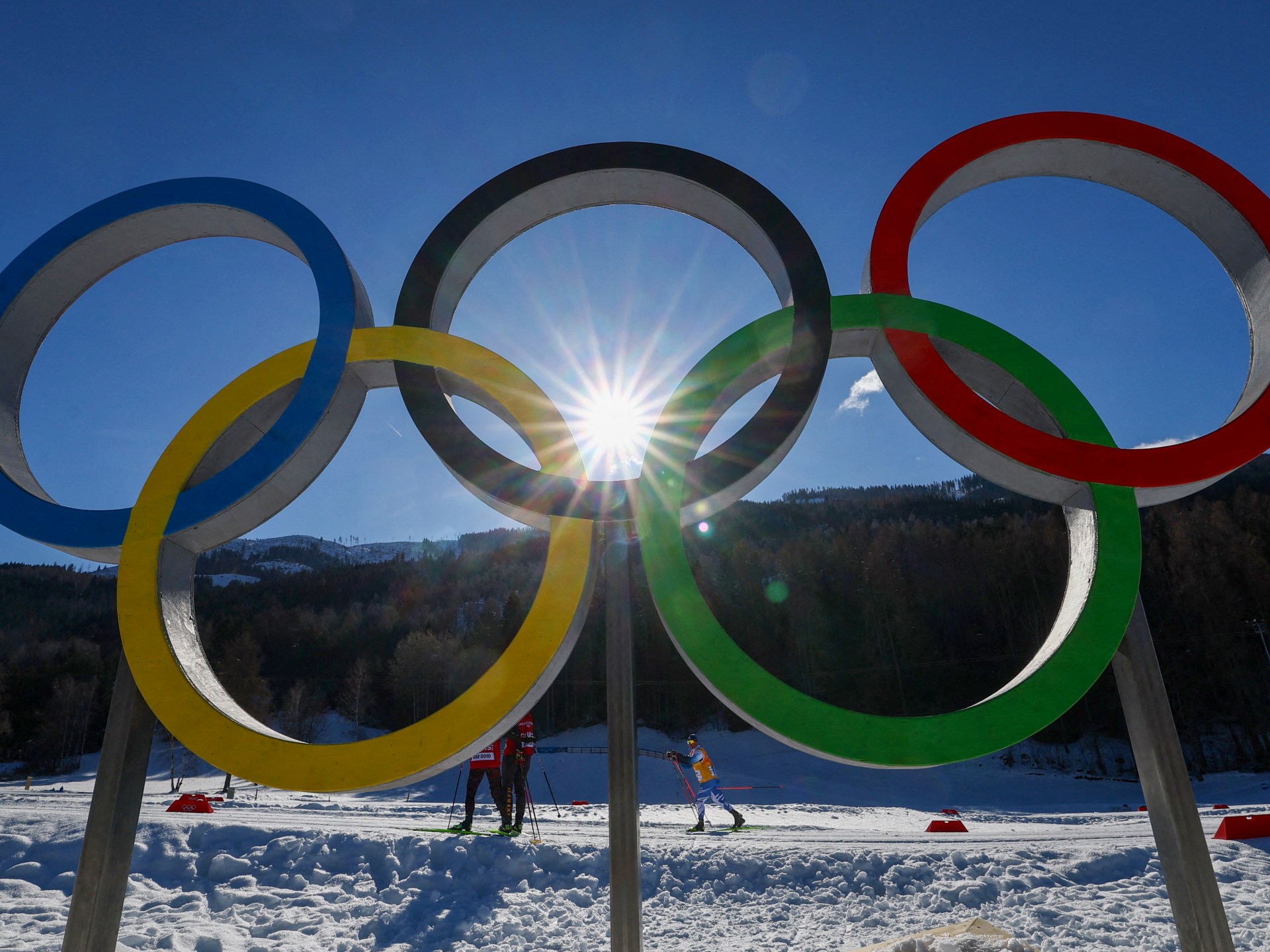
The 25th Winter Olympic Games are scheduled to commence in Milan-Cortina, Italy, featuring approximately three thousand five hundred athletes competing across 116 events over nineteen days. This staging marks the return of the Winter Games to the Alps for the first time in two decades, encompassing 16 distinct disciplines.
The opening ceremony will adopt an unconventional, multi-location approach, centered at Milan’s San Siro Stadium, with satellite celebrations planned in Predazzo, Livigno, and Cortina d’Ampezzo. Verona is slated to host the concluding ceremony for the Olympics and later the opening of the Paralympic Games on March sixth, according to reports from Al Jazeera.
The Games' structure emphasizes geographic dispersal, divided into four primary clusters spanning Milan, Valtellina, Cortina, and Val di Fiemme. This arrangement makes Milan-Cortina 2026 the most widely distributed Winter Games ever staged. Italy aims to leverage this event to provide lasting economic benefits through tourism and transport upgrades, as projected by the Italian government.
The overall budget stands at 5.2 billion euros, comprising three point five billion euros in public funds allocated for infrastructure development and one point seven billion euros sourced from private investment for organizational needs. Transport Minister Matteo Salvini cited projections indicating revenues could surpass five point three billion euros against the total investment.
Security planning involves coordination among Italian authorities and foreign agencies, notably the US Department of State confirming support from federal bodies including Immigration and Customs Enforcement (ICE) for visiting Americans. However, Italy's Ministry of Interior stressed that all operational security on Italian soil remains exclusively under national direction, confining ICE personnel to US diplomatic offices.
Key competitive draws include the debut of ski mountaineering, or 'skimo,' which will feature sprint races and a mixed relay event. Additionally, National Hockey League (NHL) players are expected to participate for the first time since the Sochi 2014 Games, potentially elevating the profile of the ice hockey tournament.
Norway is again projected to lead the medal count, following their top finishes in 2018 and 2022, facing expected challenges from established powers such as the USA, China, Germany, and Canada. Furthermore, the event is set to achieve the highest gender balance in Winter Games history, with female athlete quotas exceeding forty-seven percent.
Broader implications involve the economic stimulus for Northern Italy and the logistical precedents set by such a widely dispersed sporting event. The broadcast rights are secured by major international holders, including NBC Olympics in the US and the BBC in the UK, ensuring high global visibility for the events.