Members of the opposition in the Mexican Senate are calling for President Claudia Sheinbaum to withdraw her electoral reform initiative known as Plan B. According to reports from El Universal, lawmakers argue that the lack of consensus among political forces undermines the stability of the nation. They believe the proposal poses a risk to democratic institutions if it proceeds without broader agreement. Critics insist the government should retreat before further damage occurs to the system.
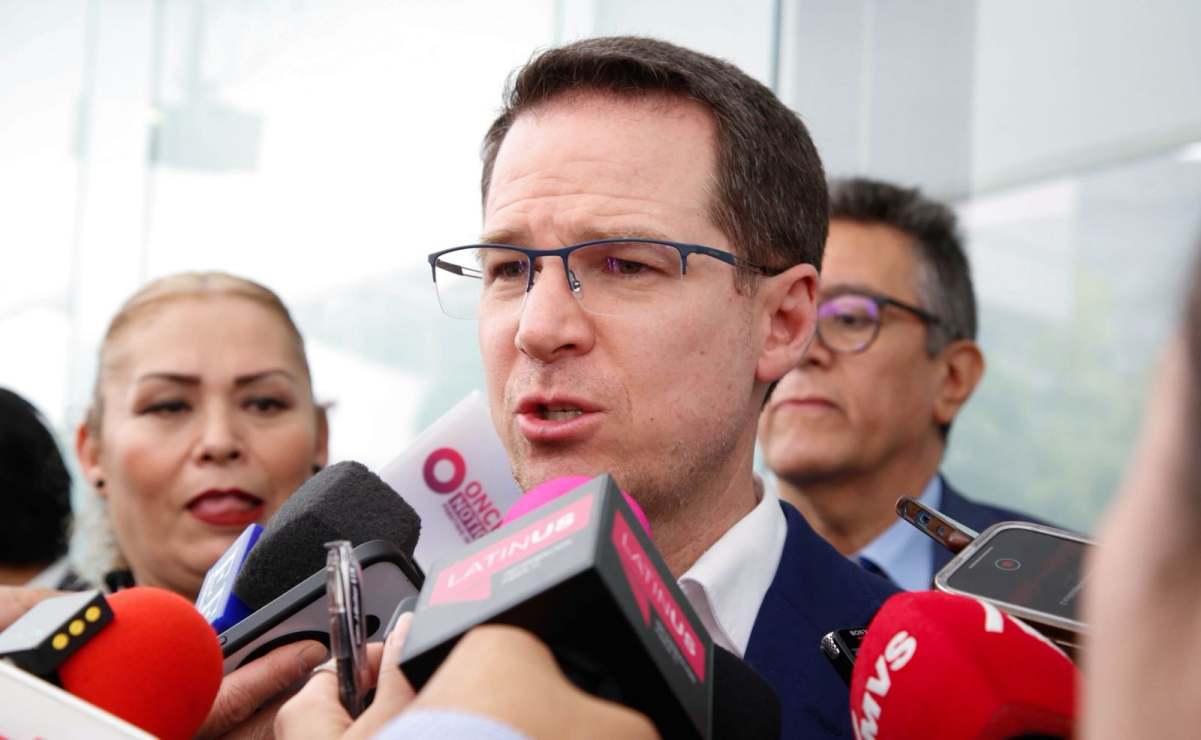
Ricardo Anaya Cortés, coordinator of the PAN congressional bench, stated that the initiative does not serve the country. He noted that even allies of the ruling Morena party, such as the Party of the Workers, oppose the proposal. The coordinator emphasized that the government must withdraw the measure immediately to avoid further damage. He described the current state of the plan as a significant failure in policy design for the legislature.
Anaya argued that the plan fails to address the core problem of criminal financing in political campaigns. He claimed that narcotrafficking money currently controls candidates and requires a stronger legal framework. He stated that the current proposal ignores the need to stop this flow of illicit funds. He warned that without addressing this, the democracy remains compromised regardless of procedural changes.
Regarding fiscal responsibility, the opposition contends the reform would increase costs instead of reducing them. Anaya pointed to Article 115, which suggests an increase in municipal councilors rather than a decrease. He highlighted that only 59 municipalities have more than 15 councilors while over 1000 have fewer than 7. This data suggests the plan contradicts its own stated financial objectives.
This disparity means the initiative would require hiring more local officials in the vast majority of municipalities. Consequently, the budgetary savings claimed by the government would not materialize under the current text. Critics warn this could strain local finances significantly during a period of economic uncertainty. The proposal fails to deliver on its promise of efficiency for taxpayers in the region.
Clemente Castañeda, coordinator of the Movimiento Ciudadano fraction, described the initiative as lacking substance. He suggested that budgetary issues for legislatures could be resolved without a constitutional amendment. Castañeda argued that state legislatures decide their own budgets and could reduce expenses independently. He maintained that a complex reform is unnecessary for simple administrative adjustments.
The coordinator also criticized the manipulation of the revocation of mandate figure in the proposal. He argued that aligning the revocation process with the federal election of 2027 poses a high risk. He warned that the mechanism could become a tool for the government rather than citizen empowerment. This alignment creates potential conflicts of interest for the incumbent administration.
Resistance to the project is reportedly evident among some allies of Morena within the Senate. Both opposition leaders acknowledged the value of the Party of the Workers for rejecting the simultaneous vote. This internal friction suggests the initiative faces significant hurdles in the legislative process. Sources indicate that public dissent within the coalition is growing steadily.
The stalemate highlights deep divisions regarding how to balance electoral integrity with fiscal constraints. Without a consensus, the reform risks stalling in the legislative body for the foreseeable future. Observers suggest the government may need to renegotiate terms to avoid political fallout. The delay impacts the broader timeline for upcoming electoral preparations.
The situation underscores the challenges facing the administration as it attempts to implement structural changes. Future developments will depend on whether the ruling coalition can secure broader support. Investors will likely monitor the outcome closely for implications on political stability. Continued uncertainty could affect market confidence in Mexican governance structures.