Governors from northern Mexican states have voiced strong opposition to proposed trade tariffs from the United States, according to recent reports. This development highlights growing tensions between local authorities in Mexico and federal trade policies originating from Washington. The coverage details the specific economic concerns raised by regional leaders regarding the impact on cross-border commerce. They warn that immediate implementation could jeopardize thousands of local jobs.
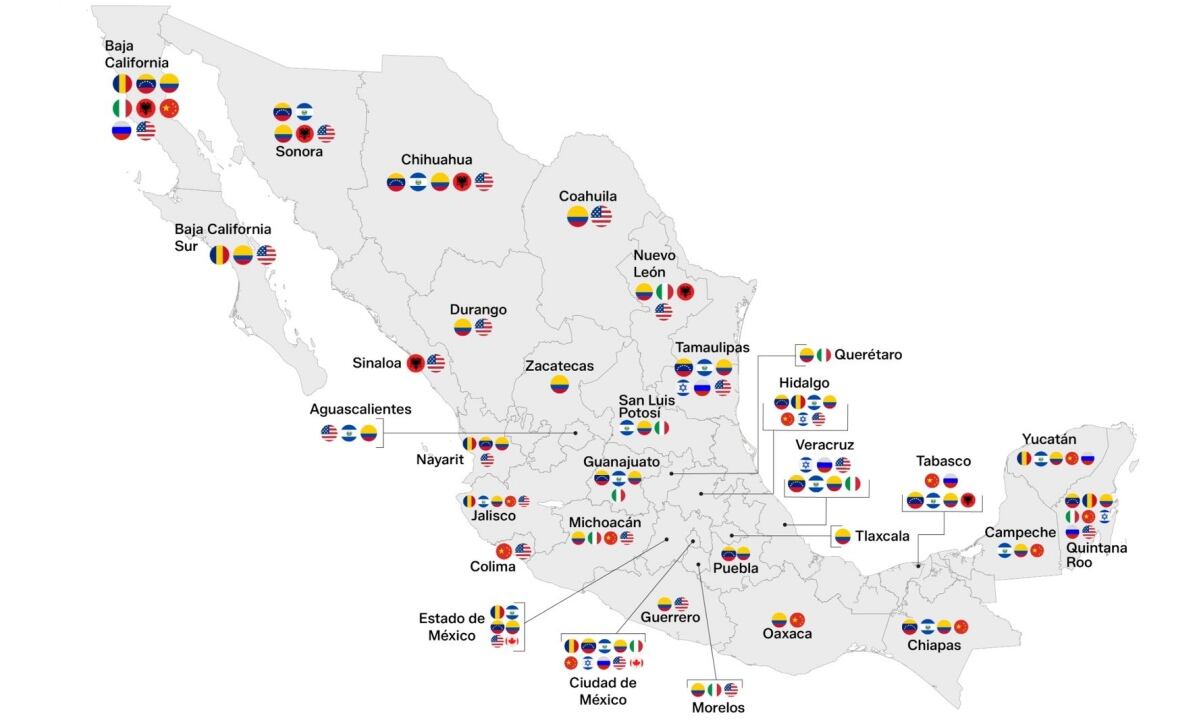
Chihuahua, Nuevo León, and Sonora were identified as the primary states voicing their dissent against the proposed measures. These regions host significant manufacturing hubs that rely heavily on integrated supply chains with American counterparts. Officials argue that sudden tariffs could disrupt production schedules and increase operational costs for local industries. The automotive sector remains particularly sensitive to such policy shifts.
Animal Político reported that the governors emphasized the vulnerability of the northern border economy to external protectionist policies. They noted that many factories operate under just-in-time models that cannot absorb sudden increases in import duties without significant financial strain. The criticism underscores a potential rift between state-level priorities and national diplomatic strategies.
The proposed tariffs could affect three key sectors such as automotive manufacturing and agriculture which dominate the northern manufacturing base. Industry analysts suggest that even minor changes in duty rates might trigger a reduction in foreign direct investment from multinational corporations. Companies often weigh political stability and trade stability when deciding where to expand their operations in Latin America.
Previous trade agreements like the United States-Mexico-Canada Agreement established frameworks intended to minimize such disputes. However, recent political rhetoric from the United States has introduced uncertainty into the long-standing economic partnership between the two nations. This volatility creates challenges for businesses trying to plan capital expenditures over the next fiscal year.
Economic data indicates that northern states contribute disproportionately to Mexico’s total gross domestic product compared to southern regions. Any disruption in trade flows would therefore have a measurable impact on national economic growth rates for the coming quarter. Local leaders are urging the federal government to prioritize negotiations that protect regional economic interests above all else.
The reaction from these governors reflects a broader pattern of state-level pushback against centralized foreign policy decisions in Mexico. Historically, border states have often taken a more pragmatic approach to international relations to ensure continued commercial activity. This dynamic suggests that future trade negotiations may require direct engagement with regional authorities as well as federal officials.
Observers will be watching closely to see if these complaints lead to formal diplomatic requests or public statements at the federal level. The outcome of these negotiations could set a precedent for how Mexico handles other potential trade disputes with its northern neighbor. Continued monitoring of US policy announcements remains essential for stakeholders in the Mexican economy.