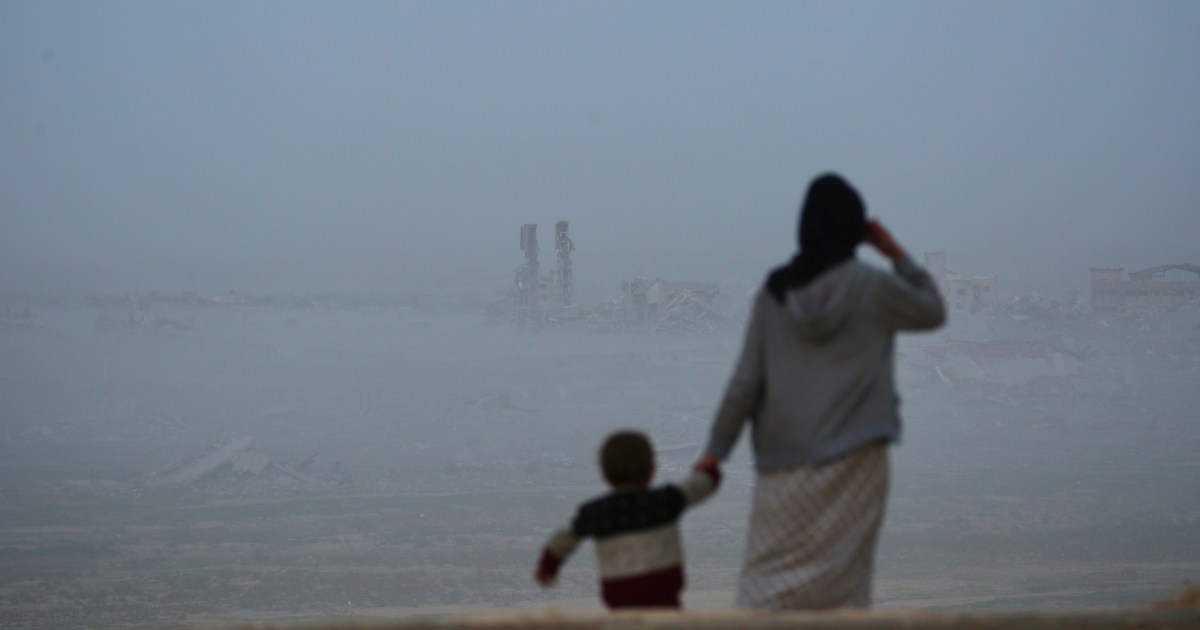
Reports emerging from the Gaza Strip detail a critical shortage of basic medical supplies, illustrating the immediate humanitarian consequences of ongoing access restrictions. One account describes a nine-year-old boy suffering severe neurological spasms due to the complete unavailability of the muscle relaxant baclofen within the enclave. This specific incident highlights the broader breakdown in the medical supply chain, affecting treatments for chronic conditions and acute pain, according to sources detailing the situation.
This scarcity extends beyond specialized medication, encompassing antibiotics and painkillers that are reportedly being blocked from entry into Gaza. The inability to secure fundamental treatments presents a severe challenge for displaced populations sheltering in areas like al-Mawasi. The lack of alternative medications means patients endure severe, untreated symptoms, as documented by relatives attempting to source supplies through hospitals and aid organizations.
Simultaneously, geopolitical commentary suggests an active effort to reshape the historical memory of the conflict, a development analysts suggest constitutes a 'next phase' of the crisis. Remarks attributed to former US Secretary of State Mike Pompeo indicated a desire for historical accounts to minimize focus on Gazan victims, framing them instead as unintended consequences of military action. Such statements are interpreted by observers as an attempt to de-emphasize civilian suffering in official narratives.
This narrative contestation extends to international institutions and digital platforms, according to observers tracking information flow. The United Nations Relief and Works Agency for Palestine Refugees (UNRWA) is reportedly facing systematic undermining, which impacts its mandate to preserve refugee status documentation. Furthermore, social media platforms are allegedly restricting pro-Palestinian content, complicating direct testimony from the region.
Such documented control over narrative and memory, commentators argue, runs parallel to the physical humanitarian crisis on the ground. The concept of bearing witness, rooted in historical and religious lexicons, is invoked by those documenting the suffering. They assert that the persistence of individual stories, despite systemic efforts toward erasure, preserves the factual record of events.
International legal frameworks and domestic policies in allied nations are also reportedly being utilized to shape public discourse surrounding the conflict. The weaponization of local laws against pro-Palestinian advocacy in several Western nations is noted as another vector in controlling the permissible conversation. These actions collectively frame a complex environment where access to medicine and access to voice are both reportedly constrained.
The broader implication involves the long-term documentation of the conflict and accountability under international law. If official narratives successfully minimize or omit the scale of civilian impact, future historical and legal assessments could be fundamentally altered. The ongoing medical emergency remains a stark physical counterpoint to these narrative maneuvers.