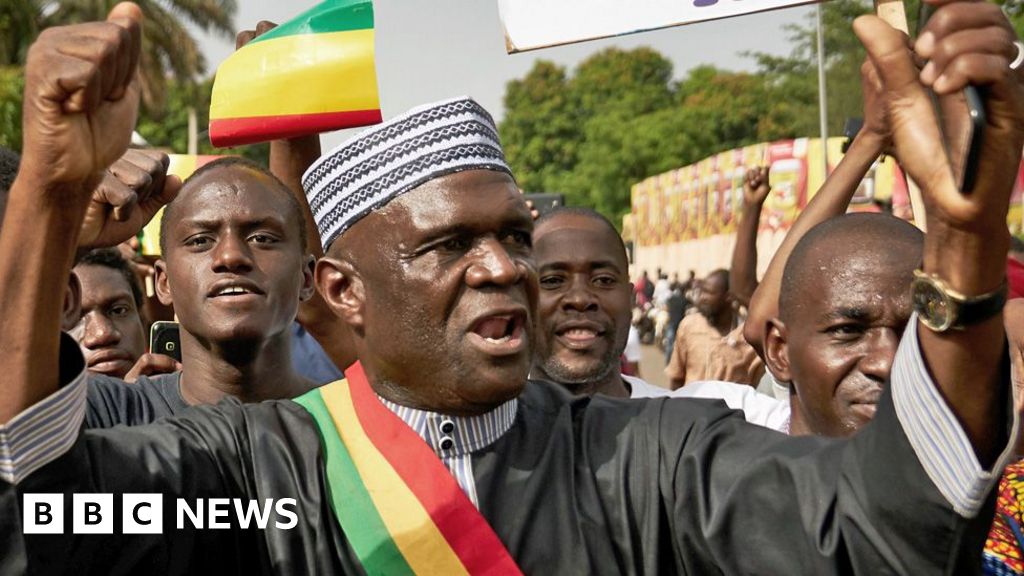
Malian lawmaker Mamadou Hawa Gassama received a three-year prison sentence in Ivory Coast for insulting President Alassane Ouattara, according to reports from Abidjan. Gassama, a member of the transitional parliament established by Mali’s military junta, was detained in July while visiting the neighboring country. Prosecutors successfully argued that the lawmaker’s televised comments and social media posts, which labeled the 84-year-old Ivorian leader a "tyrant" and an "enemy of Mali," aimed to undermine Ivorian institutions.
This conviction highlights the heightened diplomatic tension between Bamako and Abidjan since the Malian military seized power in 2020. President Ouattara, a key regional ally of France, has publicly criticized the series of coups that have destabilized the broader West African region. The Malian authorities in Bamako have reportedly offered no official comment regarding the conviction of their MP.
Gassama’s defense counsel, Mamadou Ismaila Konate, described the ruling to AFP as "excessive" and "very severe," suggesting the penalty outweighs the alleged offense of political critique. The Ivorian prosecution framed the remarks not merely as dissent but as a deliberate effort to sow discord between the two nations.
The incident recalls a significant diplomatic standoff from two years prior, when Mali sentenced 49 Ivorian soldiers to 20 years for allegedly undermining state security. Ivory Coast maintained the soldiers were part of a UN mission deployed to combat Islamist militants in the Sahel, and they were ultimately released following mediation led by Togo.
Mali's ruling junta has since overseen the withdrawal of the United Nations peacekeeping mission and French forces that previously operated in the country. The Malian government has pivoted toward closer security cooperation with Russia, integrating Russian mercenaries to address the persistent jihadist insurgency across the region.
The conviction serves as a stark reminder of the geopolitical realignment occurring in West Africa, where differing alliances—particularly concerning former colonial powers and new security partners—continue to strain bilateral ties.