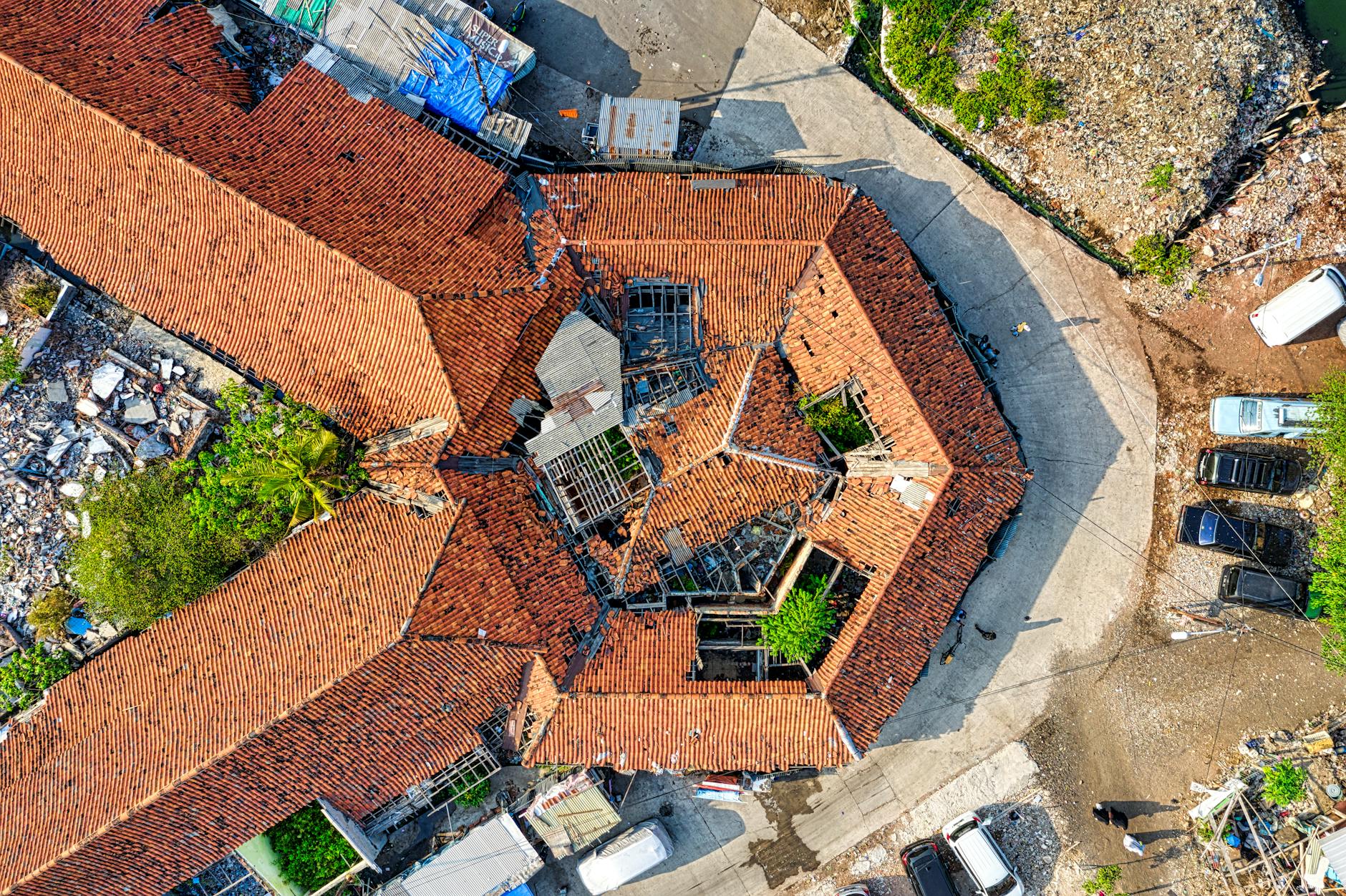
A 7.4-magnitude earthquake struck the Molucca Sea off Indonesia's Ternate island early Thursday at 06:48 local time. The tremor, which occurred at a depth of 35km, resulted in at least one death and several injuries across the region. Authorities quickly issued tsunami warnings for several Pacific nations before withdrawing them two hours later.
Casualties and Local Infrastructure Damage
Indonesia's national news agency Antara reported that a 70-year-old woman in North Sulawesi died after being crushed by falling building debris. Another individual sustained a broken leg after jumping from a building during the shaking. The national geological agency confirmed building damage and injuries approximately one hour after the initial quake.
In Manado, search and rescue teams documented significant destruction at a local sports complex. Footage shows metallic structures bent out of shape and large pieces of furniture flung across the grounds. Hospitals in the area, including Siloam Hospital, were forced to conduct emergency evacuations of patients and staff into makeshift outdoor treatment areas.
Regional Panic and Tsunami Alerts
Residents in Bitung and Ternate described scenes of chaos as the tremors lasted for several seconds. Some citizens fled their homes in panic, while others rushed to evacuate children from schools located near the coastline. Local reports indicate that several stores experienced immediate power outages as the seismic activity peaked.
"It was really strong... My head even felt dizzy," journalist Isvara Safitri told BBC Indonesian, noting that the event felt like the strongest quake in six years.
Seismic Context and Pacific Risk
Indonesia is situated along the Pacific Ring of Fire, a region known for frequent and intense seismic activity. This event prompted the Hawaii-based Pacific Tsunami Warning Center to warn that waves under 0.3m were possible for the coasts of Japan, Malaysia, the Philippines, Taiwan, Papua New Guinea, and Guam. While these waves remained minimal, the scale of the alert underscores the geopolitical vulnerability of Southeast Asian maritime hubs.
Following the main event, the region experienced at least two aftershocks with magnitudes of 5.5 and 5.2. Geological authorities have warned that further aftershocks are likely, which could exacerbate damage to already weakened structures. Residents remain on high alert as recovery efforts begin in North Sulawesi and North Maluku.
Economic and Logistical Implications
Frequent high-magnitude events in this corridor threaten local infrastructure and disrupt regional trade logistics in the Molucca Sea. The immediate need for structural reinforcements in urban centers like Manado highlights a recurring challenge for Indonesian disaster management. Investors and insurers continue to monitor the region for long-term stability in infrastructure development.