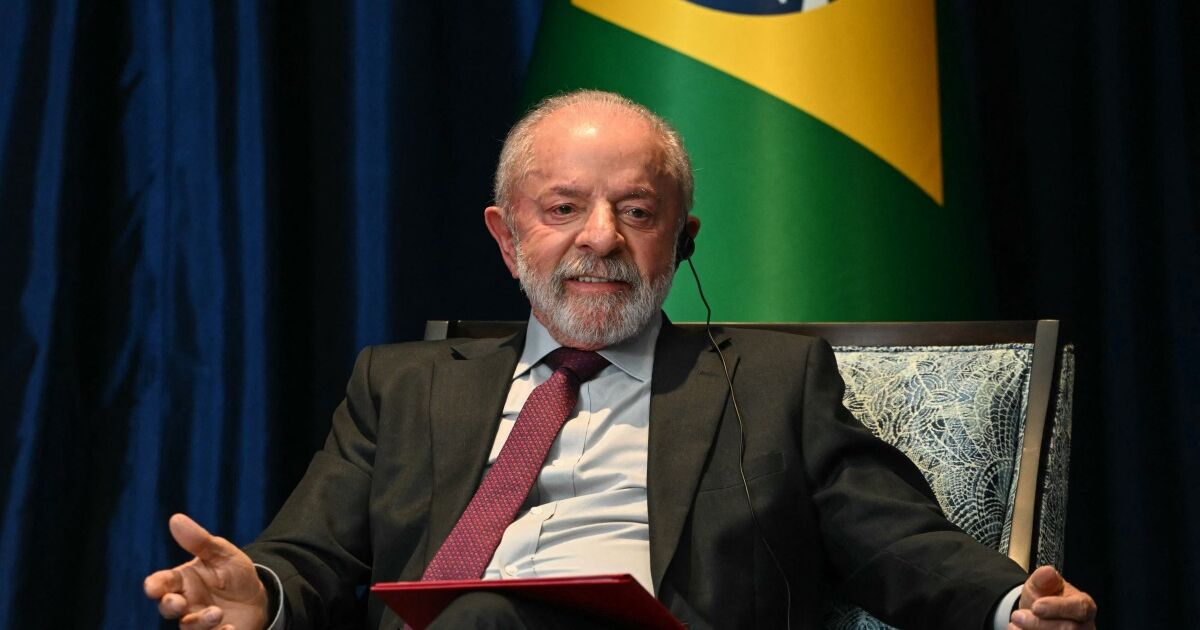
Brazilian President Luiz Inácio Lula da Silva issued a stark warning during a major summit in Bogota this weekend regarding foreign intervention. He stated that foreign powers seek to colonize Latin America once again during a forum between the region and Africa. The speech addressed geopolitical tensions and economic dependencies affecting sovereignty across the continent. Lula emphasized the need for unity among developing nations to resist external pressure from established economic powers.
Lula criticized the United Nations Security Council for its passivity regarding ongoing global conflicts throughout the session. He cited the wars in Ukraine and Gaza as examples where the body failed to protect territorial integrity effectively. This rhetoric aligns with his broader stance against unilateral interventions by superpowers seeking regional dominance. The President slammed the council for allowing lies to justify destruction in multiple theaters without accountability.
The President highlighted recent agreements between the United States and Mexico regarding critical mineral extraction. Washington seeks to diversify its supply chain away from China through partnerships with regional nations seeking investment. These deals underscore the economic stakes Lula referenced in his address to leaders in Bogotá this week. Critics argue such agreements prioritize American security over local economic development and environmental standards.
Brazil possesses the second largest reserves of rare earth elements globally, trailing only China. Lula suggested increasing defense cooperation with countries like South Africa to counter external threats to national security. This strategy aims to protect valuable resources from foreign acquisition by hostile entities seeking control. Defense partnerships are becoming essential for maintaining resource sovereignty in the region against external pressure.
Relations between Lula and US President Donald Trump remain tense throughout the current diplomatic environment. Washington supported the capture of Venezuelan leader Nicolás Maduro on the third of January according to reports. Lula described these actions as undemocratic and contrary to regional stability principles set by international law. The two leaders have exchanged harsh words regarding interventionist policies in South America recently.
The United States has reportedly signed deals with Argentina and Mexico to secure metals needed for modern technology. Lula argued that Washington wants to own the critical minerals present in Latin America rather than partner fairly. This economic pressure forms the core of his anti-colonial narrative during the summit held in Colombia. He warned that access to these resources is vital for future technological independence and national development.
Mexico faces specific challenges balancing trade ties with the United States and regional alliances. The CELAC-Africa summit provides a platform to discuss these shared vulnerabilities among member states. Coordination could strengthen the bloc against external economic coercion from global competitors. Economic partnerships will be tested against political rhetoric moving forward in the coming year. Mexican officials must consider how resource extraction impacts domestic inflation and employment rates.
Future policy shifts will depend on whether Latin American governments can assert their own interests. The summit concluded with calls for stronger internal defense mechanisms against foreign interference. Analysts suggest that mineral rights will be a central issue in upcoming bilateral negotiations. The balance of power remains fluid as global demand for resources continues to rise significantly. Regional leaders will need to define clear strategies to protect national assets in the global market.