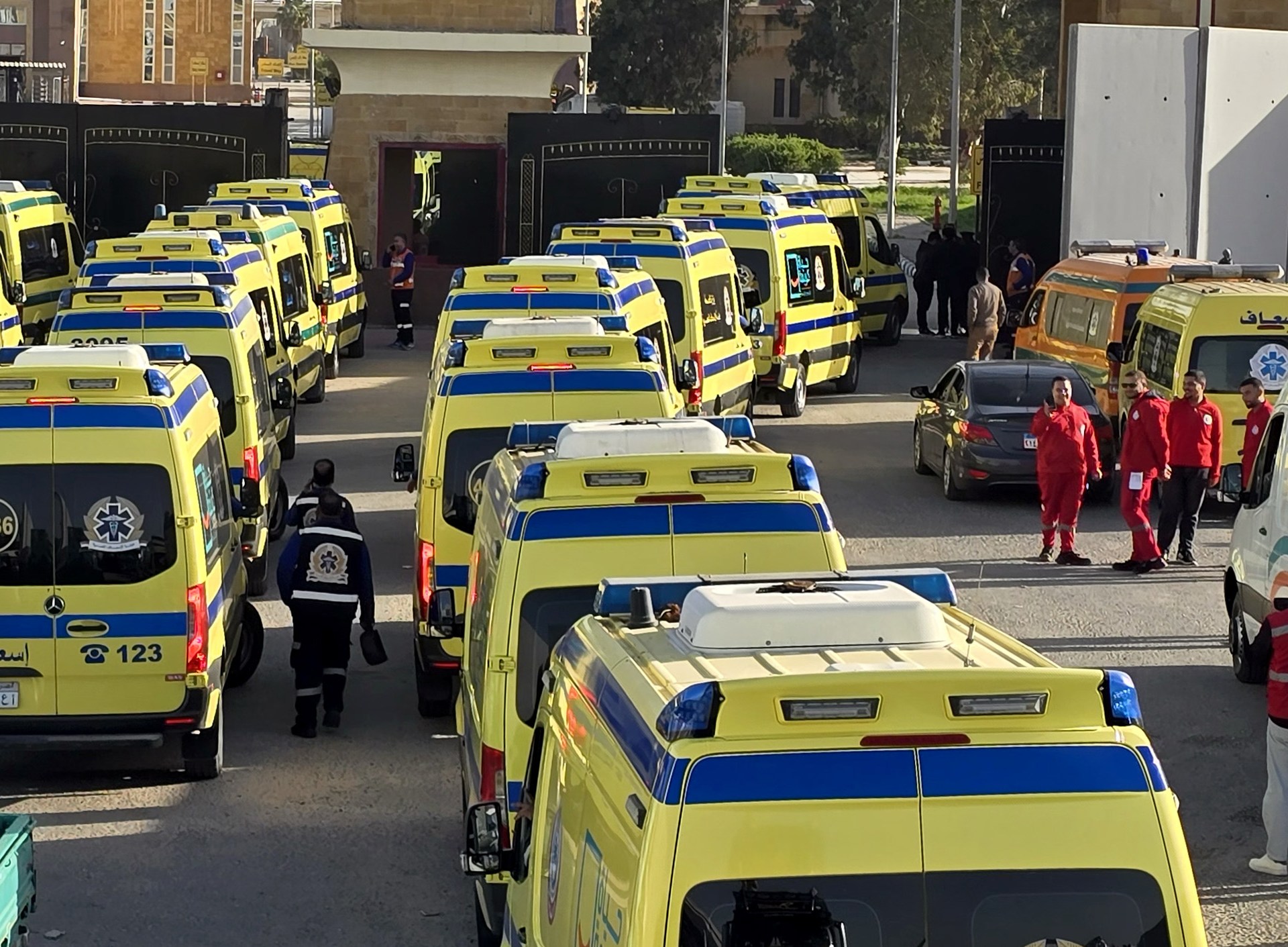
Israel's limited reopening of the Rafah border crossing for medical evacuations is creating a significant bottleneck, potentially condemning thousands of critically ill patients to prolonged suffering, as reported on February second.
Medical personnel warn that the established transit rate, capped at 50 patients per day, is wholly inadequate for the scale of the humanitarian crisis.
Dr. James Smith stated that at the current pace, the estimated 20,000 individuals awaiting urgent departure from Gaza would require more than a year to be evacuated.
This restricted movement directly impacts the timely access to specialized care unavailable within the territory, raising serious concerns regarding international obligations for civilian protection.
Global health organizations are scrutinizing the operational capacity of the crossing under these constraints, noting that logistical delays translate directly into adverse patient outcomes.
The situation underscores the fragility of cross-border humanitarian corridors when subject to narrow daily quotas, affecting vulnerable populations dependent on external medical intervention.
Economic analysts note that sustained instability around key border infrastructure continues to deter international aid coordination efforts necessary for scaling up operations.
Observers suggest that immediate policy adjustments are required to accelerate patient throughput, lest the humanitarian cost of the current scheme escalates significantly in the coming weeks.