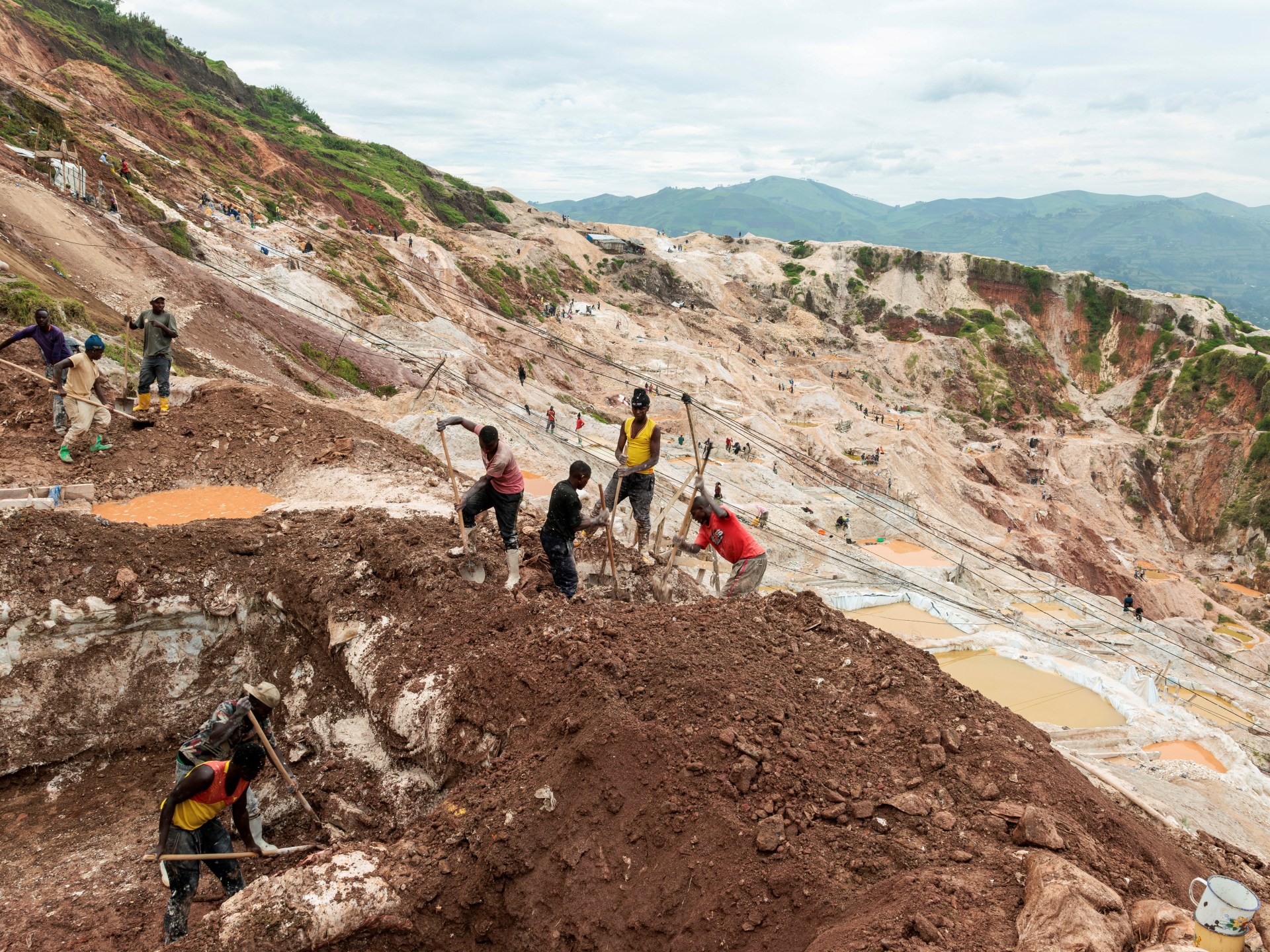
More than 200 people perished in a landslide that struck the Rubaya coltan mine in the eastern Democratic Republic of the Congo (DRC) on Wednesday, according to a spokesperson for the rebel-appointed provincial governor. The incident occurred northwest of Goma, the capital of North Kivu province, after seasonal rains destabilized the ground where artisanal miners were working.
Lumumba Kambere Muyisa, speaking to Reuters, confirmed the high casualty count, stating victims included miners, market women, and children. He noted that approximately 20 injured individuals were receiving treatment at local health facilities following the disaster. Muyisa attributed the collapse directly to the fragility of the soil during the current rainy season.
Eraston Bahati Musanga, the governor installed by the M23 rebel group controlling the region, confirmed that bodies were being recovered from the site. Artisanal miner Franck Bolingo told AFP that many people remained trapped within the mine shafts following the sudden inundation and collapse.
The Rubaya site is globally significant, producing an estimated fifteen percent of the world’s coltan, a strategic mineral crucial for manufacturing electronics such as mobile phones and aerospace components. This mineral wealth makes the region a focal point for ongoing conflict and resource control.
The M23 rebels have controlled Rubaya since 2024, having captured the territory during an aggressive territorial expansion last year. The United Nations has previously accused the Rwanda-backed M23 faction of exploiting the mine’s resources to finance its insurgency against the Kinshasa government.
Despite the DRC’s vast mineral reserves, which include coltan, cobalt, and copper, the majority of the population endures extreme poverty, with over seventy percent living on less than $2.15 daily. This economic disparity underscores the precarious conditions faced by artisanal miners operating in conflict zones.
The incident highlights the severe human cost associated with the informal mining sector in the DRC, often characterized by minimal safety standards and heightened vulnerability to environmental hazards, particularly during intense weather periods.