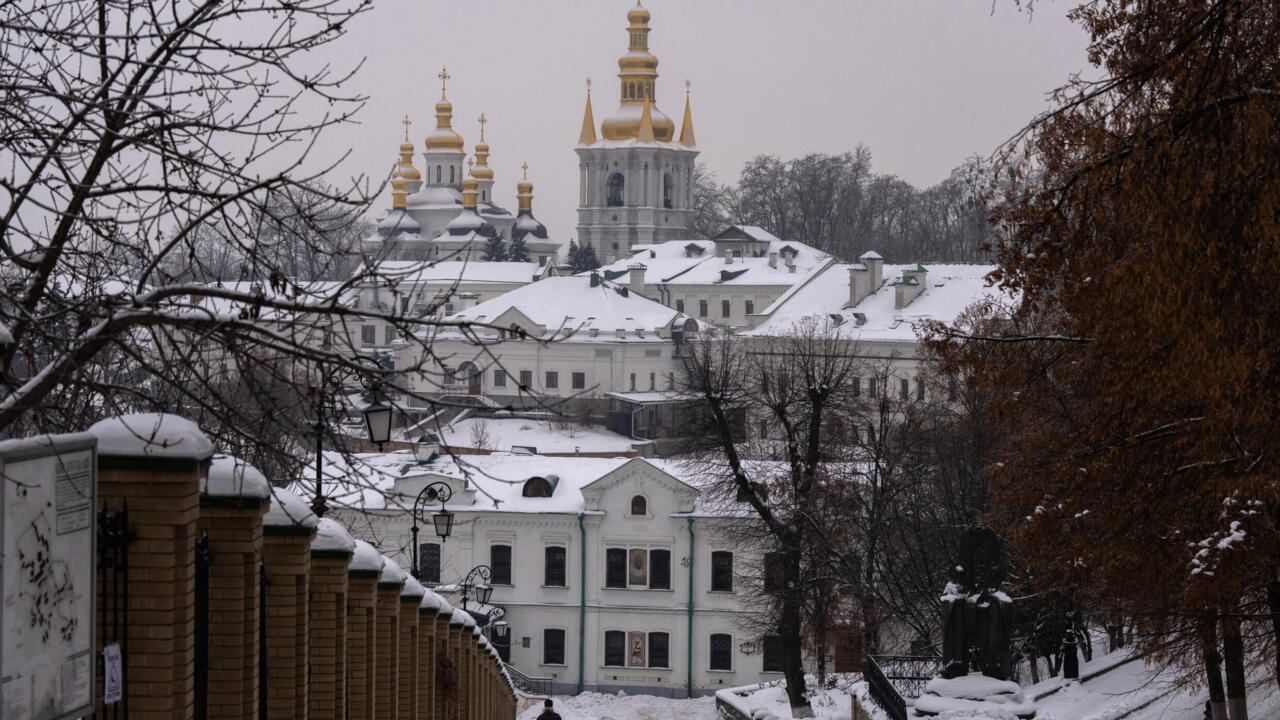
Ukrainian President Volodymyr Zelensky has publicly stated his expectation that Moscow will abide by a negotiated agreement to halt strikes on Kyiv and other urban centers for a period of one week, citing extreme winter weather conditions. This understanding, reportedly reached during recent trilateral discussions in the United Arab Emirates, marks a fragile diplomatic attempt to de-escalate during a period of acute humanitarian stress.
Despite these hopeful pronouncements, regional authorities report continued Russian shelling in central and southern Ukraine, including the Zaporizhzhia and Kherson regions, resulting in civilian fatalities. These attacks underscore the immediate danger facing millions as temperatures plummet, with relentless strikes having already crippled heating and power supplies across the nation.
The development follows statements from former US President Donald Trump, who claimed personal assurance from Vladimir Putin regarding the temporary halt in attacks on urban areas. Zelensky confirmed contact regarding the UAE talks, noting that de-escalation steps are essential for 'real progress' toward concluding the conflict.
Geopolitically significant is Ukraine's engagement with SpaceX regarding allegations that Russian forces are employing Starlink satellite connectivity to guide advanced strike drones deep into Ukrainian territory. Kyiv's Defence Minister confirmed prompt contact with SpaceX leadership to resolve the issue, highlighting the evolving technological dimensions of the conflict.
Meanwhile, diplomatic efforts remain fraught. The Kremlin has reiterated its invitation for President Zelensky to visit Moscow for peace negotiations, an offer Kyiv has historically rejected unless Russia ceases hostilities. Unnamed US officials suggested that both leaders were 'very close' to scheduling a meeting following the Abu Dhabi talks, though fundamental differences in negotiating positions persist.
Further complicating the environment, Lukoil, a major Russian energy entity, announced the divestment of its foreign assets to the US investment firm, The Carlyle Group, signaling shifts within Russian corporate structure amid international sanctions. This corporate maneuver occurs while European leaders, such as EU top diplomat Kaja Kallas, warn of an impending 'humanitarian catastrophe' due to the deliberate targeting of energy grids.
In a related security measure, Germany is moving to bolster protection for its critical national infrastructure against potential sabotage, reflecting broader European unease regarding escalating tensions with Moscow. These security concerns are set against a backdrop of ongoing prisoner exchanges, with Ukraine receiving over 1,000 remains of its fallen soldiers from Russia.
As Ukraine braces for forecast sub-zero temperatures, reaching as low as minus 30C in some regions between February 1 and 3, the adherence to the temporary truce will be rigorously tested. The successful implementation of this short-term halt is viewed by Kyiv as a crucial barometer for potential broader stabilization efforts. (Source analysis based on reports from France 24 and associated international wire services.)