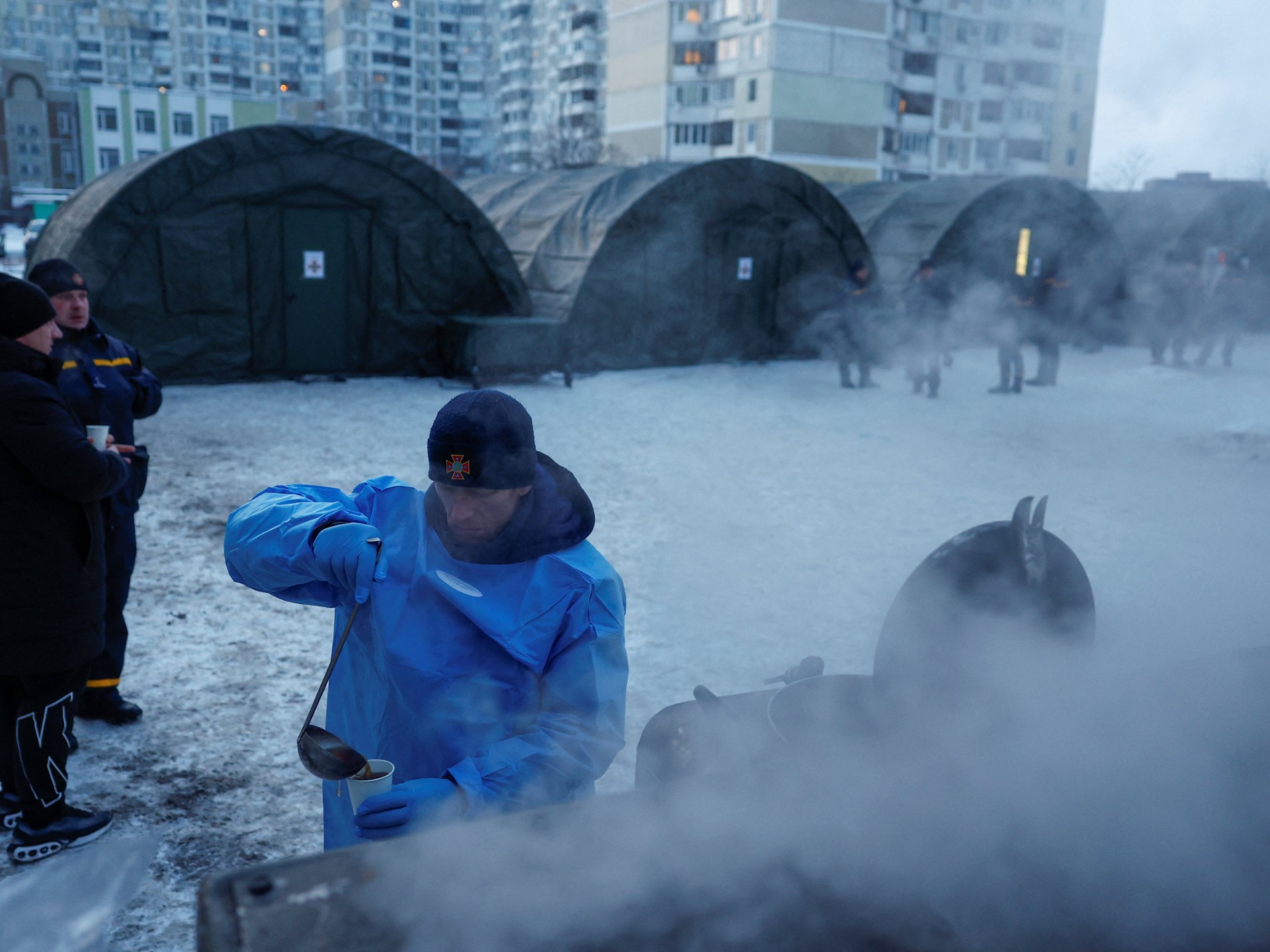
Ukrainian President Volodymyr Zelenskyy stated on Thursday that Kyiv anticipates Russia will honor a one-week agreement to halt missile strikes on the capital and surrounding areas, citing extreme winter conditions. This expectation follows direct communication between Washington and Moscow regarding the severe cold affecting the region. Zelenskyy noted that his team discussed the parameters of this potential truce with counterparts in the United Arab Emirates.
US President Donald Trump earlier announced that he had personally requested Russian President Vladimir Putin agree to the temporary cessation of hostilities. Trump cited the "extraordinary cold" as the primary justification for seeking the pause during a cabinet meeting. This diplomatic intervention marks a significant, albeit temporary, application of direct US influence on frontline operational decisions.
Kyiv views the implementation of such a ceasefire as a positive indicator for ongoing conflict de-escalation efforts. Zelenskyy further asserted on social media that such steps are conducive to making tangible progress toward a final resolution of the war. The focus remains heavily concentrated on the capital region during this anticipated lull.
Geopolitically, the implementation of this unilateral pause, if confirmed, suggests an opening for backchannel diplomacy facilitated by third parties like the UAE. Such temporary humanitarian pauses often serve as stress tests for underlying political willingness to negotiate on broader terms. The economic impact of a temporary halt to strikes near major infrastructure hubs like Kyiv would be immediate.
Data from independent monitoring groups indicated an escalation in long-range strikes prior to this announcement, underscoring the severity of the weather-related motivation for the pause. The duration, limited to seven days, suggests the agreement is tactical rather than strategic in nature. Observers will monitor whether the pause extends beyond the initial commitment.
For global energy markets and agricultural supply chains dependent on Black Sea stability, even a brief halt in hostilities provides limited, short-term relief from risk premiums. However, market analysts caution that underlying geopolitical tensions remain fully entrenched despite the localized truce.
The coming week will test the reliability of assurances given directly between the US and Russian leadership outside established negotiation frameworks. Attention will shift to whether technical military coordination accompanies the political commitment to ensure adherence by field commanders.