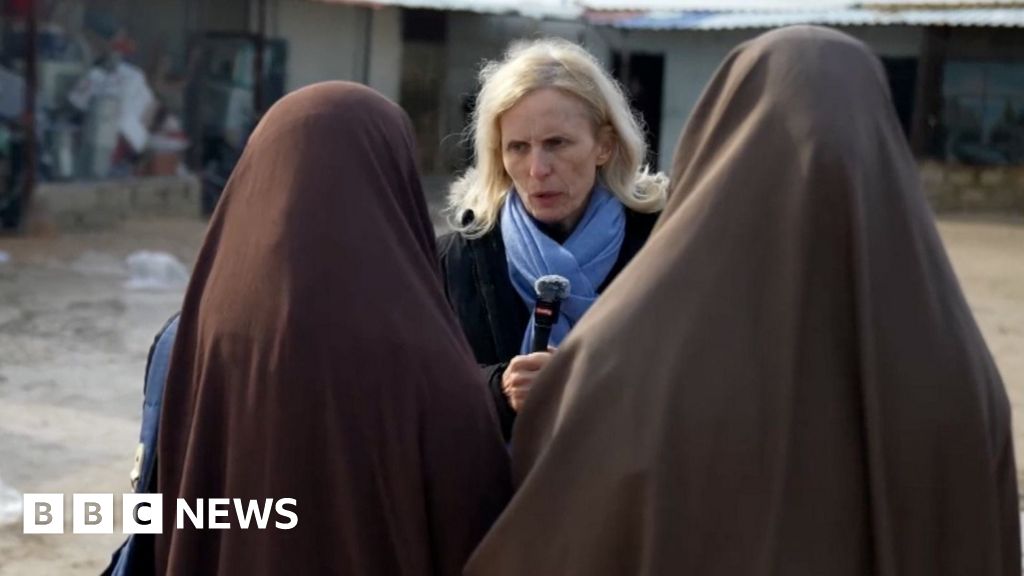
Kurdish authorities in northeast Syria currently detain approximately 34,000 family members of suspected Islamic State fighters in camps, alongside 8,000 alleged combatants. This detention infrastructure faces heightened risk as the central government in Damascus asserts its ambition to regain control over the autonomous Kurdish region. The BBC reported on conditions within Roj camp, situated near the Turkish and Iraqi borders, highlighting the precarious status of these detainees.
Recent military movements indicate a significant geopolitical recalibration in the area. Government troops have reportedly pushed back the Syrian Democratic Forces (SDF) from resource-rich zones held for a decade since the defeat of IS. This territorial contestation introduces severe uncertainty regarding the future governance and security protocols of the detention camps.
The primary concern revolves around the potential for security deterioration should the region become an active battleground between competing factions. The question of whether the camp gates will remain secured under escalating conflict conditions is paramount for international observers. Such a breakdown could trigger large-scale humanitarian crises and immediate security threats across borders.
While the original report from the BBC focused on the visit to Roj camp, the broader context involves the complex web of international actors and local governance structures in post-conflict Syria. The fate of these detainees remains tied to the success or failure of Kurdish-led administration in maintaining territorial integrity against Damascus's centralizing efforts.
This localized security crisis is a direct consequence of the collapse of the so-called Islamic State's territorial caliphate years prior. The detainees represent a lingering security liability that the current governing structures struggle to manage amid shifting military alignments. International bodies are observing the situation closely for signs of potential mass displacement or security breaches.
Broader regional dynamics, including the involvement of Turkey and Iraq near the camp locations, complicate any negotiated resolution or sustained security guarantee. The unresolved status of these camps acts as a continuing pressure point on the fragile political settlement in northern Syria.
The coming weeks will likely clarify the extent of Damascus's control and the resilience of the SDF in defending the areas surrounding these sensitive detention sites. The outcome will determine the immediate security environment for thousands of vulnerable individuals held indefinitely.