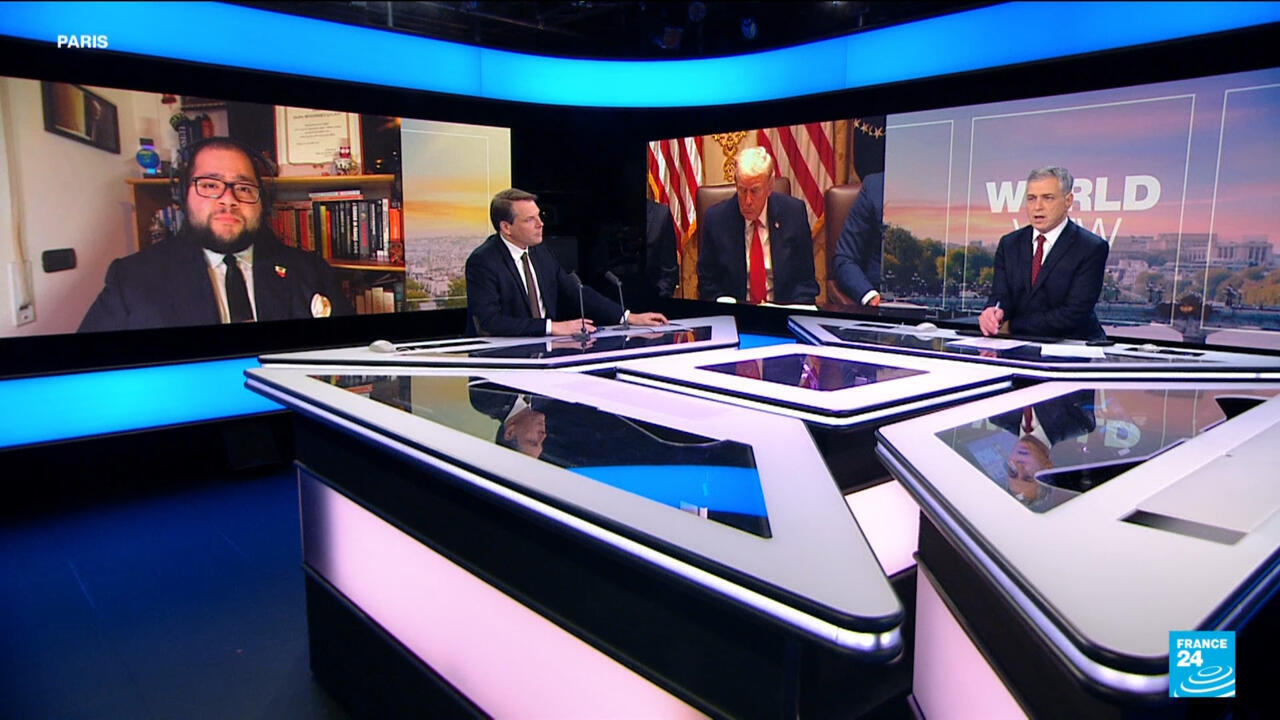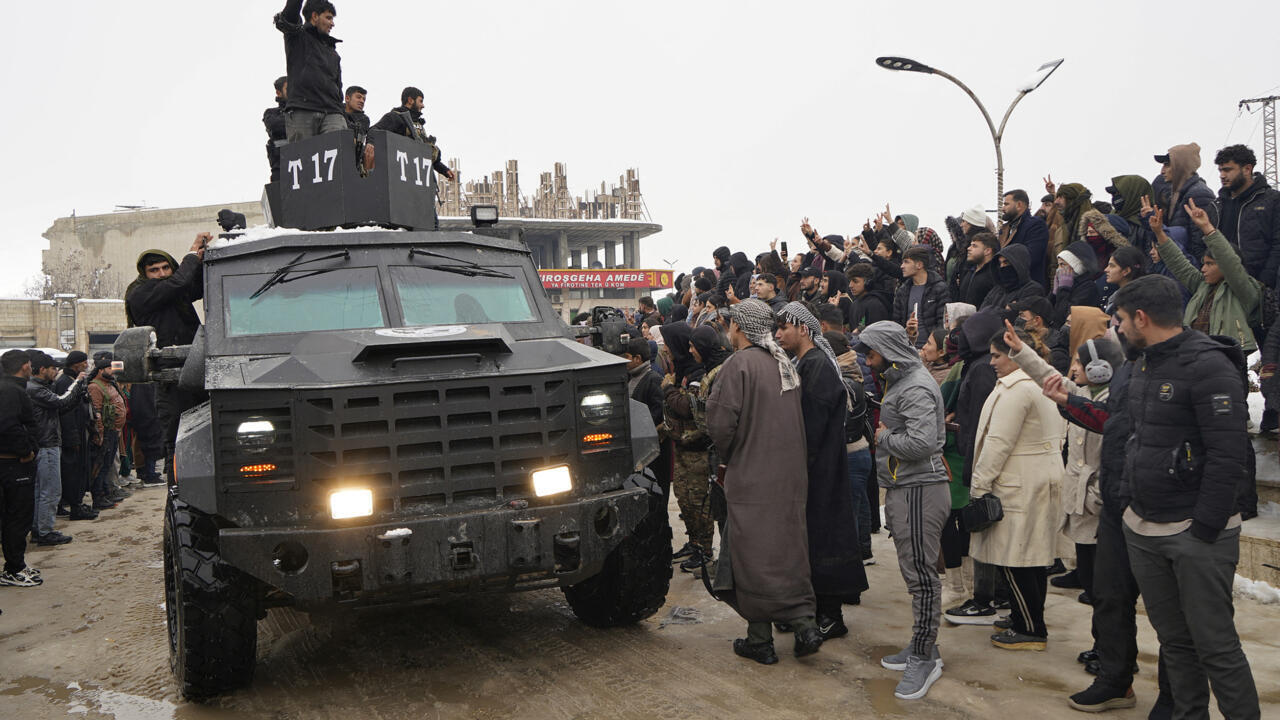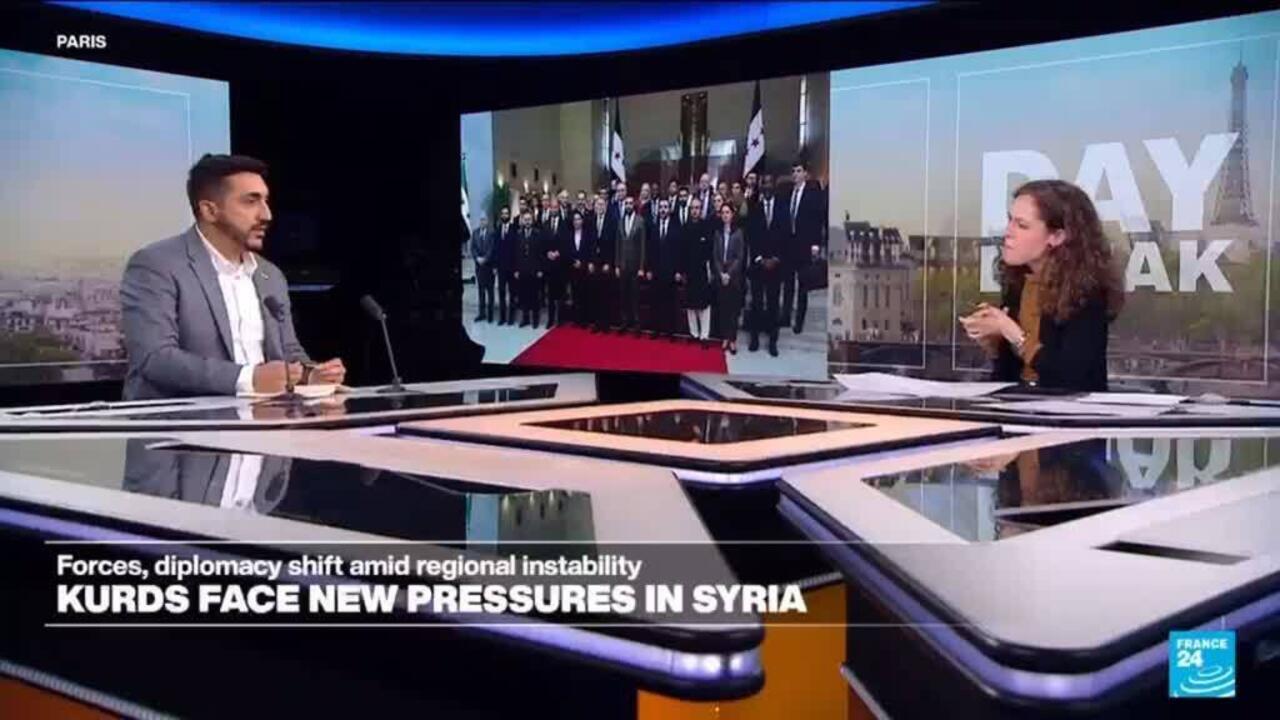
Kurdish analyst and humanitarian activist Arya Jemo recently articulated a strong sense of abandonment felt by local populations amid the protracted Syrian conflict, as reported by France 24. Jemo specifically cited the critical siege conditions in Kobani, which reportedly lacks basic necessities such as water and electricity. This observation frames the current situation as a failure of international protective mechanisms.
Jemo situated the Kurdish community’s plight within a historical context marked by recurrent struggles against central authorities and a pervasive fear of extremist dominance. The analyst suggested that the current political outcome reflects a systemic breakdown in regional governance structures. This perspective frames the conflict not merely as civil war but as a prolonged struggle for minority self-determination.
According to Jemo, several key minority groups share a unified stance of non-confidence in the ruling elements currently dictating terms in Syria. This alignment reportedly includes the Druze, Alawite, Christian, and Kurdish populations. Such a broad consensus of distrust signals deep fissures within Syrian society that external actors have failed to bridge.
The analyst implied that fifteen years of conflict have potentially culminated in a political environment where non-state actors with extremist affiliations gain undue influence. While the source article references a hypothetical outcome concerning an Al-Qaeda leader, the core message centers on the vacuum of legitimate governance.
From an economic standpoint, the ongoing instability and lack of international intervention jeopardize reconstruction and energy security in northern Syria. Continuous conflict impedes vital infrastructure projects necessary for regional economic stabilization, impacting cross-border trade routes.
Geopolitically, the perceived abandonment of Kurdish-aligned areas by Western partners raises questions about long-term security guarantees in the broader Middle East. This dynamic could encourage regional powers to fill the resulting security void, potentially escalating proxy tensions.
Jemo’s commentary serves as a critical assessment of diplomatic efforts, suggesting that sustained humanitarian crises often precede significant geopolitical realignments. International organizations face renewed scrutiny over their efficacy in managing protracted conflicts where local trust in external guarantees is eroded.