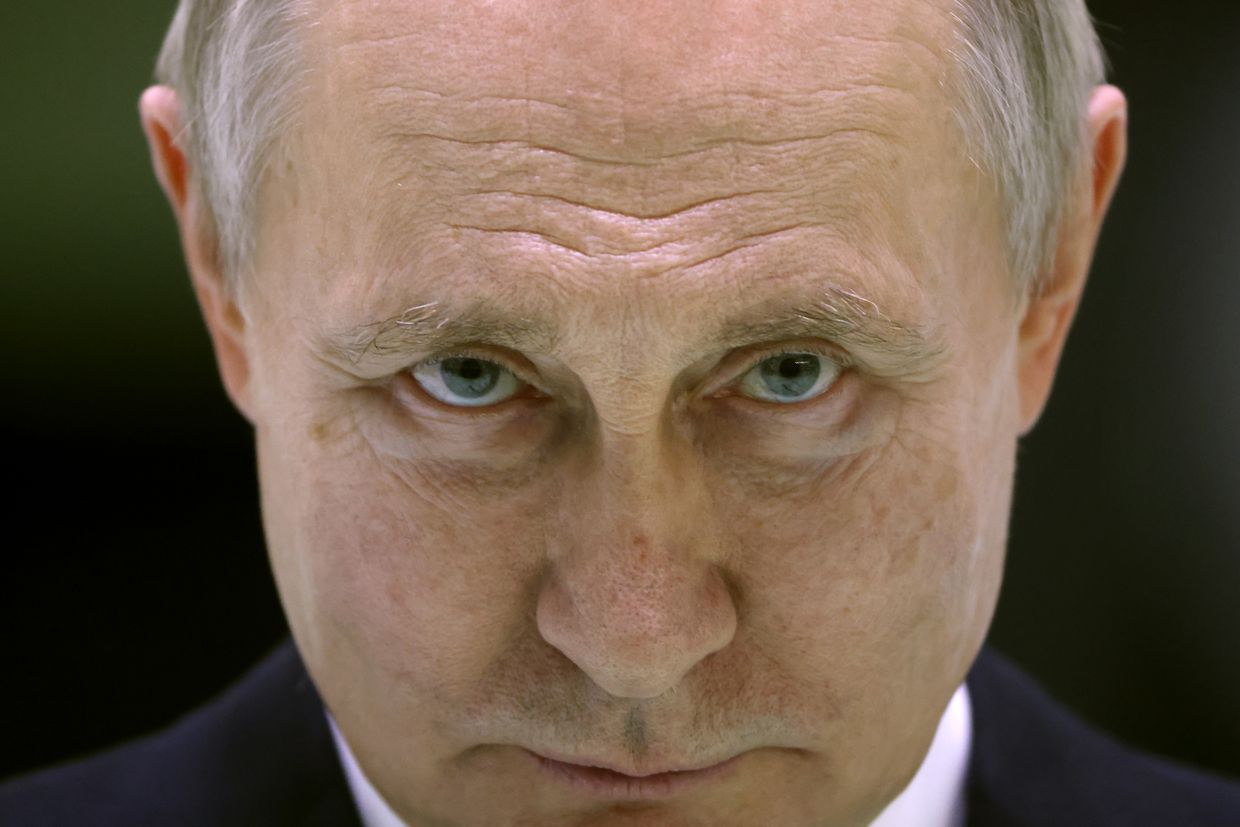
The Kremlin stated on January thirtieth that the United States only requested Russia refrain from military action against Kyiv until February first, a claim detailed by spokesperson Dmitri Peskov. This statement appeared to narrow the scope of a supposed agreement previously referenced by former U.S. President Donald Trump, who asserted President Vladimir Putin agreed to a week-long pause impacting Kyiv and other Ukrainian population centers.
Trump had publicly claimed he personally asked Putin to halt strikes for a week to foster favorable conditions for negotiations, citing extremely cold weather conditions across Ukraine. Peskov’s clarification suggested the proposal was narrowly confined to the capital city for a shorter duration, creating immediate ambiguity about the actual diplomatic understanding, according to reports.
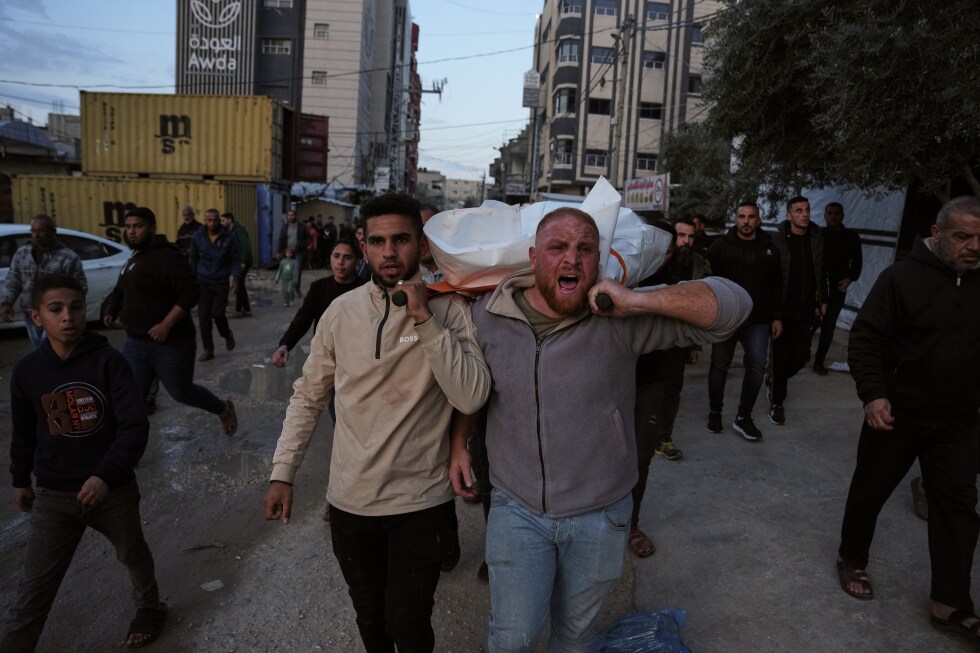
This diplomatic uncertainty coincided with continued Russian aerial activity; Russia launched over one hundred drones and a ballistic missile overnight on January thirtieth, following mass strikes targeting energy infrastructure in Odesa days prior. Ukrainian authorities reported six civilian fatalities nationwide from air attacks that same night, underscoring the operational tempo despite the alleged de-escalation signals.
Ukrainian President Volodymyr Zelensky later indicated that the countdown for a proposed American-backed pause on energy sector strikes might have only commenced that night, suggesting a different starting point than implied by earlier announcements. Zelensky noted that while there was no formal agreement, he viewed the possibility of a pause as an opportunity, contingent on Russia refraining from attacking Ukraine’s energy infrastructure.
Zelensky further stipulated a reciprocal stance, stating that if Moscow refrains from attacking Ukrainian energy assets, Kyiv would similarly avoid striking Russian energy infrastructure. He thanked Trump for making what he termed an "important statement" regarding winter security for Ukrainian cities during the severe cold snap.
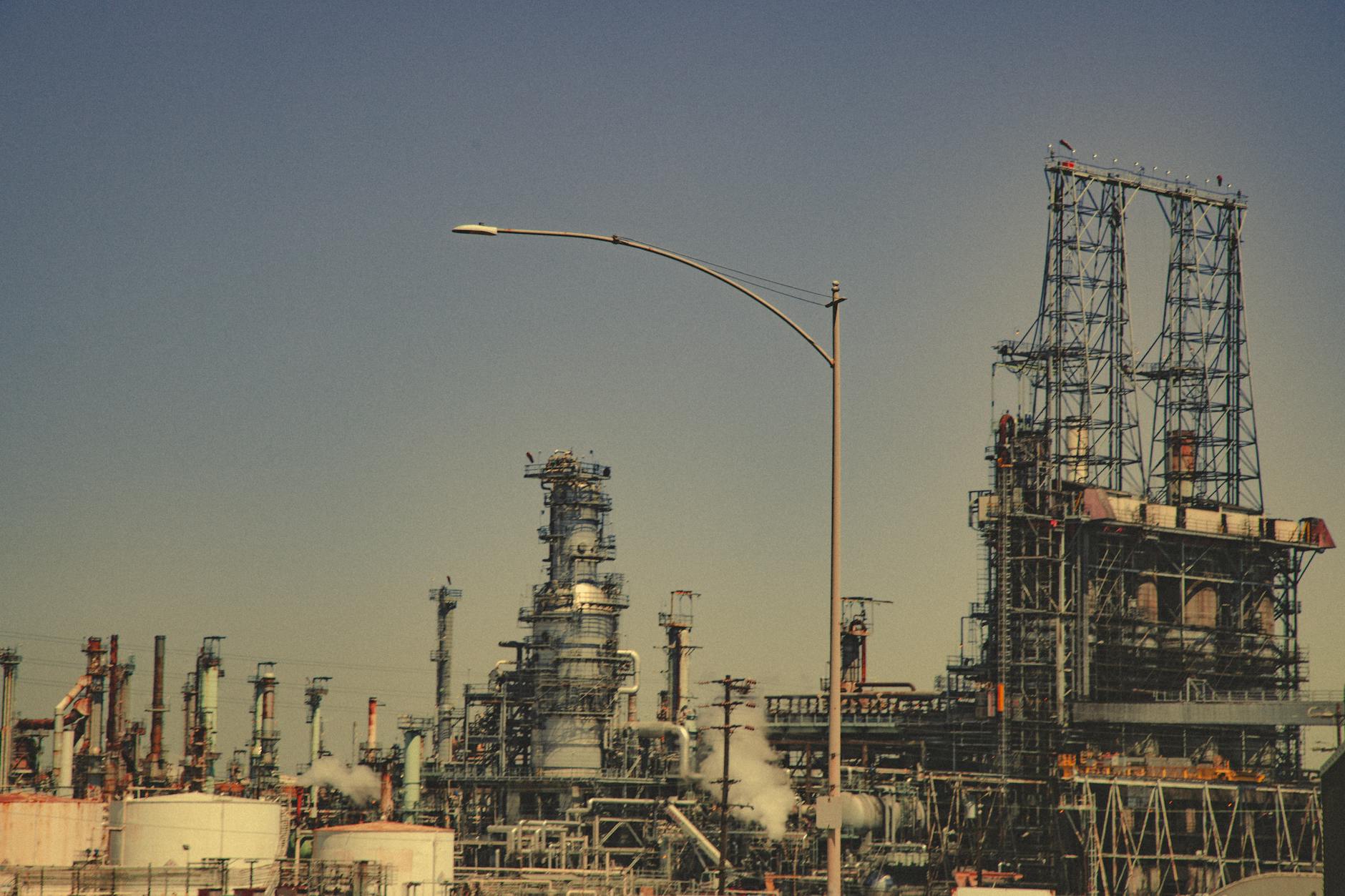
Reports suggest that a pause contingent on Ukraine not attacking Russian oil refineries was discussed during recent trilateral talks involving U.S., Ukrainian, and Russian officials in the United Arab Emirates. While no official announcement followed those meetings, preparations were reportedly underway for further discussions scheduled for February first.
These conflicting narratives emerge as Ukrainian energy and repair workers struggle to restore services following devastating Russian strikes on January ninth, twentieth, and twenty-fourth, which severely impacted heating and water supplies during sub-zero temperatures. Residential buildings across several regions remained without adequate heating as of January thirtieth, according to Kyiv Mayor Vitali Klitschko.