The Kremlin announced a strategic pause in offensive operations targeting Kyiv and surrounding localities, effective immediately through February 1, according to reports from January 30. This decision follows direct communication between Russian leadership and US President Donald Trump concerning the severe winter conditions gripping Ukraine.
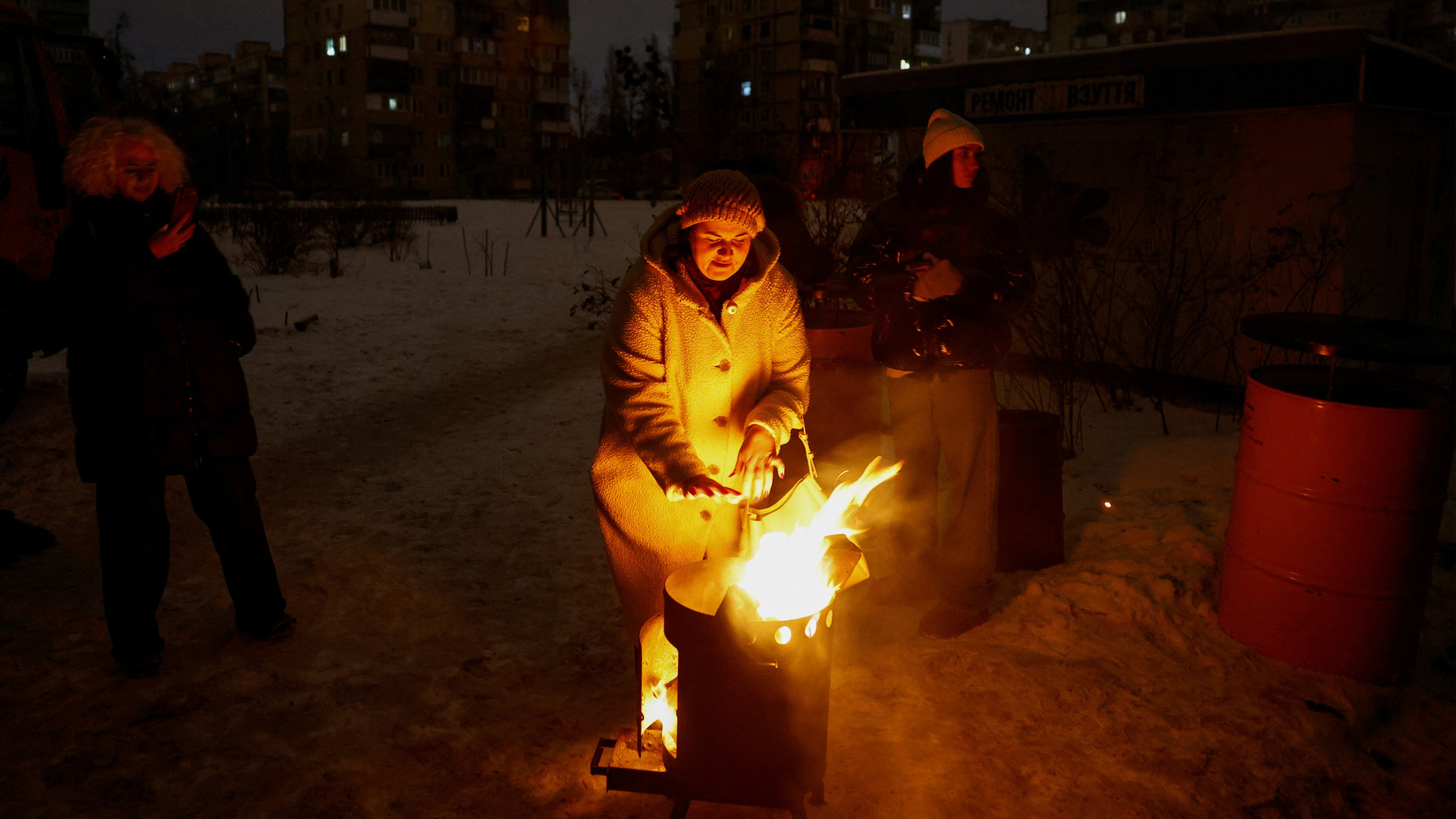
The reported agreement directly addresses the humanitarian crisis unfolding due to extreme cold, which has left significant portions of the Ukrainian population without access to essential heating infrastructure. Russian strikes in recent weeks have severely degraded the energy grid, according to official Ukrainian statements.
Sources familiar with the diplomatic exchange indicated that President Trump emphasized the necessity of a humanitarian corridor and protection for civilians amid sub-zero temperatures. The pause offers a brief window for repair efforts, though the duration remains limited to the start of February.
This development introduces a temporary de-escalation in a critical sector of the conflict zone, potentially signaling a minor diplomatic opening or a calculated tactical respite. Global energy markets will monitor whether this temporary halt extends beyond the agreed timeframe, particularly given existing supply chain vulnerabilities.
Economic analysts suggest that continued degradation of energy assets poses a long-term risk to Ukraine's industrial capacity and future reconstruction financing. The immediate impact centers on stabilizing the civilian population before the next expected phase of military activity.
International organizations, including the UN Office for the Coordination of Humanitarian Affairs, have documented the critical need for sustained access to energy and medical supplies in the affected oblasts. The efficacy of this agreement will depend heavily on mutual adherence to the stipulated timeframe.