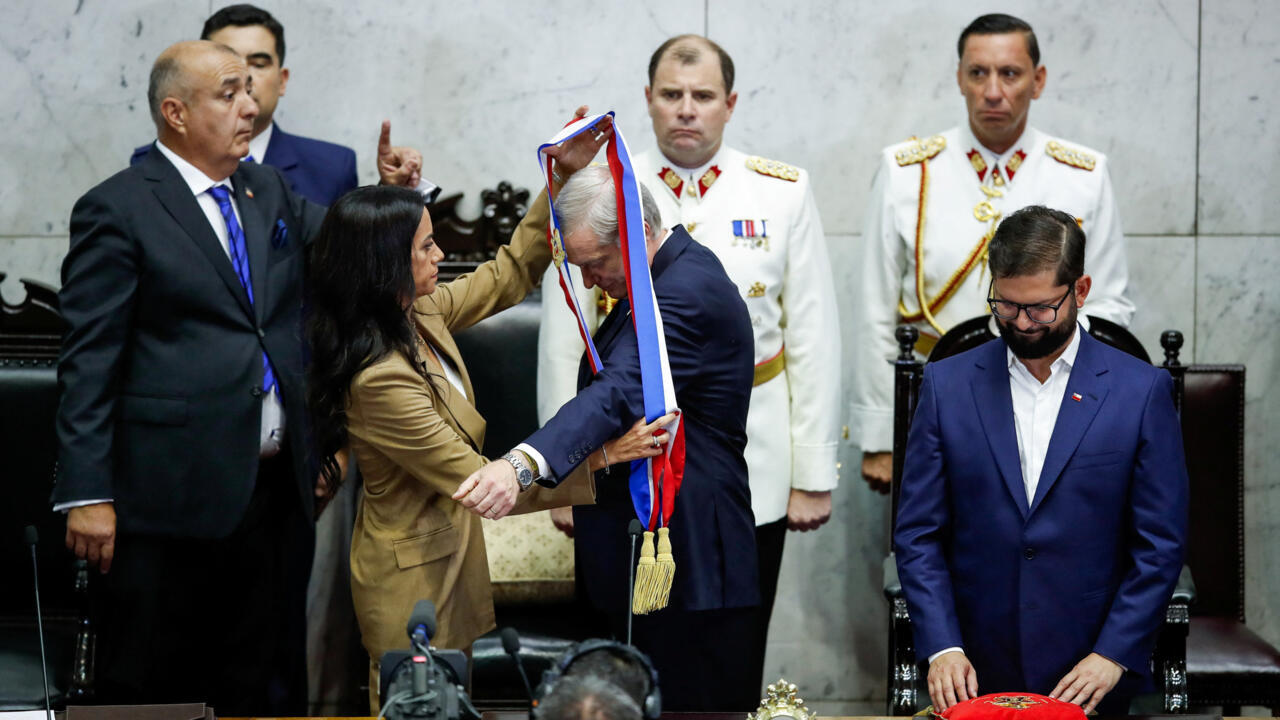
José Antonio Kast officially assumed the presidency of Chile on March 11, 2026, marking a definitive shift in the nation's political trajectory.
The ultraright candidate began his term with a pledge to establish a government of emergency focused on public security and economic reactivation.
His inauguration concludes a cycle of moderate governance that has defined Chilean politics since the restoration of democracy in 1990.
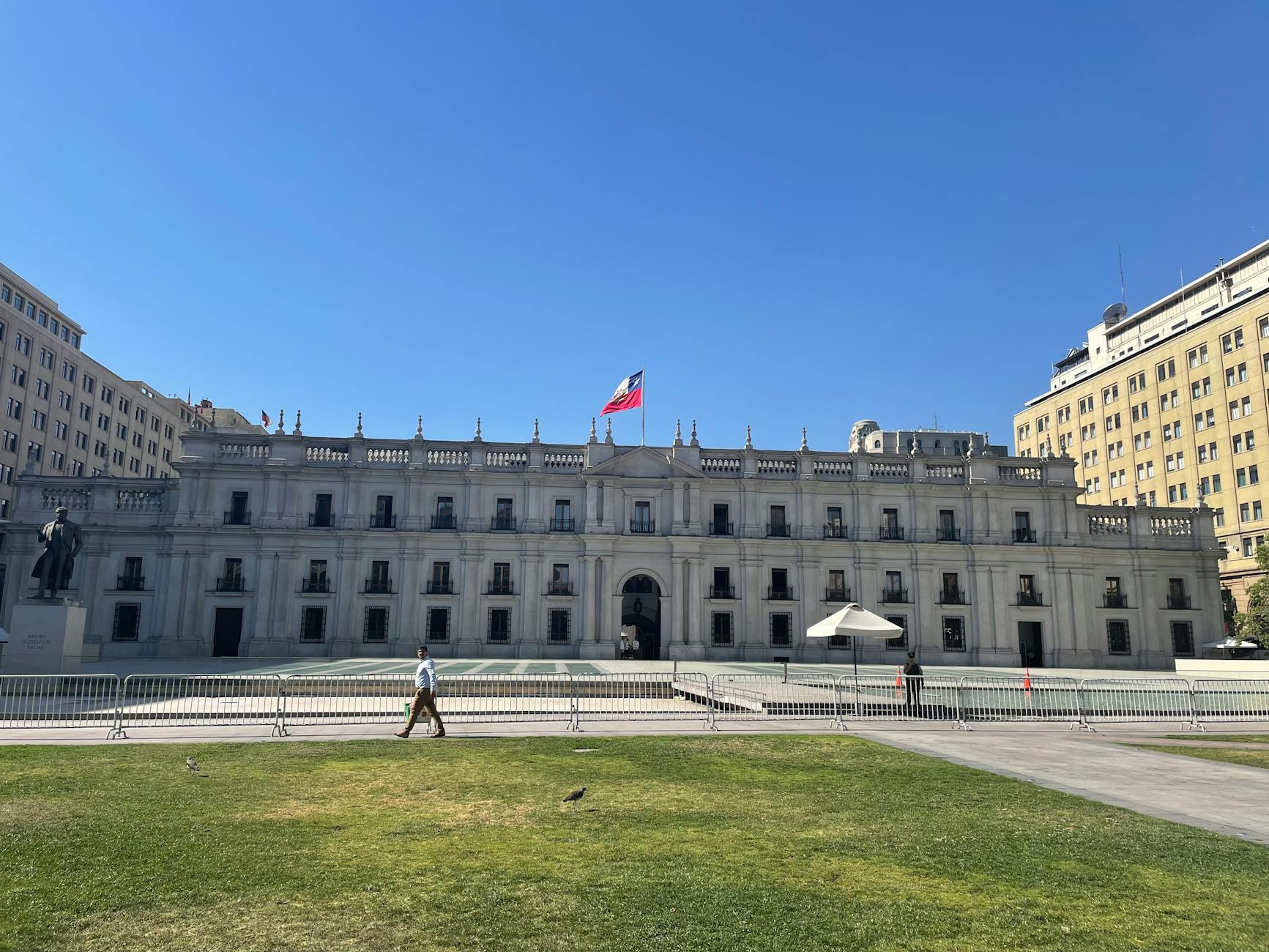
The formal ceremony took place at the National Congress, attended by dignitaries from across the political spectrum.
Kast’s administration immediately prioritized stricter border controls and a hardline approach to crime as central tenets of his platform.
Analysts note this represents a significant departure from the consensus-driven policies favored by previous center-right and center-left administrations.
The new president stated that restoring order requires decisive action beyond the capacity of existing legislative frameworks.
Specific regions along the northern frontier will see increased military presence to monitor cross-border movement.
Economic markets reacted cautiously to the announcement, particularly regarding the proposed fiscal adjustments and regulatory changes.
Investors are monitoring whether the administration will maintain Chile’s traditional openness to foreign trade while implementing protectionist measures.
Sources close to the executive branch reportedly indicated that economic stability remains a priority alongside social security initiatives.
Copper prices and currency fluctuations remain key indicators for foreign stakeholders tracking the new regime.
This political transition challenges the institutional norms established during the post-dictatorship era under Augusto Pinochet.
For over three decades, power alternated between political blocs operating within a relatively stable constitutional framework.
The current shift raises questions about the resilience of democratic institutions under a more polarized leadership style.
Legal experts warn that constitutional checks may be tested by the proposed emergency decrees.
Marta Lagos, founder of Latinobarómetro, commented on the potential societal impact of these policy shifts during a recent analysis.
She noted that voter dissatisfaction with public services drove the electorate toward candidates promising immediate results.
Her organization’s data suggests a significant realignment in Latin American voting patterns favoring security-focused platforms.
Polling methodology indicates this trend could persist through the mid-2020s decade.
Andrés Bórquez from the University of Chile’s Institute of International Studies highlighted the geopolitical implications for the region.
He explained that Chile’s foreign policy could pivot significantly regarding relations with China and regional alliances.
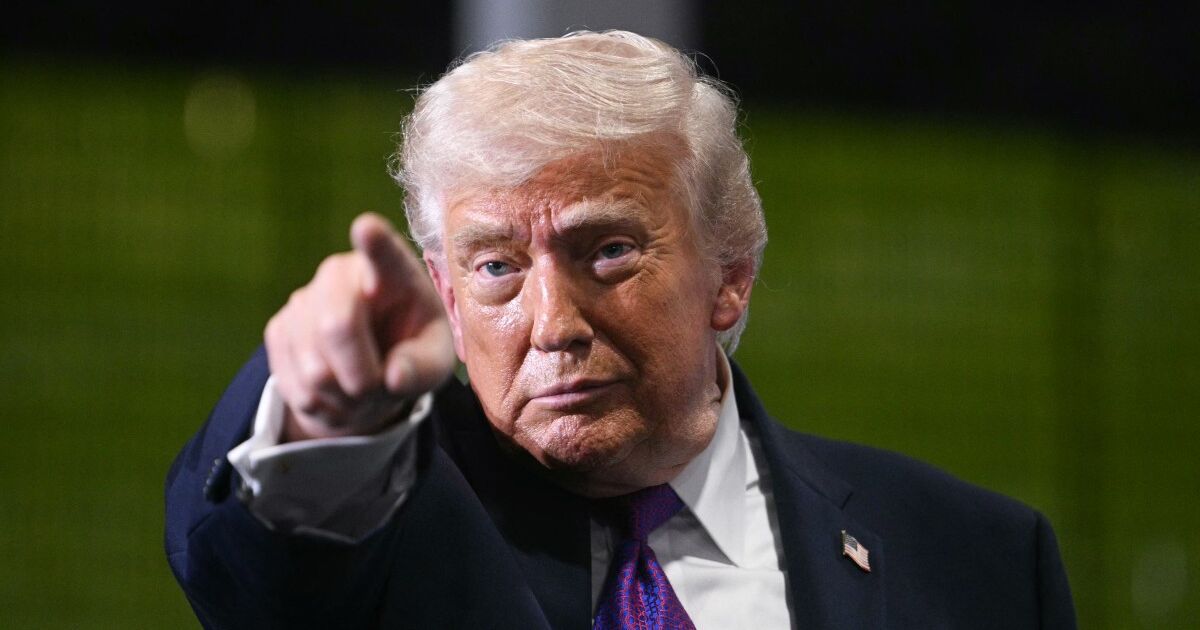
The administration’s stance on the proposed American security shield remains a key variable for diplomatic observers.
Trade agreements signed in previous administrations face potential renegotiation under the new mandate.
Regional security cooperation faces uncertainty as the new government evaluates partnerships with the United States on narcotics trafficking.
The concept of an Americas Shield, championed by US leadership, may see different implementation strategies under Santiago.
Officials in neighboring countries are awaiting clarification on joint enforcement protocols.
Intelligence sharing mechanisms will likely undergo restructuring to align with new security priorities.
Domestic opposition leaders have expressed concern over the potential erosion of civil liberties within the proposed emergency measures.
Legislative bodies will need to negotiate the scope of executive powers granted during this transitional period.
The balance between security and rights will likely define the first year of the Kast presidency.
Judicial oversight committees may face increased pressure to review executive actions.
International observers will watch closely how the administration manages the relationship with major trade partners like the European Union.
Economic performance will serve as the ultimate metric for the government’s success in the eyes of the public.
Market volatility could intensify if fiscal discipline fails to materialize alongside security promises.
Financial institutions are adjusting portfolios based on potential inflationary pressures from new spending.
The coming months will determine whether the new political model can sustain growth while addressing deep-seated social inequalities.
Political analysts suggest that the next legislative elections will test the durability of Kast’s electoral coalition.
The world watches to see if Chile remains a stable beacon in Latin America or enters a new era of volatility.
Future policy reviews will assess the long-term viability of the emergency governance structure.