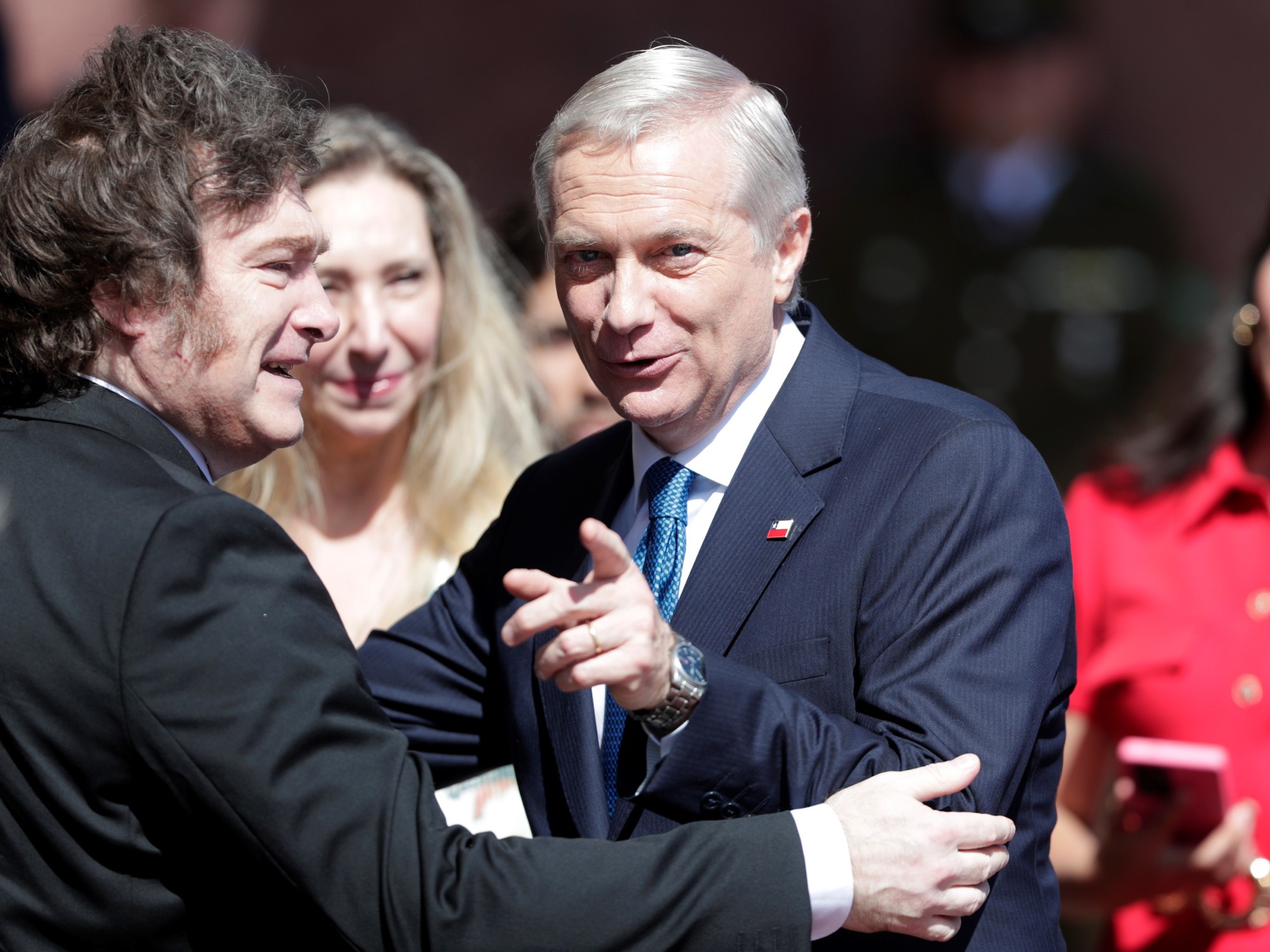
Jose Antonio Kast assumed the presidency of Chile on Wednesday during a solemn ceremony in the coastal city of Valparaíso. The event marked a significant political transition as the conservative leader succeeded the progressive Gabriel Boric after a contentious election cycle. Kast entered office with a clear mandate to prioritize national security and implement strict migration controls for the nation. This transfer of power reflects a decisive shift in the country's political direction.
Paulina Nuñez, the new president of the Upper House, placed the presidential sash and the O'Higgins Medal upon the leader during the formal event. A dozen heads of state and government attended the inauguration, including King Felipe VI of Spain and Argentine President Javier Milei. Several key international figures were notably absent, including US Secretary of State Marco Rubio and Salvadoran President Nayib Bukele. The ceremony proceeded despite these diplomatic absences and logistical challenges.
Kast campaigned on a promise to establish an emergency government focused on combating rising criminality across the nation. He pledged to deport nearly 340,000 irregular migrants, a figure largely composed of Venezuelan nationals seeking legal residence. The initiative addresses public perception that Chile is increasingly plagued by disorder and insecurity among citizens. Crime rates have been a central topic in recent polling data and voter surveys.
In a rare political move, Kast submitted a letter resigning from the Republican Party he founded in 2019 to the electoral authority. This action mirrors precedents set by former leaders Patricio Aylwin and Sebastián Piñera to signal national unity. The Servicio Electoral confirmed the resignation, ending seven years of formal party militancy for the new commander. It suggests a desire to govern beyond partisan lines and unite the populace.
Kast maintains traditional conservative positions on social issues, including firm opposition to abortion and euthanasia legislation. He has spent three decades in politics without the flamboyant style of figures like Jair Bolsonaro or Javier Milei. Robert Funk, a political science professor at the University of Chile, described him as less charismatic than regional counterparts. His legislative record focuses on social order and family values rather than economic reform.
The election occurred amidst a broader conservative wave across Latin America following Donald Trump's recent electoral victory. This political shift suggests a regional move toward security-focused policies and skepticism of progressive social agendas. Kast's victory signals a potential realignment in how South American nations approach domestic stability and order. Voter fatigue with progressive reforms contributed to this outcome significantly.
Geopolitical tensions emerged regarding a proposed Chinese fiber optic cable connecting Hong Kong to Valparaíso for internet infrastructure. The United States views the infrastructure project with suspicion, creating friction between Washington and Santiago over strategic assets. Both administrations agreed to set aside these disputes during the handover to maintain diplomatic decorum. Technology sovereignty remains a key concern for allies in the region.
Outgoing President Boric and Kast agreed to resume conversations on economic and foreign policy matters immediately. They acknowledged the need to address bilateral issues without allowing them to overshadow the ceremonial transition of power. This cooperation aims to stabilize relations before new policy implementations begin in earnest next month. Continuity in governance was a priority for both sides during negotiations.
The new administration faces the challenge of balancing security mandates with economic stability and foreign investment flows. Critics question the feasibility of the deportation plan and its potential impact on the local labor market dynamics. Investors will closely monitor how these policies affect Chile's standing in global markets and trade agreements. Economic indicators will dictate policy adjustments soon for the government.
Observers will watch whether the government can deliver on promises without exacerbating social tensions within communities. The success of these measures will determine the longevity of the conservative shift in the region. Regional stability now depends heavily on the execution of Kast's stated economic and security priorities. Future elections will serve as a referendum on these efforts and outcomes.